Introduction
Falls among seniors are a significant concern globally, leading to serious injuries and even fatalities. In first-world countries like the United States, Canada, and the United Kingdom, safety tips have been put in place to address this issue. This article provides practical tips on how to make homes safer for seniors, enhancing their quality of life and ensuring their well-being.
1. Remove Tripping Hazards
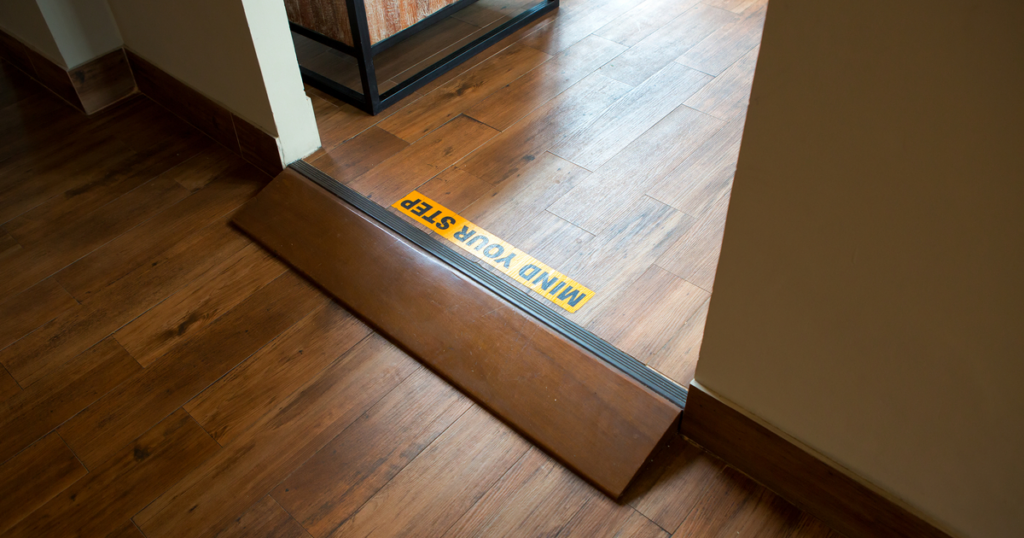
Declutter Pathways: Ensure that walkways and living areas are free from clutter. Remove objects like newspapers, books, shoes, and pet toys that might cause tripping. In many urban settings, dedicated decluttering services help seniors maintain a safe living environment.
Secure Rugs and Carpets: Use double-sided tape or non-slip mats to keep rugs and carpets in place. In the United States, professional carpet installation services ensure that rugs and carpets are laid evenly and securely.
Case Study: In many homes in Japan, traditional tatami mats are used. These mats are often secured to prevent movement, reducing the risk of tripping and falling
READ ALSO: Signs Your Aging Parent May Need Additional Support at Home
2. Install Grab Bars and Handrails

Bathrooms and Staircases: Install grab bars in bathrooms next to the toilet and inside the shower. Handrails on both sides of staircases provide additional support, significantly reducing fall risks.
Case Study: In Canada, government programs fund the installation of grab bars for seniors, showing the importance of this simple yet effective measure. Programs like “Aging in Place” provide grants for home modifications, including grab bars and handrails.
Innovative Solutions: In Norway, innovative design solutions like foldable grab bars and sleek handrails blend safety with aesthetics, encouraging seniors to make safety modifications without compromising on home decor.
3. Improve Lighting

Adequate Lighting: Ensure all areas of the home are well-lit, especially staircases, hallways, and bathrooms. Use nightlights in bedrooms and bathrooms to help seniors navigate in the dark.
Smart Lighting Solutions: In first-world countries, smart lighting systems that automatically adjust brightness based on time of day or movement are increasingly popular. This technology provides convenience and safety for seniors. For instance, Philips Hue smart lighting can be programmed to gradually increase brightness in the morning, helping seniors wake up safely.
READ ALSO: Different Types of Senior Care Services and Which One is Right for You
Example: In Sweden, smart lighting in public and private spaces ensures that elderly citizens have well-lit environments, reducing the risk of falls significantly.
4. Keep Necessities Within Reach
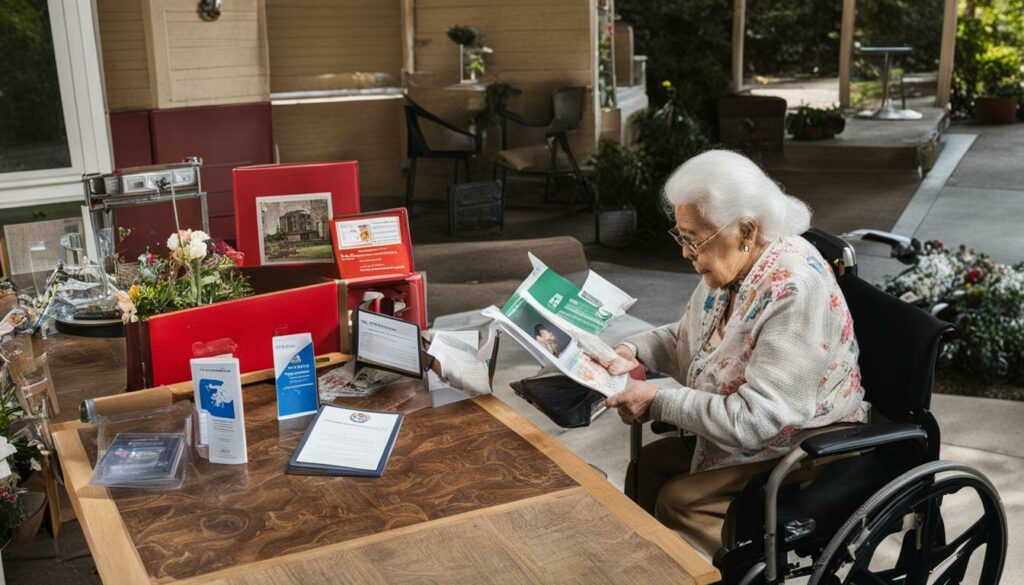
Accessible Storage: Store frequently used items in easily accessible locations. Avoid placing objects on high shelves or in low cabinets where seniors might need to use a step stool.
Practical Example: In many European countries, adjustable shelving units are standard in senior-friendly home designs, minimizing the need for seniors to reach or bend too much. These shelves can be lowered or raised with minimal effort, making daily tasks easier and safer.
5. Use Non-Slip Mats

Bathrooms and Kitchens: Place non-slip mats in areas that often get wet, such as bathrooms and kitchens. These mats provide additional traction, preventing slips and falls.
Real-World Application: Hospitals in the United Kingdom often use non-slip mats in patient bathrooms, which could be a practical addition to home safety plans. Additionally, non-slip coatings on bathroom floors are used in many nursing homes across Europe.
READ ALSO: How In-Home Senior Care Promotes Independence and Safety
Innovative Designs: In Australia, companies offer custom-designed non-slip mats with patterns and colors that fit seamlessly into home decor, making safety both functional and visually appealing.
6. Wear Proper Footwear
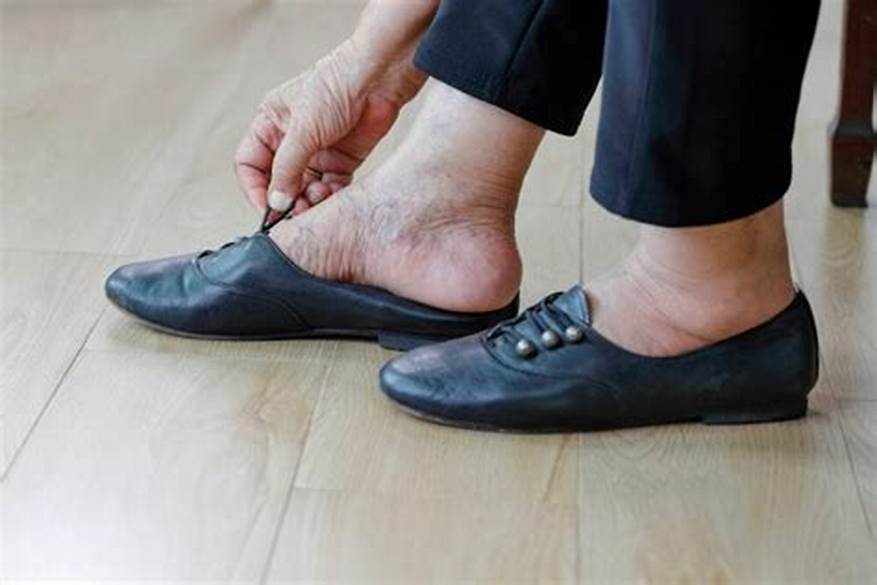
Supportive Shoes: Encourage seniors to wear shoes with good support and non-slip soles, even inside the house. Avoid slippers or shoes with smooth soles that increase the risk of slipping.
Footwear Programs: In many developed countries, healthcare programs offer footwear designed for elderly individuals, promoting both comfort and safety. Brands like Dr. Comfort and Orthofeet provide shoes specifically designed for seniors, combining style with functionality.
Case Example: In Germany, orthopedic footwear is often covered by insurance for seniors, ensuring they have access to shoes that support their mobility and reduce fall risks.
7. Exercise Regularly
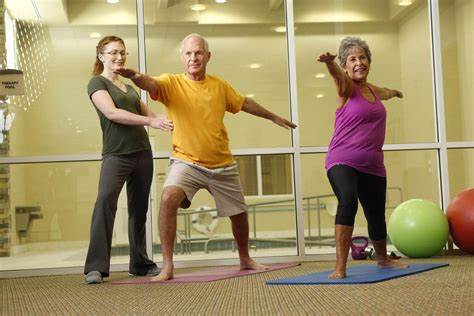
Strength and Balance: Engage in regular exercise to improve strength and balance. Activities like walking, yoga, and tai chi are excellent for maintaining physical health and preventing falls.
Community Programs: In Australia, community centers offer senior-specific exercise programs focusing on fall prevention, demonstrating the importance of physical activity. Programs like “Stepping On” provide group exercise sessions that enhance balance and coordination.
Virtual Exercise Classes: In the United States, virtual exercise classes for seniors have gained popularity, allowing them to participate from the safety of their homes. Services like SilverSneakers offer online classes tailored to seniors’ needs.
8. Regular Vision and Hearing Checks
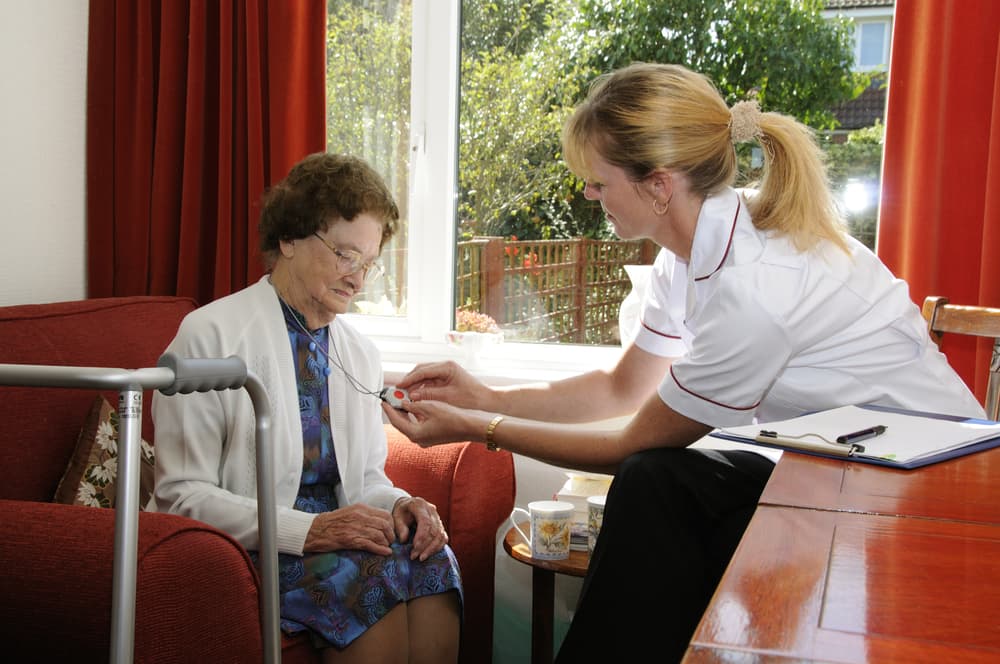
Routine Examinations: Regular eye and ear check-ups are crucial. Poor vision or hearing can increase the risk of falls, as seniors may not notice hazards or hear warnings.
Health Services: Developed countries often provide comprehensive healthcare services, including routine vision and hearing screenings for seniors, emphasizing the role of preventive care. In the United Kingdom, the NHS offers free vision and hearing tests for those over a certain age.
Technology Integration: In Japan, advanced hearing aids and glasses with built-in sensors are becoming common, helping seniors navigate their environment more safely.
9. Medication Management

Consult a Doctor: Review medications with a healthcare provider to understand their side effects, such as dizziness or drowsiness, which can increase fall risk.
Medication Reviews: In the United States, Medicare offers medication therapy management services, helping seniors manage their prescriptions effectively. Pharmacists provide consultations to ensure that medications do not interact in ways that could cause harm.
Smart Medication Dispensers: In Canada, smart medication dispensers remind seniors to take their medications on time and in the correct dosage, reducing the risk of side effects that could lead to falls.
READ ALSO: The Importance of Companionship for Seniors and How It Improves Mental Health
10. Emergency Plan
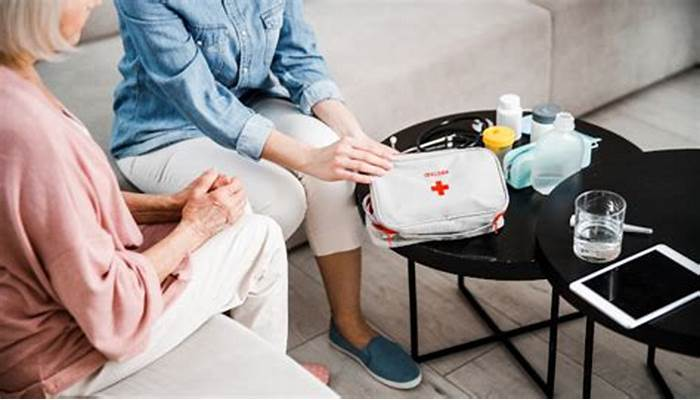
Plan Ahead: Develop an emergency plan in case of a fall. Ensure seniors have a way to call for help, such as wearing a medical alert device or having a phone within easy reach.
Emergency Services: Many countries provide emergency response systems specifically for seniors, highlighting the importance of quick access to help in preventing severe consequences of falls. In the United States, services like Life Alert offer devices that seniors can wear to call for help at the press of a button.
Community Initiatives: In Sweden, community-based programs ensure that seniors have regular check-ins and access to emergency services, providing an additional layer of security.
Conclusion
Ensuring the safety of seniors at home is crucial for their independence and well-being. By implementing these ten essential safety tips, families can significantly reduce the risk of falls and create a secure living environment for their loved ones. From decluttering pathways to using smart lighting solutions, these measures not only protect seniors but also provide peace of mind for their caregivers. The integration of technology and community programs in first-world countries showcases the effectiveness of these strategies and serves as a model for others to follow.
FAQs
Q1: What are the most common causes of falls among seniors?
- The most common causes of falls among seniors include tripping hazards, poor lighting, slippery surfaces, and side effects from medications.
Q2: How can smart home technology help prevent falls?
- Smart home technology can improve safety by providing features like automatic lighting adjustments, fall detection systems
3. What home modifications can I make?
- Install grab bars, use non-slip mats, remove tripping hazards, and improve lighting.
4. How can I improve safety at night?
- Install nightlights, use motion-activated lights, and keep a flashlight within easy reach.
5. What role do medications play in fall prevention?
- Review all medications with your doctor, including over-the-counter medications. Inform your doctor about any side effects you are experiencing.