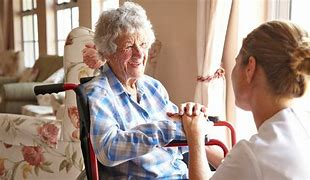
Introduction: Understanding Caregiver Burnout
Being a caregiver can be one of the most rewarding yet challenging roles a person can take on. Whether you’re caring for a family member, a friend, or a loved one, the act of providing support can be both physically and emotionally demanding. But over time, this constant responsibility can lead to something far less pleasant: caregiver burnout.
Have you ever felt exhausted, overwhelmed, or even emotionally detached from the person you’re caring for? If so, you might be experiencing burnout, a state of physical, emotional, and mental exhaustion that affects countless caregivers around the world.
In this article, we’ll help you understand how to recognize caregiver burnout and offer seven proven strategies to overcome it. These strategies will empower you to take care of yourself while continuing to care for others.

What is Caregiver Burnout?
Caregiver burnout refers to the chronic stress that comes from the demanding nature of caregiving. It often results from long periods of providing care without adequate support or self-care. Burnout can lead to feelings of exhaustion, frustration, and hopelessness. It doesn’t just affect the caregiver’s physical health but also their emotional well-being, social life, and overall mental state.
Signs and Symptoms of Caregiver Burnout
Recognizing burnout early can make a significant difference in how you cope with it. Here are some common signs and symptoms of caregiver burnout:
1. Physical Exhaustion
If you feel constantly drained, no matter how much rest you get, it’s a red flag. The demands of caregiving can take a toll on your energy levels, leaving you feeling perpetually tired.
2. Emotional Fatigue
Caregivers often experience emotional exhaustion. If you find yourself feeling overwhelmed, irritable, or even apathetic, it could be a sign that you’re burning out.
3. Irritability and Frustration
You might notice that you’re more short-tempered or frustrated than usual. This can happen when you’re under constant stress and feel you’re not getting the support you need.
4. Withdrawal from Social Activities
If you’ve started avoiding social events or distancing yourself from friends and family, it’s a sign that you’re emotionally drained. Isolation can worsen feelings of burnout.
5. Health Problems
Physical symptoms like headaches, stomach issues, sleep disturbances, and even frequent illness can result from chronic stress and overexertion.
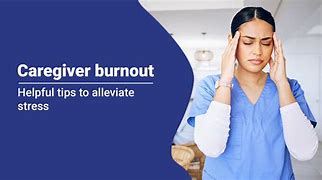
Why Do Caregivers Experience Burnout?
There are several reasons caregivers are more likely to experience burnout:
1. Emotional Investment
Caring for someone you love can feel rewarding, but it can also lead to emotional exhaustion. The constant worry about the person’s well-being can weigh heavily on your heart.
2. Lack of Support
Many caregivers feel they are doing it all alone, whether it’s because family members are distant or because they lack access to professional help.
3. Unrealistic Expectations
Some caregivers take on more than they can handle, feeling the need to be “perfect” or always available. These unrealistic expectations can quickly lead to burnout.
4. Physical Demands
Caregiving can be physically exhausting. Lifting, bathing, or assisting with mobility can be draining, especially when it’s a long-term commitment.
5. Financial Strain
Caring for someone can sometimes impact your finances, especially if you need to take time off work or pay for extra services. This added stress can contribute to burnout.
How to Overcome Caregiver Burnout: 7 Proven Strategies
Now that we’ve discussed the signs of burnout and its causes, it’s time to look at strategies that can help you regain balance and avoid burnout in the future.
1. Prioritize Self-Care
One of the most important steps in overcoming burnout is taking care of yourself. Self-care isn’t selfish—it’s essential for your well-being. Here are some ideas to incorporate into your routine:
- Exercise: Even a short walk can refresh you.
- Sleep: Prioritize good sleep hygiene and aim for at least 7-8 hours of sleep.
- Nutrition: Eat balanced, nourishing meals to keep your energy up.
Remember, you cannot pour from an empty cup. Taking time to recharge will make you a better caregiver in the long run.
2. Ask for Help
Caregivers often feel like they need to do everything themselves, but it’s important to ask for help when needed. Whether it’s a family member, friend, or professional caregiver, support can lighten your load.
- Join a Support Group: Caregiver support groups can provide a sense of community and help you feel less isolated.
- Hire a Professional: If possible, consider hiring respite care services to give yourself a break.
3. Set Realistic Expectations
Set achievable goals for yourself and be kind to yourself when things don’t go according to plan. You’re doing your best, and that’s enough. Allow yourself to rest and don’t take on more than you can handle.
4. Establish Boundaries
Learning to say no is a crucial skill for caregivers. Set clear boundaries to prevent yourself from being stretched too thin. Let others know when you need time for yourself and don’t feel guilty about it.
5. Manage Stress Effectively
Managing stress is key to avoiding burnout. Try incorporating stress-relief techniques into your daily routine, such as:
- Mindfulness: Meditation or breathing exercises can help calm your mind.
- Journaling: Writing down your thoughts and feelings can be a therapeutic outlet.
6. Seek Professional Support
It’s okay to reach out for professional help when needed. Therapy or counseling can provide a safe space for you to express your feelings and get advice on how to manage the emotional challenges of caregiving.
7. Take Breaks and Recharge Regularly
It’s easy to get caught up in caregiving, but taking regular breaks is essential. Whether it’s a weekend away or just an afternoon off, recharging your batteries can help you feel more energized and focused when you return to your caregiving duties.

The Importance of Seeking Help: It’s Okay to Not Do It Alone
Asking for help isn’t a sign of weakness—it’s a smart way to ensure that you don’t burn out. If you’re struggling with caregiver burnout, it’s essential to reach out to loved ones, support groups, or professional services.
Even if you feel like you’re in this alone, there are resources available to support you. Connecting with others who understand your situation can alleviate feelings of isolation and stress.
The Role of Family in Preventing Caregiver Burnout
Family support is crucial in preventing caregiver burnout. It’s important to communicate openly with other family members about the challenges you’re facing. Share the load where possible, and don’t hesitate to ask for help when you need it.
Conclusion: Caring for Yourself is Caring for Them
In conclusion, caregiver burnout is a real and serious issue that can affect your well-being and the quality of care you provide. By recognizing the signs early and implementing strategies like self-care, asking for help, and setting realistic expectations, you can prevent burnout and continue to care for your loved ones in a healthy, sustainable way.
Remember, caregiving is a marathon, not a sprint. It’s okay to take breaks, ask for support, and focus on your own needs. After all, the better you take care of yourself, the better you can take care of those who depend on you.
FAQs
1. What is the first sign of caregiver burnout?
The first signs of caregiver burnout often include physical exhaustion, emotional fatigue, and irritability. If you’re feeling overwhelmed or detached from the person you’re caring for, it’s time to evaluate your well-being.
2. Can caregiver burnout affect my health?
Yes, caregiver burnout can lead to serious health problems, such as chronic stress, anxiety, depression, and even physical ailments like headaches or digestive issues. It’s important to prioritize your health to prevent long-term effects.
3. How can I get support as a caregiver?
Support can come from various sources, including family members, friends, caregiver support groups, or professional help. Don’t be afraid to ask for help, whether it’s respite care or emotional support.
4. Is it normal to feel guilty for taking a break from caregiving?
No, it’s not unusual to feel guilty, but it’s essential to take breaks for your well-being. Caring for yourself allows you to be a better caregiver in the long run.
5. How often should I take breaks as a caregiver?
Try to take breaks regularly, whether it’s daily, weekly, or whenever you feel overwhelmed. Taking small, consistent breaks can help you maintain your energy and prevent burnout.