Chronic pain is a significant issue for many seniors, often impacting their quality of life and daily activities. Understanding how to identify this pain, along with effective home remedies and practical tips, can empower caregivers and seniors alike. This guide will explore the nuances of chronic pain in older adults, how to recognize it, and simple strategies to manage it effectively.
Understanding Chronic Pain in Seniors
What is Chronic Pain?
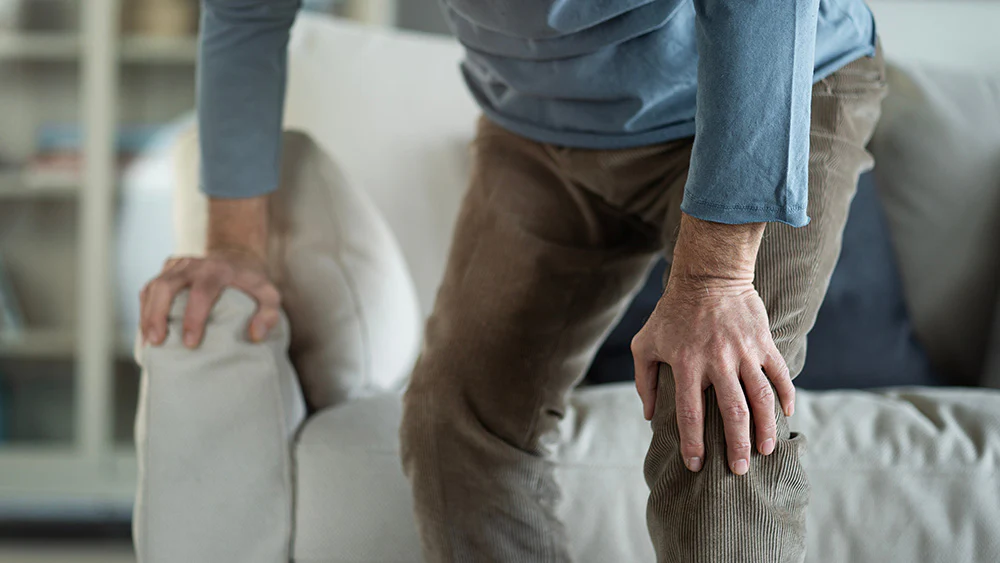
Chronic pain is defined as pain that persists for longer than three months. Unlike acute pain, which serves as a warning signal for injury or illness, chronic pain can continue even after the underlying cause has been treated. For seniors, this type of pain often stems from conditions such as arthritis, neuropathy, or previous injuries.
The Impact of Chronic Pain on Daily Life
Living with chronic pain can significantly affect a senior’s quality of life. It can lead to:
- Reduced Mobility: Pain may limit physical activity, leading to muscle weakness and decreased endurance.
- Mental Health Issues: Chronic pain is often associated with depression and anxiety, creating a cycle of discomfort and emotional distress.
- Sleep Disturbances: Pain can interfere with sleep patterns, leading to fatigue and further exacerbating health issues.
READ ALSO: Time Management Tips for Caregivers Juggling Multiple Responsibilities
Identifying Chronic Pain in Seniors
Recognizing chronic pain in seniors can be challenging, especially if they have difficulty communicating their discomfort. Here are some effective methods for identifying pain:
Self-Report Methods
Encouraging seniors to express their feelings about pain is crucial. Use simple screening questions such as:
- Do you have pain or are you aching anywhere right now?
- Where do you feel the pain?
- How long have you been experiencing this pain?
- Does the pain keep you from sleeping at night?
- Does it prevent you from participating in activities you enjoy?
If a senior reports pain during an initial screening interview, further assessment is needed to understand the intensity, location, quality, and symptoms associated with their discomfort.
Observational Methods
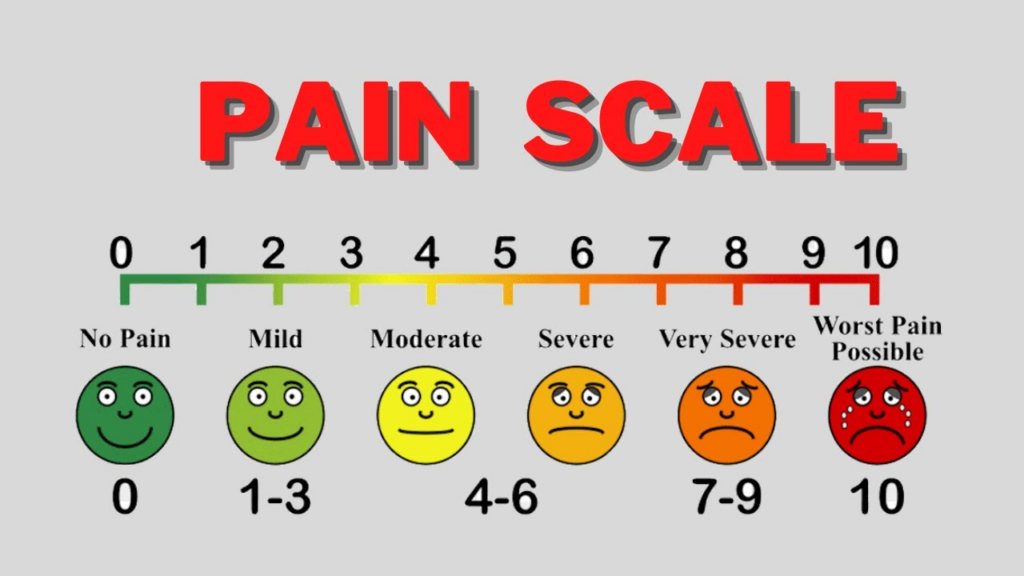
For seniors who may struggle to articulate their pain—especially those with cognitive impairments—observation becomes vital. Look for signs such as:
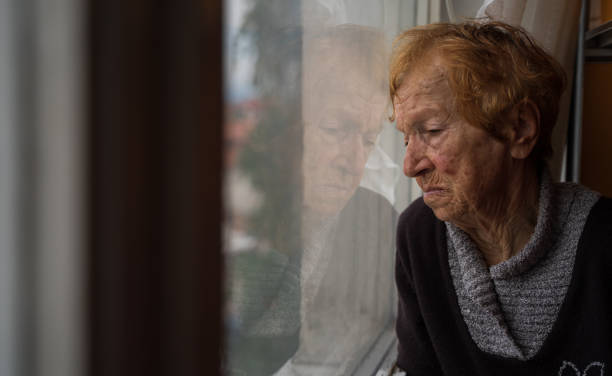
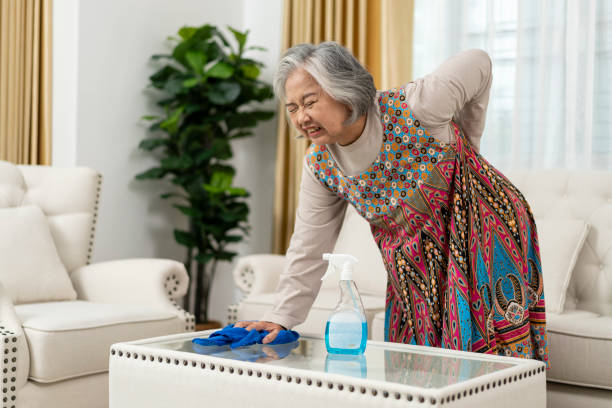
- Changes in facial expressions (grimacing or frowning)
- Withdrawal from social interactions
- Changes in appetite or sleep patterns
- Difficulty performing daily tasks
Using tools like a pain chart, where individuals can mark areas of discomfort on a body map, can also help clarify where they are experiencing pain.
Common Causes of Chronic Pain in Seniors
Understanding the causes of chronic pain can help in managing it effectively. Some common causes include:
- Arthritis: Joint inflammation leading to stiffness and pain.
- Neuropathy: Damage to the nerves often associated with diabetes.
- Fibromyalgia: A condition characterized by widespread musculoskeletal pain.
- Previous Injuries: Old injuries may cause lingering discomfort as one ages.
Simple Home Remedies for Managing Chronic Pain

There are several home remedies that seniors can use to help alleviate chronic pain:
1. Heat Therapy
Heat therapy can be incredibly soothing for sore muscles and joints. Here are some effective methods:
- Heating Pads: Apply a heating pad to the affected area for 15-20 minutes.
- Warm Baths: Soaking in a warm bath with Epsom salts can relax muscles and relieve tension.
2. Cold Therapy
Cold therapy helps reduce inflammation and numb sharp pain:
- Ice Packs: Apply ice packs wrapped in a cloth to painful areas for 15-20 minutes.
- Cold Compresses: These can be particularly effective after physical activity or during flare-ups.
3. Gentle Exercise
While it may seem counterintuitive, gentle exercise can help alleviate chronic pain:
- Walking: Regular walks improve circulation and strengthen muscles without excessive strain.
- Stretching: Simple stretching exercises enhance flexibility and reduce stiffness.
4. Mindfulness and Relaxation Techniques
Stress can exacerbate chronic pain; therefore, relaxation techniques are essential:
- Meditation: Practicing mindfulness meditation helps focus the mind away from pain.
- Deep Breathing Exercises: These promote relaxation and reduce tension throughout the body.
READ ALSO: How In-Home Senior Care Promotes Independence and Safety
Dietary Considerations for Pain Management
What we eat plays a significant role in how we feel. Certain foods can help reduce inflammation and alleviate pain:
Anti-inflammatory Foods
Incorporating anti-inflammatory foods into the diet can be beneficial:
- Fatty Fish: Salmon, mackerel, and sardines are rich in omega-3 fatty acids that combat inflammation.
- Fruits and Vegetables: Berries, leafy greens, and cruciferous vegetables provide antioxidants that help fight inflammation.
Hydration
Staying hydrated is crucial for overall health. Dehydration can lead to muscle cramps and increased pain perception. Aim for at least eight glasses of water daily.
Supplements That May Help

Certain supplements may provide relief from chronic pain:
1. Omega-3 Fatty Acids
These supplements have been shown to reduce joint stiffness and improve mobility in people with arthritis.
2. Turmeric
Curcumin, the active ingredient in turmeric, has anti-inflammatory properties that may help alleviate chronic pain.
3. Vitamin D
Low levels of vitamin D are linked to increased pain sensitivity. Ensure adequate sunlight exposure or consider supplementation after consulting a healthcare provider.
Lifestyle Changes for Pain Management
Making small adjustments to daily routines can have a significant impact on managing chronic pain:
1. Maintain a Healthy Weight
Excess weight puts additional strain on joints, particularly in conditions like arthritis. A balanced diet combined with regular exercise can help maintain a healthy weight.
2. Prioritize Sleep Hygiene
Quality sleep is essential for healing and managing pain. Establishing a bedtime routine that promotes relaxation can improve sleep quality:
- Keep the bedroom dark and cool.
- Avoid screens before bedtime.
- Consider herbal teas like chamomile for relaxation.
3. Stay Socially Active
Engaging socially can distract from pain while promoting mental well-being. Encourage participation in community activities or hobbies that interest them.
Practical Tips for Caregivers
If you’re caring for an elderly loved one with chronic pain, here are some practical tips:
1. Encourage Open Communication
Create an environment where your loved one feels comfortable discussing their pain levels openly. This will help you understand their needs better.
2. Assist with Daily Activities
Offer assistance with tasks that may exacerbate their pain, such as heavy lifting or prolonged standing while cooking.
3. Monitor Medications
Help manage prescribed medications by keeping track of dosages and schedules to ensure compliance with treatment plans.
READ ALSO: The Importance of Companionship for Seniors and How It Improves Mental Health
First Aid Equipment and Training
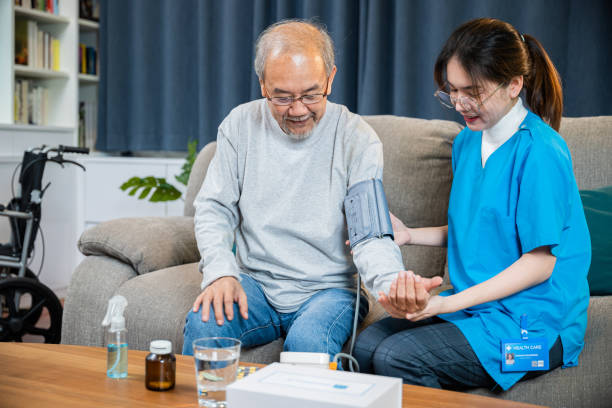
Having first aid equipment readily available is essential when caring for seniors dealing with chronic pain or other health issues:
Essential First Aid Supplies
Ensure your first aid kit includes:
- Adhesive bandages
- Sterile gauze pads
- Antiseptic wipes
- Pain relievers (like acetaminophen)
- Elastic bandages for sprains
- Ice packs
- Thermometer
Regularly check your kit to ensure all items are up-to-date.
Training
Consider taking first aid training courses that focus on elderly care. This training will equip you with skills to handle emergencies effectively while understanding how to support seniors experiencing chronic conditions safely.
Examples from First World Countries
In countries like the United States and Canada, various programs aim to support seniors dealing with chronic pain:
- Community Health Programs: Many communities offer free or low-cost exercise classes specifically designed for seniors with chronic conditions.
- Pain Management Clinics: These facilities provide comprehensive care plans that include physical therapy, counseling, and medication management tailored for older adults.
- Support Groups: Organizations often facilitate support groups where seniors can share experiences and coping strategies related to chronic pain management.
Conclusion
Managing chronic pain in seniors requires a holistic approach that encompasses identifying the source of discomfort through effective communication and observation methods while implementing home remedies, lifestyle changes, dietary considerations, and practical caregiver tips. By being proactive about recognizing signs of chronic pain early on—coupled with having essential first aid supplies on hand—you can significantly enhance your loved one’s quality of life despite the challenges posed by chronic discomfort.
FAQs
- What are some effective home remedies for chronic pain? Effective home remedies include heat therapy (heating pads or warm baths), cold therapy (ice packs), gentle exercise (walking or stretching), and mindfulness techniques (meditation).
- How can I identify if my elderly loved one is experiencing chronic pain? Use self-report methods by asking direct questions about their discomfort while also observing changes in behavior such as withdrawal from social activities or alterations in appetite.
- Can diet influence chronic pain? Yes! A diet rich in anti-inflammatory foods like fatty fish, fruits, vegetables, whole grains, nuts, seeds, turmeric, and adequate hydration can help reduce inflammation associated with chronic pain.
- What role does first aid training play in managing an elderly person’s health? First aid training equips caregivers with essential skills to handle emergencies effectively while ensuring safe support for seniors experiencing chronic conditions or unexpected health issues.
- Are there any supplements recommended for seniors dealing with chronic pain? Supplements such as omega-3 fatty acids (for joint health), turmeric (for its anti-inflammatory properties), and vitamin D (to combat deficiency) may help alleviate symptoms but should be discussed with a healthcare provider first.