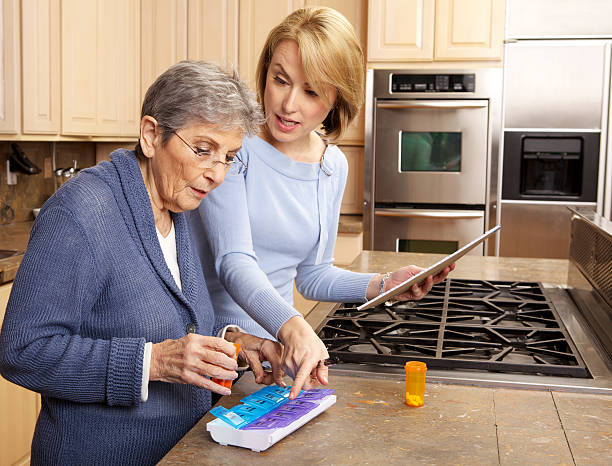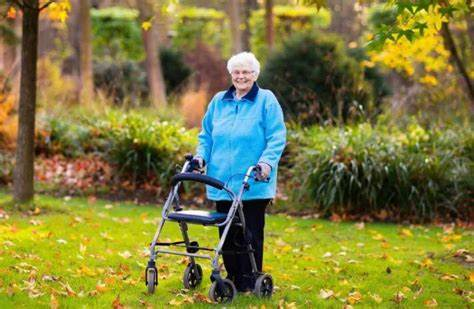
As we age, mobility can become a significant concern. Whether due to arthritis, balance issues, or recovery from surgery, many seniors find it increasingly challenging to move around safely and independently. Fortunately, there are various mobility aids designed to enhance movement and improve the quality of life for older adults. In this article, we will explore the best mobility aids available, their benefits, and how they can be effectively integrated into daily life.
Understanding Mobility Aids
What Are Mobility Aids?
Mobility aids are devices designed to assist individuals in moving around safely and comfortably. These aids can range from simple walking sticks to advanced wheelchairs equipped with modern technology. The primary goal of these devices is to enhance mobility while ensuring safety and independence.
Why Are Mobility Aids Important?
For seniors, mobility aids are crucial for several reasons:
- Safety: They help prevent falls and injuries by providing support.
- Independence: Mobility aids allow seniors to maintain their independence and perform daily activities without relying heavily on caregivers.
- Improved Quality of Life: By enhancing mobility, these aids enable seniors to engage in social activities, exercise, and enjoy life more fully.
READ ALSO: How to Choose the Right Home Care Services for Your Aging Parents
Types of Mobility Aids
1. Walkers
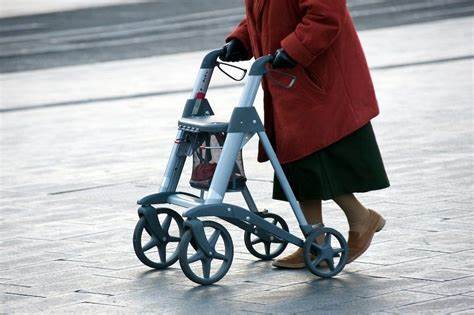
Walkers are one of the most common mobility aids used by seniors. They provide stability and support while walking.
Types of Walkers
- Standard Walkers: These have four legs and require users to lift them slightly while walking.
- Wheeled Walkers (Rollators): Equipped with wheels on the front legs, these walkers allow users to push them forward without lifting. Many come with seats for resting.
Benefits of Walkers
- Enhanced Stability: Walkers provide a broad base of support, making them ideal for those with balance issues.
- Adjustable Heights: Most walkers can be adjusted to fit the user’s height comfortably.
2. Wheelchairs
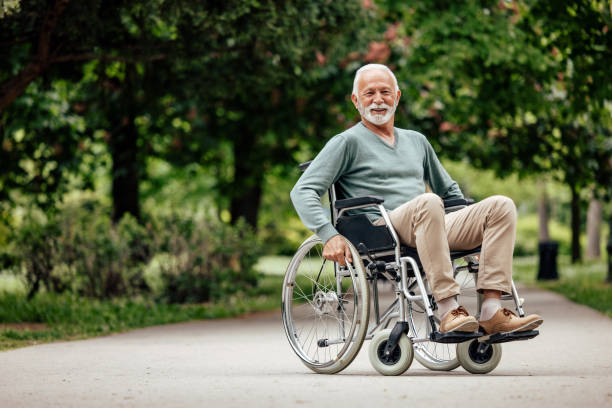
Wheelchairs are essential mobility aids for seniors who have difficulty walking or cannot walk at all.
Types of Wheelchairs
- Manual Wheelchairs: These require the user or a caregiver to push them. They are lightweight and easy to maneuver.
- Electric Wheelchairs: Powered by batteries, these wheelchairs allow users to move independently with minimal effort.
Benefits of Wheelchairs
- Increased Independence: Electric wheelchairs enable seniors to navigate their environment without assistance.
- Comfort: Many wheelchairs come with padded seats and adjustable features for maximum comfort during use.
3. Scooters
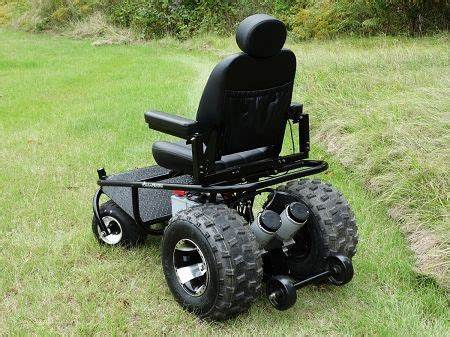
Mobility scooters are another excellent option for seniors who need assistance getting around but still want some independence.
Types of Scooters
- Three-Wheel Scooters: These are generally more maneuverable but may not be as stable as four-wheel models.
- Four-Wheel Scooters: These offer better stability and are suitable for outdoor use.
READ ALSO: The Benefits of Music Therapy for Seniors with Alzheimer’s Disease
Benefits of Scooters
- Ease of Use: Scooters are easy to operate and require minimal physical effort.
- Versatility: Many models can be used both indoors and outdoors, making them suitable for various environments.
4. Canes
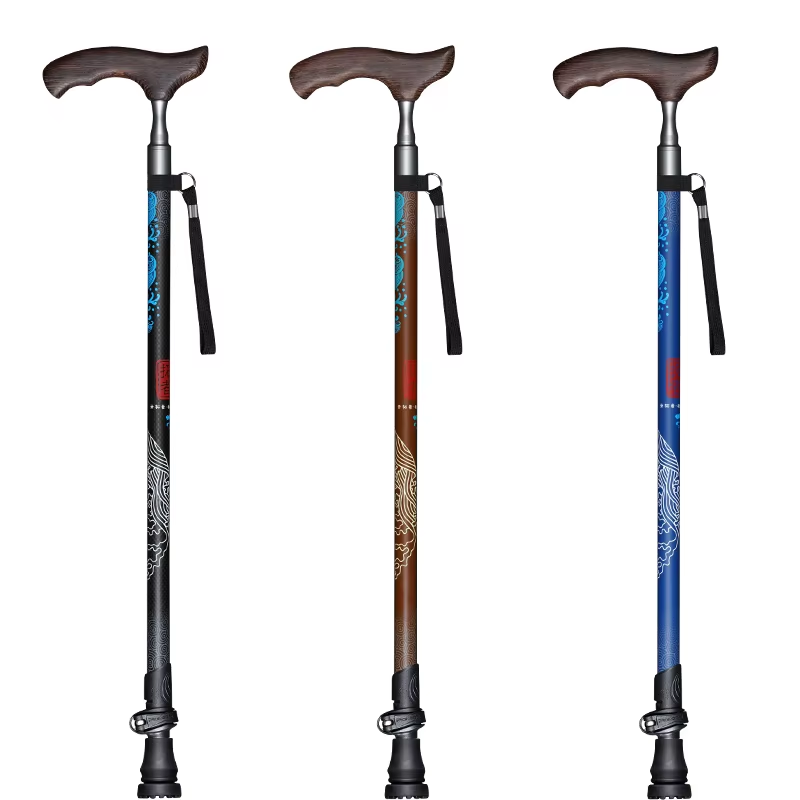
Canes are simple yet effective mobility aids that provide support while walking.
Types of Canes
- Standard Canes: Basic models that provide minimal support.
- Quad Canes: These have four points of contact with the ground for added stability.
Benefits of Canes
- Lightweight and Portable: Canes are easy to carry and store.
- Variety of Styles: They come in various designs and colors, allowing seniors to choose one that suits their personality.
Choosing the Right Mobility Aid
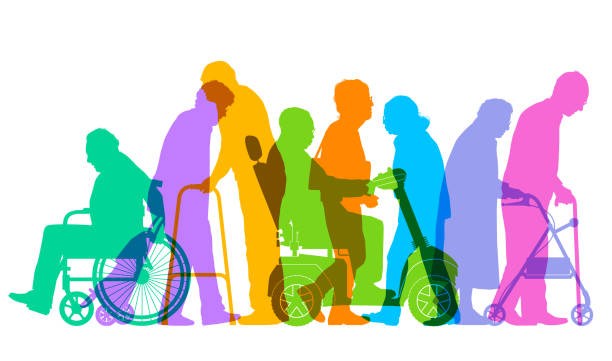
Selecting the appropriate mobility aid depends on several factors:
1. Assessing Individual Needs
Consider the senior’s specific needs:
- Do they have balance issues?
- Are they able to walk short distances or require more substantial support?
2. Consulting Healthcare Professionals
Always consult with healthcare providers or physical therapists before choosing a mobility aid. They can assess the individual’s condition and recommend the most suitable option.
3. Trying Before Buying
Whenever possible, allow seniors to try out different mobility aids before making a purchase. This ensures comfort and usability.
READ ALSO: Tips for Seniors to Stay Safe During Extreme Weather Conditions
Integrating Mobility Aids into Daily Life
1. Training on Proper Use
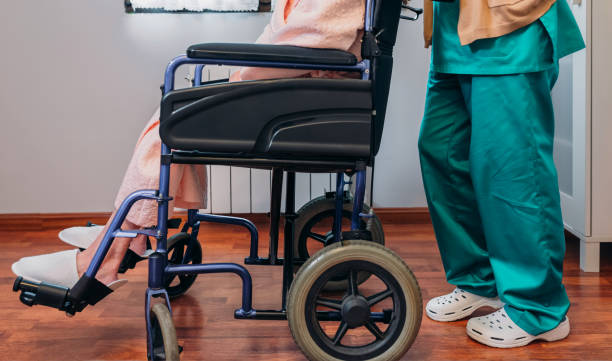
Once a mobility aid is selected, it’s essential to provide training on its proper use. This includes:
- How to adjust the device for comfort.
- Techniques for navigating different terrains (e.g., curbs or stairs).
2. Creating a Safe Environment
Ensure that the home environment is conducive to using mobility aids:
- Remove tripping hazards such as rugs or clutter.
- Ensure adequate lighting in hallways and staircases.
3. Encouraging Regular Use
Encourage seniors to use their mobility aids regularly to build confidence and improve their overall mobility skills.
Medical Facts Supporting Mobility Aid Use
Research highlights several medical facts that underscore the importance of using mobility aids among seniors:
- Fall Prevention: Studies show that using walkers or canes significantly reduces the risk of falls among older adults, which is crucial given that falls are a leading cause of injury in this age group.
- Improved Physical Health: Regular use of mobility aids encourages physical activity, which is essential for maintaining muscle strength and cardiovascular health in seniors.
- Mental Well-being: Maintaining independence through mobility aids can lead to improved mental health outcomes. Seniors who feel capable of moving around report higher levels of satisfaction and lower levels of depression.
- Social Engagement: Mobility aids facilitate participation in social activities, which is vital for emotional health. Seniors who remain socially active tend to experience better cognitive function over time.
- Chronic Condition Management: For seniors managing conditions like arthritis or Parkinson’s disease, using appropriate mobility aids can help manage symptoms effectively while promoting independence in daily activities.
Overcoming Barriers to Using Mobility Aids
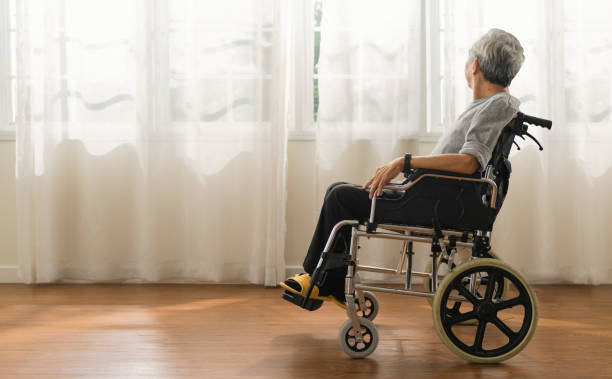
Despite their benefits, some seniors may hesitate to use mobility aids due to various barriers:
1. Stigma Around Aging
Many older adults may feel embarrassed about using a walker or wheelchair due to societal perceptions about aging. Encouraging open conversations about these feelings can help normalize their use.
2. Lack of Awareness
Some seniors may not be aware of the options available or how they can benefit from them. Providing information through community workshops or healthcare providers can increase awareness and acceptance.
3. Cost Concerns
The cost of purchasing mobility aids can be a barrier for some individuals. Exploring options such as renting equipment or seeking financial assistance programs can alleviate this issue.
READ ALSO: A Complete Guide to Managing Medication for Elderly Loved Ones
Conclusion
Mobility aids play an essential role in enhancing the quality of life for seniors by promoting independence, safety, and social engagement. From walkers and wheelchairs to scooters and canes, there is a wide range of options available tailored to individual needs. By understanding how these devices work, assessing personal requirements, and integrating them into daily life effectively, seniors can maintain their freedom while navigating their environments safely.
Encouraging regular use of these aids not only prevents falls but also supports overall health—both physically and mentally—as our loved ones age gracefully in their golden years.
FAQs
- What type of mobility aid is best for someone with balance issues?
Walkers or quad canes provide excellent stability for individuals with balance concerns. - How do I know if my loved one needs a wheelchair?
If they struggle with walking long distances or experience significant fatigue when moving around, it may be time to consider a wheelchair. - Are there any financial assistance programs for purchasing mobility equipment?
Yes! Many local organizations offer financial assistance or rental programs for mobility equipment, check with community health services for options available in your area. - Can using a mobility equipment lead to increased dependency?
On the contrary! Properly used mobility aids often promote independence by enabling seniors to move safely without relying on others constantly. - How often should I encourage my loved one to practice using their mobility equipment?
Regular practice is key—aim for daily use whenever possible so they become comfortable navigating various environments confidently!