
Sleep is one of the most vital aspects of our overall health, yet it often gets overlooked, especially in older adults. As we age, the quality and quantity of sleep can decline, leading to a host of health issues. Understanding the importance of sleep and how to improve sleep quality is essential for seniors who want to maintain their health, cognitive function, and overall well-being.
Understanding Sleep and Its Importance

What Happens During Sleep?
Sleep is not just a time for rest; it’s a complex biological process that allows the body to recover, repair, and rejuvenate. During sleep, the body undergoes various stages, including:
- REM (Rapid Eye Movement) Sleep: This stage is crucial for memory consolidation and emotional regulation.
- Non-REM Sleep: This includes deep sleep stages that are vital for physical restoration and immune function.
Why Is Sleep Important for Seniors?
For older adults, sleep plays a critical role in:
- Cognitive Function: Quality sleep enhances memory, attention, and problem-solving skills.
- Physical Health: Adequate sleep supports cardiovascular health and regulates hormones that control appetite.
- Emotional Well-Being: Good sleep patterns help reduce anxiety and depression, promoting a more positive outlook on life.
READ ALSO: 10 Essential Home Safety Tips for Seniors to Prevent Falls
Common Sleep Issues in Seniors
Insomnia
Insomnia is one of the most prevalent sleep disorders among older adults. It can manifest as difficulty falling asleep, staying asleep, or waking up too early. Factors contributing to insomnia include:
- Stress
- Chronic pain
- Medications
- Medical conditions like arthritis or heart disease
Sleep Apnea
Sleep apnea is another common issue where breathing repeatedly stops and starts during sleep. This condition can lead to fragmented sleep and excessive daytime drowsiness. Symptoms include loud snoring and gasping for air during sleep.
Restless Legs Syndrome (RLS)
RLS is characterized by an uncontrollable urge to move the legs while resting. This condition can make it difficult for seniors to fall asleep or stay asleep.
How to Improve Sleep Quality in Seniors

Improving sleep quality involves a combination of lifestyle changes, environmental adjustments, and sometimes medical intervention. Here are several effective strategies:
1. Establish a Consistent Sleep Schedule
Encouraging seniors to go to bed and wake up at the same time every day helps regulate their internal clock. Consistency reinforces the body’s natural circadian rhythm.
2. Create a Relaxing Bedtime Routine
A calming pre-sleep routine can signal the body that it’s time to wind down. Activities may include:
- Reading a book
- Taking a warm bath
- Practicing relaxation techniques like deep breathing or meditation
READ ALSO: Different Types of Senior Care Services and Which One is Right for You
3. Optimize the Sleep Environment
Creating an ideal sleeping environment is crucial for quality rest:
- Comfortable Bedding: Invest in a good mattress and pillows that provide adequate support.
- Control Light: Use blackout curtains or eye masks to block out light.
- Reduce Noise: Consider using earplugs or white noise machines to minimize disruptive sounds.
4. Limit Screen Time Before Bed
The blue light emitted by screens can interfere with melatonin production, making it harder to fall asleep. Encourage seniors to avoid screens at least an hour before bedtime.
5. Monitor Diet and Caffeine Intake
What seniors eat can significantly affect their sleep quality:
- Avoid Heavy Meals Before Bed: Large meals can cause discomfort and disrupt sleep.
- Limit Caffeine and Alcohol: Both substances can interfere with sleep patterns if consumed too close to bedtime.
The Role of Physical Activity
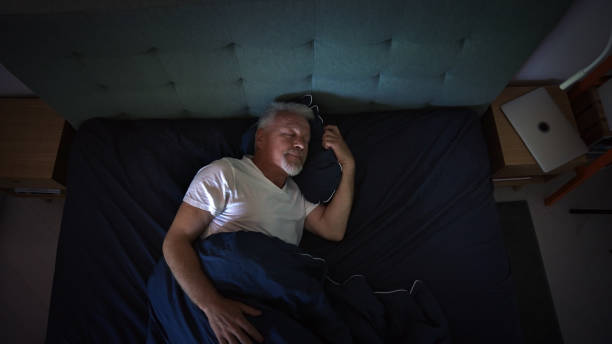
Regular physical activity is beneficial for improving sleep quality among seniors:
1. Engage in Regular Exercise
Encouraging daily physical activity helps promote better sleep by reducing anxiety and improving mood. Aim for at least 30 minutes of moderate exercise most days of the week.
2. Timing Matters
While exercise is beneficial, timing is crucial. Avoid vigorous workouts close to bedtime as they may have a stimulating effect.
Cognitive Behavioral Therapy for Insomnia (CBT-I)
For seniors struggling with chronic insomnia, Cognitive Behavioral Therapy for Insomnia (CBT-I) has proven effective. This structured program helps individuals identify thoughts and behaviors that contribute to sleeplessness while teaching strategies for better sleep management.
When to Seek Medical Help
If lifestyle changes do not improve sleep quality or if symptoms like snoring or gasping for air persist, it’s essential to consult a healthcare professional. They may recommend:
- Sleep Studies: To diagnose conditions like sleep apnea.
- Medications: In some cases, short-term use of sleep aids may be appropriate under medical supervision.
READ ALSO: How to Recognize and Overcome Caregiver Burnout: 7 Proven Strategies”
The Impact of Sleep on Overall Health

Understanding how poor sleep affects health is crucial for motivating seniors to prioritize their rest:
- Cognitive Decline: Chronic lack of sleep has been linked to an increased risk of dementia.
- Increased Risk of Falls: Fatigue can impair balance and coordination, increasing fall risk among seniors.
- Heart Health: Poor sleep quality has been associated with higher blood pressure and cardiovascular problems.
Practical Tips for Caregivers
As caregivers, supporting elderly loved ones in improving their sleep quality involves understanding their unique needs:
- Encourage Communication: Talk openly about any difficulties they may be experiencing with their sleep.
- Be Patient: Changes in sleeping patterns may take time; consistency is key.
- Monitor Medications: Some medications can interfere with sleep; consult healthcare providers if necessary.
READ ALSO: How In-Home Senior Care Promotes Independence and Safety
Conclusion
Sleep is not just a luxury; it’s essential for maintaining health as we age. By understanding the importance of quality rest and implementing practical strategies, seniors can significantly improve their sleep quality and overall well-being. With consistent effort from both seniors and their caregivers, achieving restful nights becomes an attainable goal.
FAQs
- How many hours of sleep do seniors need?
Seniors typically need 7-9 hours of sleep per night for optimal health. - What are some natural remedies for improving sleep?
Herbal teas such as chamomile or valerian root can promote relaxation before bedtime. - Is it normal for seniors to wake up frequently at night?
Yes, waking up during the night can be common due to changes in sleep patterns as we age. - Can naps during the day affect nighttime sleep?
Long or late naps can interfere with nighttime rest; short naps (20–30 minutes) earlier in the day are usually best. - When should I seek medical help for sleep issues?
If poor sleep persists despite lifestyle changes or if you experience symptoms like severe snoring or gasping during sleep, consult a healthcare professional.