Arthritis is a common condition among older adults, affecting millions worldwide and leading to pain, stiffness, and reduced mobility. Supporting seniors with arthritis through home-based activities can significantly improve their quality of life. This article will explore various strategies, activities, and tips to help seniors manage their arthritis effectively while staying engaged and active in their daily lives.
Understanding Arthritis

What is Arthritis?
Arthritis refers to inflammation of the joints, which can cause pain, swelling, and stiffness. There are over 100 different types of arthritis, but the most common forms among seniors are osteoarthritis (OA) and rheumatoid arthritis (RA).
- Osteoarthritis: This degenerative joint disease occurs when the cartilage that cushions the joints wears down over time. It commonly affects weight-bearing joints such as the knees, hips, and spine.
- Rheumatoid Arthritis: This autoimmune disorder occurs when the immune system mistakenly attacks the joints, leading to inflammation and pain. It can affect people at any age but is more prevalent in older adults.
The Impact of Arthritis on Daily Life
Living with arthritis can be challenging. Seniors may experience limitations in their ability to perform daily activities such as dressing, cooking, or even walking. This can lead to feelings of frustration, isolation, and depression. Therefore, finding ways to support seniors in managing their condition is essential for their overall well-being.
The Importance of Home-Based Activities

Home-based activities provide an excellent opportunity for seniors with arthritis to stay active without overexerting themselves. Engaging in these activities can help:
- Reduce Pain: Gentle movements can alleviate stiffness and improve joint function.
- Enhance Mobility: Regular activity helps maintain flexibility and strength.
- Boost Mental Health: Staying engaged in enjoyable activities can combat feelings of loneliness and depression.
- Promote Independence: By participating in home-based activities, seniors can maintain a sense of autonomy.
Types of Home-Based Activities for Seniors with Arthritis
1. Gentle Stretching Exercises
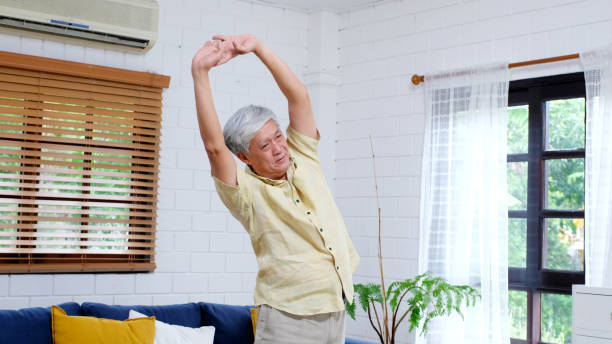
Stretching is vital for maintaining flexibility and reducing stiffness in joints. Simple stretches can be performed at home without any special equipment.
- Neck Rolls: Gently roll the head from side to side to relieve tension.
- Shoulder Shrugs: Raise shoulders toward the ears and release them down.
- Wrist Flexor Stretches: Extend one arm forward with the palm facing up; gently pull back on the fingers with the other hand.
2. Low-Impact Aerobic Activities
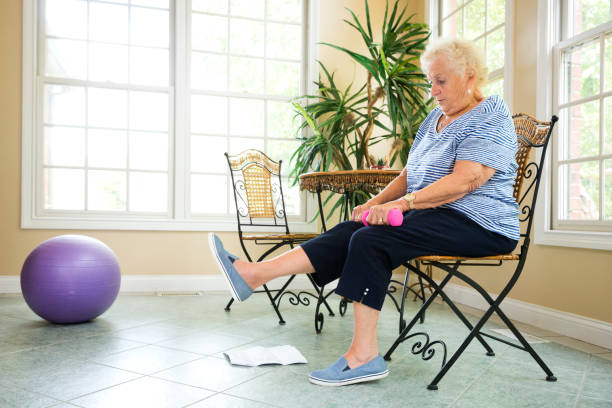
Low-impact aerobic exercises are excellent for improving cardiovascular health without stressing the joints.
- Walking: A daily walk around the neighborhood or even inside the house can provide significant benefits.
- Swimming or Water Aerobics: Water supports the body while reducing stress on joints, making it an ideal exercise option.
- Cycling: Using a stationary bike allows for safe cardiovascular exercise while seated.
READ ALSO: Time Management Tips for Caregivers Juggling Multiple Responsibilities
3. Strength Training
Building muscle strength around joints can help provide better support and reduce pain.
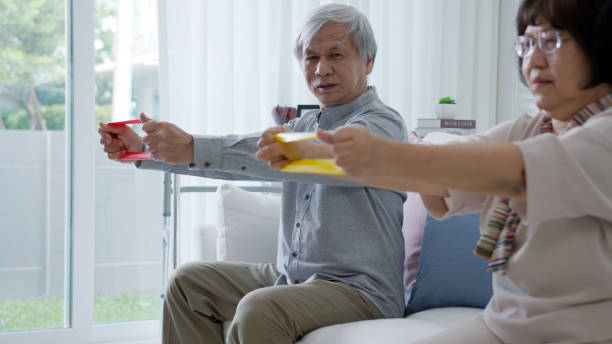
- Resistance Bands: These are lightweight and easy to use at home for strength training exercises.
- Light Weights: Using light dumbbells for upper body exercises can enhance muscle strength without overexertion.
4. Mindfulness and Relaxation Techniques

Incorporating mindfulness practices can help seniors manage pain and reduce stress levels.
- Meditation: Simple breathing exercises or guided meditation sessions can promote relaxation.
- Yoga or Tai Chi: These practices combine gentle movements with mindfulness, improving flexibility while calming the mind.
Creating an Arthritis-Friendly Home Environment
1. Organizing Living Spaces
A well-organized living space can make daily tasks easier for seniors with arthritis:
- Declutter: Remove unnecessary items from walkways to prevent falls.
- Accessible Storage: Place frequently used items within easy reach to minimize bending or stretching.
2. Utilizing Assistive Devices
Assistive devices can make daily tasks easier:
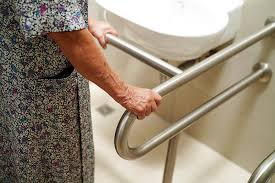
- Grab Bars: Installing grab bars in bathrooms can provide support when getting in and out of the shower or bathtub.
- Reachers or Grabbers: These tools allow seniors to pick up items from the floor without bending down.
Nutritional Support for Seniors with Arthritis

Diet plays a crucial role in managing arthritis symptoms. Certain foods have anti-inflammatory properties that may help reduce pain:
1. Omega-3 Fatty Acids
Foods rich in omega-3 fatty acids have been shown to decrease inflammation:
- Fatty Fish: Salmon, mackerel, and sardines are excellent sources.
- Chia Seeds and Walnuts: These plant-based sources also provide omega-3s.
2. Antioxidant-Rich Foods
Antioxidants help combat oxidative stress associated with inflammation:
- Berries: Blueberries, strawberries, and raspberries are packed with antioxidants.
- Leafy Greens: Spinach, kale, and collard greens offer numerous vitamins that support joint health.
READ ALSO: Safety and Comfort Tips for Designing a Senior-Friendly Bathroom
Recognizing Signs of Flare-Ups

Being aware of signs that may indicate an arthritis flare-up is crucial for timely intervention:
Common Symptoms of Flare-Ups
- Increased joint pain or swelling
- Stiffness after periods of inactivity
- Fatigue or general malaise
- Difficulty performing daily tasks due to increased discomfort
Recognizing these signs early allows caregivers to adjust activities accordingly or seek medical advice if necessary.
Encouraging Social Engagement
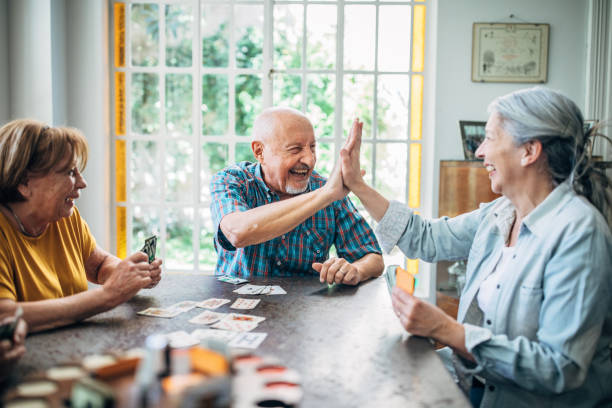
Social interaction is vital for mental health but can be challenging for seniors dealing with arthritis. Here are some ways to encourage social engagement:
1. Group Activities
Joining local community groups focused on arts and crafts, book clubs, or gardening can foster social connections while engaging in enjoyable activities.
2. Virtual Connections
For those unable to attend in-person gatherings due to mobility issues, utilizing technology like video calls can help maintain social ties with family and friends.
Overcoming Barriers to Activity Participation
Seniors may face various barriers that prevent them from engaging in home-based activities:
1. Addressing Physical Limitations
For seniors with limited mobility:
- Consider adaptive equipment such as chairs with armrests or raised toilet seats for added support during activities.
2. Combatting Motivation Issues
Sometimes seniors may feel unmotivated due to pain or fatigue:
- Encourage family involvement by participating together in activities like gardening or cooking healthy meals.
READ ALSO: Meditation and Mindfulness Benefits for Older Adults
Conclusion
Supporting seniors with arthritis through home-based activities is essential for enhancing their quality of life. By incorporating gentle exercises, creating an arthritis-friendly environment, promoting healthy nutrition, and encouraging social engagement, caregivers can significantly improve their loved ones’ physical and emotional well-being. With a little creativity and compassion, we can empower our elderly loved ones to lead fulfilling lives despite the challenges posed by arthritis.
FAQs
- What types of exercises are best for seniors with arthritis?
Low-impact exercises like walking, swimming, stretching, and gentle strength training are ideal for managing arthritis symptoms. - How often should seniors engage in physical activity?
Aim for at least 150 minutes of moderate aerobic activity per week combined with strength training exercises twice a week. - Are there specific foods that help reduce arthritis pain?
Yes! Foods rich in omega-3 fatty acids (like fatty fish), antioxidants (like berries), and anti-inflammatory spices (like turmeric) may help alleviate symptoms. - What assistive devices are recommended for seniors with arthritis?
Devices such as grab bars, reachers/grabbers, ergonomic kitchen tools, and raised toilet seats can make daily tasks easier. - How can I encourage my loved one to stay active despite their arthritis?
Involve them in enjoyable activities that suit their abilities; consider joining them for walks or classes that promote gentle movement together.