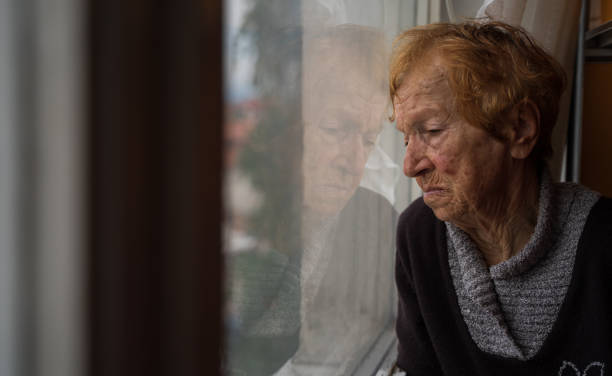
As our loved ones age, it’s natural to worry about their health and well-being. Among the many challenges seniors face, mental health issues like depression and anxiety are often overlooked. These conditions can significantly impact their quality of life, yet they frequently go unrecognized. Understanding the early signs of depression and anxiety in older adults is crucial for timely intervention and support. This article will explore these signs, their implications, and how we can help our elderly loved ones navigate these challenges.
Understanding Depression and Anxiety in Seniors
What is Depression?
Depression is more than just feeling sad; it’s a persistent condition that affects how a person feels, thinks, and handles daily activities. In seniors, depression can manifest differently than in younger individuals, often being mistaken for normal aging or other health issues.
What is Anxiety?
Anxiety involves excessive worry or fear about everyday situations. For seniors, anxiety can stem from various sources, including health concerns, loss of independence, or social isolation.
The Importance of Recognizing Early Signs
Recognizing early signs of depression and anxiety is vital because early intervention can lead to better outcomes. Untreated mental health issues can lead to a decline in physical health, increased risk of hospitalization, and a reduced quality of life.
Early Signs of Depression in Seniors

1. Persistent Sadness or Low Mood
One of the most common signs of depression is a persistent feeling of sadness or hopelessness. If your loved one seems down for an extended period without any apparent reason, it may be time to investigate further.
2. Loss of Interest in Activities
Seniors may withdraw from hobbies or activities they once enjoyed. If your loved one no longer shows interest in gardening, reading, or socializing with friends, this could be a red flag.
3. Changes in Appetite or Weight
Significant weight loss or gain can indicate depression. Seniors might either lose their appetite entirely or turn to food for comfort, leading to unhealthy eating habits.
4. Sleep Disturbances
Depression often affects sleep patterns. Seniors may experience insomnia or oversleeping as they struggle with their emotions.
READ ALSO: How to Build a Support Network as a Family Caregiver
5. Fatigue or Low Energy
A noticeable decrease in energy levels can be a sign of depression. If your loved one seems unusually tired or lethargic despite adequate rest, it’s worth addressing.
Early Signs of Anxiety in Seniors

1. Excessive Worrying
Seniors may exhibit excessive worrying about health issues, finances, or family matters. This constant state of worry can be debilitating and interfere with daily life.
2. Restlessness or Agitation
Anxiety often manifests as restlessness or irritability. If your loved one seems more agitated than usual or has difficulty sitting still, it could indicate underlying anxiety.
3. Physical Symptoms
Anxiety can cause various physical symptoms such as headaches, stomachaches, or muscle tension. If these symptoms appear without a clear medical cause, they may be linked to anxiety.
4. Avoidance Behavior
Seniors may begin avoiding situations that trigger their anxiety—such as social gatherings or medical appointments—leading to increased isolation.
The Overlap Between Depression and Anxiety
It’s important to note that depression and anxiety often coexist in older adults. A senior experiencing anxiety may also exhibit signs of depression and vice versa. This overlap can complicate diagnosis but underscores the importance of comprehensive mental health assessments.
Factors Contributing to Depression and Anxiety in Seniors
Understanding the factors that contribute to these conditions can help caregivers provide better support:
- Health Issues: Chronic illnesses can lead to feelings of helplessness and despair.
- Loss: The death of a spouse or close friends can trigger grief that evolves into depression.
- Isolation: Many seniors experience loneliness due to mobility issues or the loss of social networks.
- Medication Side Effects: Some medications can contribute to mood changes; it’s essential to review all medications with healthcare providers.
How Family and Caregivers Can Help

Recognizing these signs is just the first step; knowing how to respond is equally important:
READ ALSO: A Complete Guide to Managing Medication for Elderly Loved Ones
1. Open Communication
Encourage open dialogue about feelings and emotions. Let your loved one know it’s okay to talk about their struggles without judgment.
2. Encourage Professional Help
If you notice persistent signs of depression or anxiety, encourage your loved one to seek professional help from a mental health provider who specializes in geriatric care.
3. Promote Social Interaction
Encourage social activities that foster connection with others—whether through community events, clubs, or family gatherings—to combat isolation.
4. Engage in Physical Activity
Physical activity has been shown to improve mood and reduce anxiety levels. Encourage your loved one to participate in gentle exercises like walking, swimming, or yoga tailored for seniors.
Practical Strategies for Managing Depression and Anxiety
In addition to professional treatment options, there are practical strategies that can help manage symptoms:
1. Mindfulness and Relaxation Techniques
Practices such as meditation, deep breathing exercises, and yoga can significantly reduce stress and promote emotional well-being.
2. Healthy Diet
A balanced diet rich in fruits, vegetables, whole grains, lean proteins, and healthy fats supports overall mental health.
3. Routine Establishment
Establishing a daily routine provides structure and purpose—two essential elements for managing depression and anxiety.
When to Seek Immediate Help
If your loved one exhibits any signs of self-harm or expresses thoughts of suicide, seek immediate help from professionals or emergency services. It’s crucial not to ignore these serious warning signs.
READ ALSO: Tips for Seniors to Stay Safe During Extreme Weather Conditions
Conclusion
Recognizing early signs of depression and anxiety in seniors is essential for promoting their mental well-being and quality of life. By understanding these signs and fostering open communication with our elderly loved ones, we can provide the support they need during challenging times. Remember that mental health is just as important as physical health; addressing these issues early on can lead to significant improvements in overall well-being.
FAQs
- What are common signs that my elderly loved one may be depressed?
Common signs include persistent sadness, loss of interest in activities they once enjoyed, changes in appetite or weight, sleep disturbances, and fatigue. - How can I encourage my senior family member to seek help?
Approach the conversation with empathy; express your concerns gently while emphasizing that seeking help is a sign of strength. - Are there specific exercises beneficial for seniors dealing with anxiety?
Gentle exercises like walking, tai chi, yoga, or even gardening can help reduce anxiety levels while promoting physical health. - What role does nutrition play in managing mental health?
A balanced diet rich in nutrients supports brain function and overall emotional well-being; foods high in omega-3 fatty acids are particularly beneficial. - When should I seek immediate help for my loved one?
If they express thoughts of self-harm or suicide or show severe changes in behavior that concern you deeply—seek immediate professional assistance right away.