Caring for a loved one with dementia can be both rewarding and challenging. As the disease progresses, it can affect memory, communication, and daily living skills, making it essential for caregivers to adopt effective strategies to provide support. This guide offers practical steps and insights into caring for seniors with dementia, ensuring they maintain dignity, comfort, and a sense of purpose.
Understanding Dementia
What is Dementia?
Dementia is an umbrella term used to describe a range of symptoms associated with a decline in cognitive function. It affects memory, thinking, and social abilities to the extent that it interferes with daily life. Alzheimer’s disease is the most common form of dementia, but there are others, such as vascular dementia and Lewy body dementia.
Common Symptoms of Dementia
Recognizing the symptoms of dementia is crucial for effective care. These may include:
- Memory Loss: Forgetting recent events or important dates.
- Difficulty Communicating: Struggling to find words or follow conversations.
- Disorientation: Confusion about time or place.
- Changes in Mood or Behavior: Increased anxiety, depression, or agitation.
READ ALSO: Tips for Seniors to Stay Safe During Extreme Weather Conditions
The Importance of a Structured Care Approach
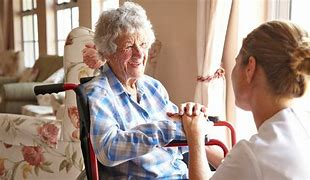
Why Structure Matters
Seniors with dementia thrive in environments that offer stability and predictability. A structured routine can help reduce anxiety and confusion by providing a sense of familiarity. It also helps caregivers manage their time effectively.
Step-by-Step Guide to Caring for Seniors with Dementia
Step 1: Educate Yourself About Dementia
Understanding dementia is the first step toward effective caregiving. Familiarize yourself with the different types of dementia, their symptoms, and progression. Resources such as books, online courses, and support groups can provide valuable insights.
Step 2: Create a Safe Environment
Safety is paramount when caring for someone with dementia. Here are some tips:
- Remove Hazards: Clear pathways of clutter to prevent falls.
- Install Safety Devices: Use grab bars in bathrooms and consider installing locks on doors to prevent wandering.
- Label Important Areas: Use signs or labels on doors (e.g., “Bathroom,” “Kitchen”) to help them navigate their environment.
Step 3: Establish a Daily Routine
A consistent daily routine can help seniors feel more secure. Include activities such as:
- Morning Routine: Wake up at the same time each day, followed by breakfast and personal hygiene.
- Engaging Activities: Schedule time for puzzles, reading, or light exercise.
- Meal Times: Keep meals at regular times to create predictability.
READ ALSO: The Senior Care Services: Support and Compassion for Your Loved Ones
Step 4: Communicate Effectively
Communication can be challenging with seniors suffering from dementia. Here are some strategies:
- Use Simple Language: Speak slowly and clearly using short sentences.
- Be Patient: Allow time for them to respond without rushing them.
- Non-Verbal Cues: Use gestures and facial expressions to convey messages.
Step 5: Encourage Independence
While it’s essential to provide support, encouraging independence can boost self-esteem. Allow seniors to participate in daily tasks as much as possible:
- Meal Preparation: Involve them in simple cooking tasks like washing vegetables or stirring ingredients.
- Personal Care: Encourage them to dress themselves or assist in grooming.
Step 6: Monitor Health and Well-being
Regular health check-ups are vital for seniors with dementia. Keep track of any changes in behavior or health:
- Medication Management: Ensure they take medications as prescribed. Consider using pill organizers or setting reminders.
- Regular Doctor Visits: Schedule routine appointments to monitor overall health.
Engaging Activities for Seniors with Dementia
Cognitive Exercises
Engaging the mind is crucial for maintaining cognitive function. Consider activities such as:
- Puzzles and Games: Simple jigsaw puzzles or memory games can stimulate thinking.
- Art Therapy: Encourage creative expression through painting or drawing.
Physical Activities
Physical exercise is beneficial not just for physical health but also for mental well-being:
- Walking: Short walks can improve mood and provide fresh air.
- Chair Exercises: For those with mobility issues, seated exercises can enhance flexibility.
Managing Behavioral Changes
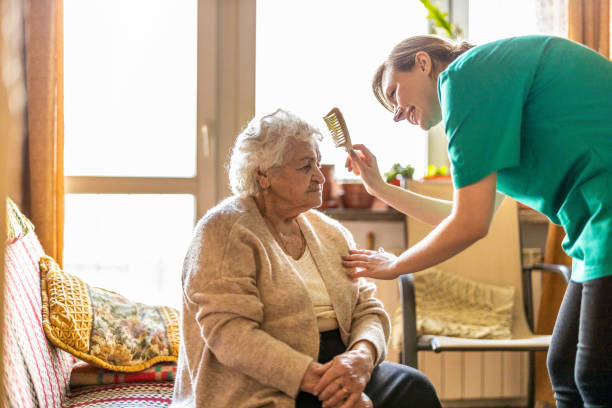
Understanding Behavioral Symptoms
Behavioral changes are common in individuals with dementia. They may become agitated, confused, or withdrawn. Understanding these behaviors is key to managing them effectively.
READ ALSO: Top Ways In-Home Care Enhances Quality of Life for Seniors
Strategies for Managing Behavior
- Identify Triggers: Pay attention to what situations lead to agitation or confusion. It could be loud noises, crowded spaces, or even certain times of day.
- Redirect Attention: If they become upset, try redirecting their focus to another activity they enjoy.
- Stay Calm: Your demeanor can influence their mood. Remaining calm and reassuring helps create a soothing environment.
The Role of Nutrition in Dementia Care

Importance of a Balanced Diet
Nutrition plays a significant role in brain health. A balanced diet can help manage symptoms and improve overall well-being:
- Healthy Fats: Incorporate omega-3 fatty acids found in fish and nuts which are beneficial for brain health.
- Hydration: Ensure they drink plenty of water throughout the day to stay hydrated.
Utilizing Technology for Support
Technology can be an invaluable tool in caring for seniors with dementia:
- Medication Reminders: Use apps designed to remind individuals when it’s time to take their medications.
- Emergency Alert Systems: Consider devices that allow seniors to call for help if needed.
- Virtual Engagement Tools: Video calls can help maintain social connections with family members who live far away.
Seeking Support as a Caregiver
Caring for someone with dementia can be overwhelming at times. It’s essential to seek support:
- Support Groups: Join local or online caregiver support groups where you can share experiences and gain insights from others facing similar challenges.
- Respite Care Services: Consider utilizing respite care services that allow you some time off while ensuring your loved one is cared for by professionals.
READ ALSO: Signs Your Aging Parent May Need Additional Support at Home
Conclusion
Caring for seniors with dementia requires patience, understanding, and a structured approach. By educating yourself about the condition, creating a safe environment, establishing routines, communicating effectively, encouraging independence, monitoring health, engaging in activities, managing behavioral changes, focusing on nutrition, utilizing technology, and seeking support when needed, you can significantly enhance your loved one’s quality of life while also taking care of your own well-being as a caregiver.
The journey may be challenging at times; however, every small effort contributes positively toward maintaining dignity and comfort for those living with dementia.
FAQs
- What are the early signs of dementia?
Early signs include memory loss affecting daily life, difficulty communicating thoughts clearly, disorientation regarding time or place, and changes in mood or behavior. - How can I create a safe environment for someone with dementia?
Remove hazards from pathways, install safety devices like grab bars in bathrooms, and label important areas around the home to aid navigation. - What types of activities are beneficial for seniors with dementia?
Engaging activities include puzzles, art therapy, light exercise like walking or chair exercises, and simple cooking tasks that encourage participation. - How should I communicate with someone who has dementia?
Use simple language and short sentences; speak slowly and clearly while being patient enough to allow them time to respond without feeling rushed. - Where can I find support as a caregiver?
Look for local caregiver support groups or online communities where you can connect with others facing similar challenges; consider respite care services when you need time off.