
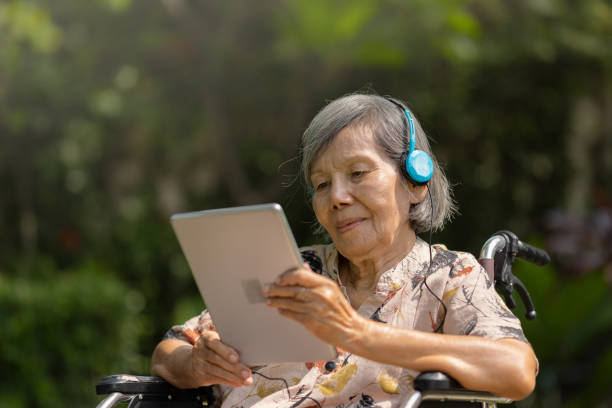
Alzheimer’s disease is a progressive neurological disorder that affects millions of seniors worldwide, leading to memory loss, cognitive decline, and changes in behavior. As caregivers and families seek effective ways to enhance the quality of life for their loved ones, music therapy has emerged as a powerful tool. This article explores the benefits of music therapy for seniors with Alzheimer’s disease, highlighting its therapeutic effects, practical applications, and the science behind its success.
Understanding Alzheimer’s Disease
What is Alzheimer’s Disease?
Alzheimer’s disease is a form of dementia that primarily affects memory, thinking, and behavior. It typically begins with mild memory loss and gradually progresses to more severe cognitive impairment. Symptoms can include confusion, difficulty communicating, changes in mood, and challenges in performing daily activities.
The Impact of Alzheimer’s on Seniors
For seniors diagnosed with Alzheimer’s, the impact can be profound. Not only does it affect their ability to remember loved ones or perform daily tasks, but it can also lead to feelings of isolation and depression. As the disease progresses, caregivers often struggle to find effective ways to connect with their loved ones.
READ ALSO: How to Build a Support Network as a Family Caregiver
The Power of Music Therapy

What is Music Therapy?
Music therapy involves using music interventions to achieve specific therapeutic goals. It is facilitated by a trained music therapist who tailors sessions to meet the individual needs of seniors. These sessions can include listening to music, singing, songwriting, or playing instruments.
How Does Music Therapy Work?
Music therapy works by engaging different areas of the brain associated with memory, emotion, and cognition. Music has a unique ability to evoke memories and emotions, making it an effective tool for individuals with Alzheimer’s disease.
Benefits of Music Therapy for Seniors with Alzheimer’s
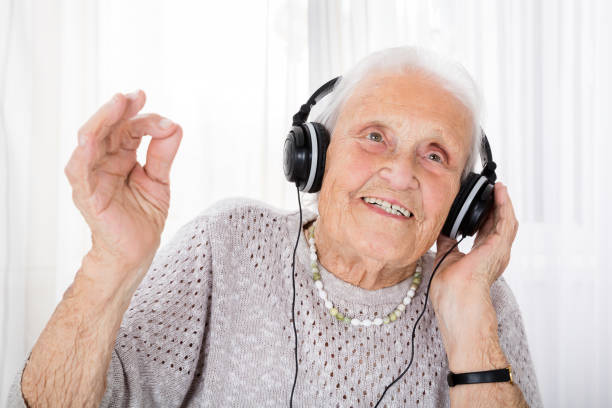
1. Enhances Memory Recall
One of the most significant benefits of music therapy is its ability to enhance memory recall. Familiar songs can trigger memories from the past, allowing seniors to reconnect with their history and identity. Research has shown that listening to music from their youth can help patients recall events and people they may have forgotten.
2. Improves Mood and Reduces Anxiety
Music has a powerful emotional impact and can help improve mood among seniors with Alzheimer’s. Engaging in music therapy can lead to reduced anxiety and agitation, promoting relaxation and emotional well-being. In many cases, patients exhibit fewer behavioral issues when participating in musical activities.
3. Promotes Social Interaction
Group music therapy sessions encourage social interaction among participants. Singing together or playing instruments fosters a sense of community and belonging. This social engagement is vital for combating feelings of isolation that many seniors experience.
4. Stimulates Cognitive Function
Music therapy stimulates various cognitive functions such as attention, memory, and problem-solving skills. Engaging with music requires mental effort—whether it’s recalling lyrics or following rhythms—which can help maintain cognitive abilities longer.
5. Enhances Communication Skills
For seniors who struggle with verbal communication due to Alzheimer’s disease, music can serve as an alternative form of expression. Singing or playing instruments allows them to communicate feelings and thoughts without relying solely on words.
READ ALSO: Cognitive Exercises to Prevent Memory Loss in Elderly People
Practical Applications of Music Therapy
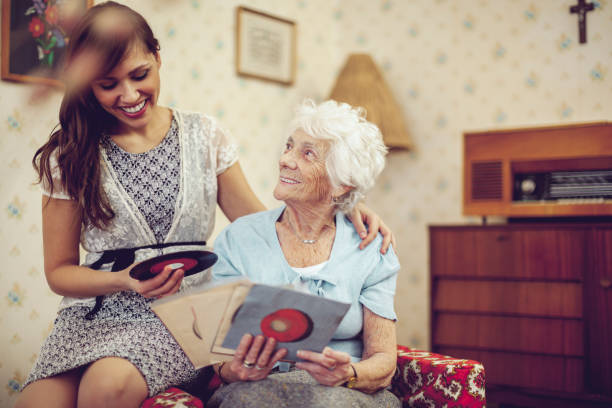
Individualized Music Playlists
Creating personalized playlists featuring familiar songs from a senior’s past can be an effective way to engage them in music therapy at home. These playlists might include:
- Favorite songs from their youth
- Music associated with significant life events (weddings, graduations)
- Songs that evoke positive memories
Listening to these playlists can spark conversations about the past and enhance emotional connections.
Group Music Therapy Sessions
Many communities offer group music therapy programs specifically designed for seniors with Alzheimer’s disease. These sessions often include:
- Singing familiar songs
- Playing simple instruments like tambourines or maracas
- Engaging in rhythmic activities that promote movement
Group settings foster social interaction while providing therapeutic benefits through shared musical experiences.
The Science Behind Music Therapy
Research Findings
Numerous studies support the effectiveness of music therapy for seniors with Alzheimer’s disease:
- Memory Activation: Research published in The Journal of Neuropsychiatry and Clinical Neurosciences found that familiar music activates areas of the brain associated with memory recall.
- Behavioral Improvements: A study published in Alzheimer’s & Dementia: The Journal of the Alzheimer’s Association noted that participants who engaged in regular music therapy showed significant reductions in agitation compared to those who did not participate.
- Emotional Well-being: A systematic review published in Frontiers in Psychology highlighted that music therapy positively impacts emotional states among individuals with dementia.
Overcoming Barriers to Music Therapy
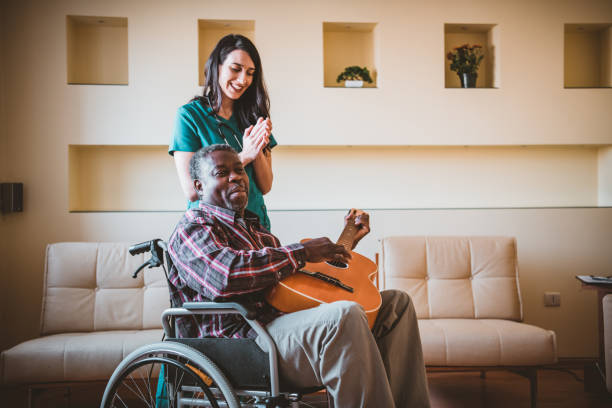
Accessibility Issues
While many benefits exist regarding music therapy for seniors with Alzheimer’s disease, accessibility can be a barrier. Here are some strategies to overcome these challenges:
- Community Programs: Look for local organizations or community centers offering music therapy programs tailored for seniors.
- Home-Based Activities: If attending group sessions isn’t feasible, consider implementing music therapy at home through personalized playlists or simple musical activities.
Resistance from Seniors
Some seniors may initially resist participating in music therapy due to unfamiliarity or discomfort. To encourage participation:
- Start Slowly: Introduce music gradually by playing soft background tunes during daily activities.
- Involve Family: Encourage family members to join in on musical activities; this creates a supportive environment that fosters engagement.
READ ALSO: Tips for Seniors to Stay Safe During Extreme Weather Conditions
Conclusion
Music therapy offers a wealth of benefits for seniors living with Alzheimer’s disease. By enhancing memory recall, improving mood, promoting social interaction, stimulating cognitive function, and enhancing communication skills, this therapeutic approach provides invaluable support for both patients and caregivers alike.
As we continue exploring innovative ways to care for our aging population, incorporating music into daily routines can create meaningful connections that transcend words—a melody shared between generations that brings joy amidst the challenges posed by Alzheimer’s disease.
FAQs
- What types of music are best for seniors with Alzheimer’s?
Familiar songs from their youth or significant life events tend to be most effective as they evoke memories and emotions associated with those times. - How often should music therapy be practiced?
Regular engagement—ideally several times a week—can maximize the benefits of music therapy for cognitive health. - Can family members participate in music therapy?
Absolutely! Family involvement enhances the experience by fostering connections and creating supportive environments during musical activities. - Are there specific qualifications required for a music therapist?
Yes! Look for therapists who are board-certified by organizations such as the Certification Board for Music Therapists (CBMT). - How do I find local music therapy programs?
Check local community centers, senior living facilities, or online resources dedicated to dementia care; many organizations offer specialized programs tailored for seniors with Alzheimer’s disease.
Citations:
[1] https://ppl-ai-file-upload.s3.amazonaws.com/web/direct-files/38845437/698bee4c-a2b4-482e-973e-61486dfc3b10/paste.txt
[2] https://ppl-ai-file-upload.s3.amazonaws.com/web/direct-files/38845437/13bc000d-feb1-41f3-bdbf-d1939a5e613f/paste-2.txt


I really learnt a lot.
Thank you.