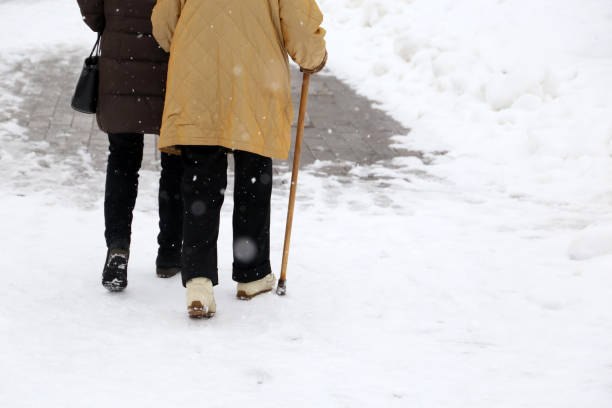
Extreme weather conditions can pose significant risks to seniors, who may be more vulnerable due to age-related health issues. Whether it’s a scorching heatwave, a freezing winter storm, or severe thunderstorms, understanding how to prepare and respond can make all the difference. In this article, we’ll explore practical tips for seniors to stay safe during extreme weather, ensuring they remain comfortable and protected.
Understanding the Risks of Extreme Weather
Why Are Seniors More Vulnerable?
As we age, our bodies undergo various changes that can affect our ability to cope with extreme weather. Factors contributing to increased vulnerability include:
- Decreased Thermoregulation: Older adults often have a reduced ability to regulate body temperature, making them more susceptible to heat-related illnesses or hypothermia.
- Chronic Health Conditions: Many seniors live with chronic conditions such as heart disease or diabetes, which can be exacerbated by extreme temperatures.
- Medications: Some medications can affect the body’s response to temperature changes, increasing the risk of heat exhaustion or hypothermia.
Preparing for Extreme Heat

1. Stay Hydrated
During hot weather, seniors should prioritize hydration. Dehydration can lead to serious health complications. Here are some tips:
- Drink Water Regularly: Aim for at least eight glasses of water a day, even if you don’t feel thirsty.
- Avoid Caffeine and Alcohol: Both can contribute to dehydration.
2. Create a Cool Environment
Keeping your living space cool is essential during heatwaves:
- Use Fans and Air Conditioning: If air conditioning is unavailable, consider visiting community centers or libraries that offer cooling stations.
- Close Blinds and Curtains: This helps block out the sun and keeps indoor temperatures lower.
3. Dress Appropriately
Wearing the right clothing can help regulate body temperature:
- Lightweight Fabrics: Choose loose-fitting clothes made from breathable materials like cotton.
- Light Colors: Opt for lighter colors that reflect sunlight rather than absorb it.
Preparing for Extreme Cold
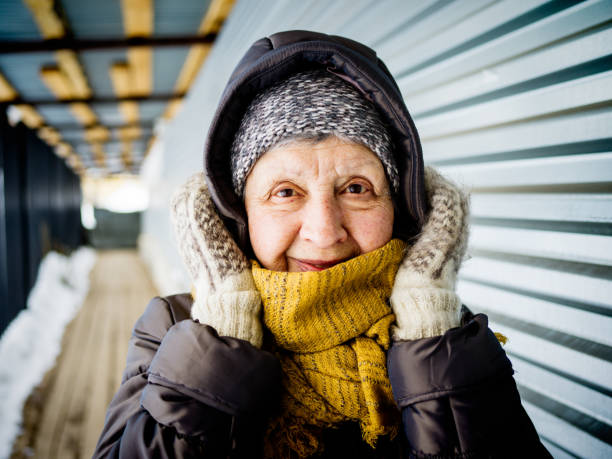
1. Dress in Layers
In cold weather, dressing in layers helps trap body heat:
- Base Layer: Wear thermal underwear close to the skin.
- Insulating Layer: Add sweaters or fleece for warmth.
- Outer Layer: Use waterproof and windproof jackets to protect against the elements.
2. Stay Indoors When Possible
Limit outdoor activities during severe cold spells. If you must go out:
- Limit Time Outside: Try to keep outdoor exposure brief.
- Stay Active Indoors: Engage in light exercises at home to keep warm.
READ ALSO: How In-Home Senior Care Promotes Independence and Safety
3. Monitor Heating Systems
Ensure that heating systems are functioning properly before winter arrives:
- Service Your Heater: Have your heating system checked by a professional annually.
- Use Space Heaters Safely: If using space heaters, keep them away from flammable materials and never leave them unattended.
Preparing for Severe Storms
1. Stay Informed
Being aware of weather conditions is crucial during severe storms:
- Use Weather Apps: Download reliable weather apps that provide real-time updates.
- Listen to Local News: Stay tuned to local news channels for alerts and warnings.
2. Create an Emergency Kit
Having an emergency kit on hand can be lifesaving during storms:
- Essentials: Include water, non-perishable food, medications, flashlight, batteries, and a first-aid kit.
- Communication Tools: Keep a battery-powered radio and ensure your phone is charged.
Additional Safety Tips for Seniors
1. Have a Support System
Building a network of friends, family, or neighbors can provide additional support during extreme weather events:
- Check-In Regularly: Arrange regular check-ins with loved ones who can assist if needed.
- Join Community Groups: Participate in local senior groups that offer support during emergencies.
2. Know Your Neighbors
Fostering relationships with neighbors can create a safety net:
- Create a Buddy System: Pair up with neighbors who can check on each other during extreme weather conditions.
READ ALSO: Time Management Tips for Caregivers Juggling Multiple Responsibilities
Recognizing Signs of Heat Exhaustion or Hypothermia
Being aware of symptoms related to extreme temperatures is crucial for early intervention:
Signs of Heat Exhaustion
- Heavy sweating
- Weakness or fatigue
- Dizziness or fainting
- Nausea or vomiting
- Headache
If experiencing these symptoms, move to a cooler place and hydrate immediately.
Signs of Hypothermia
- Shivering
- Confusion or memory loss
- Slurred speech
- Exhaustion
- Cold skin or pale complexion
Hypothermia is a medical emergency; seek help immediately if these symptoms occur.
The Importance of First Aid Training and Equipment
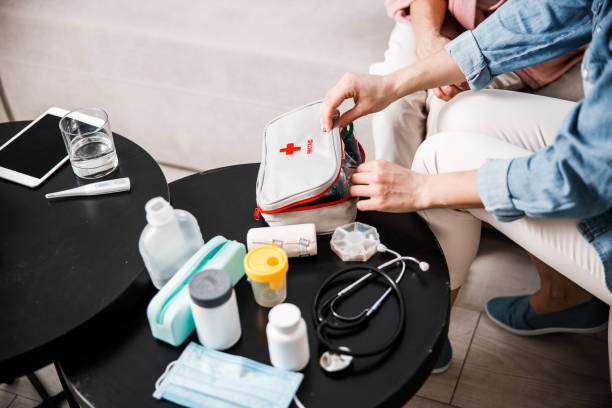
Having basic first aid knowledge can be invaluable during emergencies:
1. First Aid Kit Essentials
Ensure your first aid kit includes:
- Adhesive bandages
- Sterile gauze pads
- Antiseptic wipes
- Pain relievers (like acetaminophen)
- Emergency contact information
Regularly check your kit to ensure all items are up-to-date.
2. First Aid Training
Consider taking first aid training courses that focus on elderly care. This training will equip you with skills to handle emergencies effectively while understanding how to support seniors experiencing extreme weather conditions safely.
READ ALSO: How to Build a Support Network as a Family Caregiver
Conclusion
Extreme weather conditions pose unique challenges for seniors; however, with proper preparation and awareness, they can stay safe and comfortable. By staying hydrated in the heat, dressing appropriately in the cold, creating emergency kits for storms, and fostering supportive networks, seniors can navigate these challenges effectively. Remember that being proactive is key—by taking these steps now, you’ll be better prepared when extreme weather strikes.
FAQs
- What should seniors do during a heatwave?
Seniors should stay hydrated, remain indoors during peak heat hours, and use fans or air conditioning when possible. - How can I prepare my home for winter?
Ensure heating systems are serviced, dress in layers when going outside, and keep emergency supplies on hand. - What items should be included in an emergency kit?
Essential items include water, non-perishable food, medications, flashlight with batteries, first-aid supplies, and communication tools. - How often should I check my emergency supplies?
It’s advisable to check your emergency supplies at least twice a year to ensure everything is up-to-date and functional. - What are the signs of heat exhaustion?
Symptoms include heavy sweating, weakness or fatigue, dizziness or fainting, nausea or vomiting, and headache; immediate cooling measures should be taken if experienced.