
As our loved ones age, managing their health becomes increasingly important, particularly when it comes to medication. For many seniors, multiple prescriptions can lead to confusion, missed doses, or even dangerous interactions. This guide will explore effective strategies for managing medication for elderly loved ones, ensuring they receive the right treatment while minimizing risks.
Understanding the Importance of Medication Management
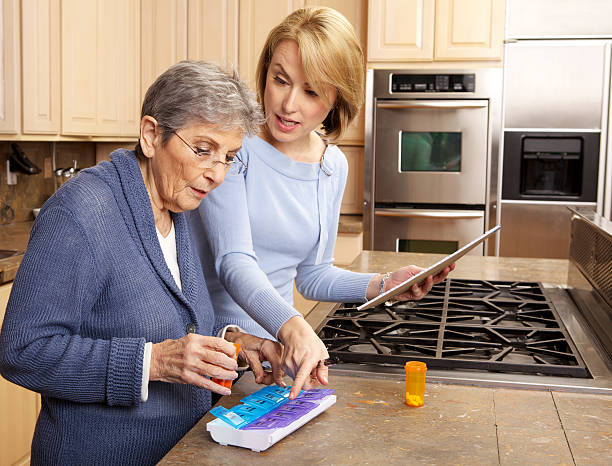
Why Medication Management Matters
Medication management is crucial for seniors because they often have chronic conditions requiring multiple medications. Proper management helps:
- Prevent Medication Errors: Mistakes can lead to serious health complications.
- Enhance Treatment Efficacy: Ensuring medications are taken correctly maximizes their benefits.
- Improve Quality of Life: Proper management can lead to better health outcomes and increased independence.
Common Challenges in Medication Management

Polypharmacy
Polypharmacy refers to the use of multiple medications by a patient, often leading to complex management issues. Seniors may be prescribed several drugs by different healthcare providers, increasing the risk of interactions and side effects.
READ ALSO: How In-Home Senior Care Promotes Independence and Safety
Forgetfulness
Memory lapses are common among older adults. Forgetting to take medications can lead to missed doses, which may worsen their health conditions.
Side Effects and Interactions
Seniors are often more sensitive to medications due to age-related changes in metabolism and organ function. Understanding potential side effects and interactions is essential for safe medication management.
Strategies for Effective Medication Management

1. Create a Medication List
Start by compiling a comprehensive list of all medications your loved one is taking, including:
- Prescription medications
- Over-the-counter drugs
- Supplements and herbal remedies
Include details such as dosage, frequency, and prescribing doctor. This list should be updated regularly and shared with all healthcare providers involved in their care.
2. Use Pill Organizers
Pill organizers are a practical tool for managing daily medication schedules. These containers come in various sizes and configurations:
- Daily Organizers: These hold enough pills for each day of the week.
- Weekly Organizers: These allow for planning out medications for an entire week.
Using an organizer can help ensure that your loved one takes the correct medication at the right time.
3. Set Reminders
Establishing reminders can help seniors remember when to take their medications. Consider these options:
- Alarm Clocks: Set alarms on traditional clocks or digital devices.
- Smartphone Apps: Many apps are designed specifically for medication reminders.
- Family Check-ins: Schedule regular calls or visits to remind them about their medications.
Involving Healthcare Providers

Regular Medication Reviews
Encourage regular reviews of your loved one’s medication regimen with their healthcare provider. This helps identify any unnecessary medications or potential interactions.
Communicate Changes
If there are any changes in your loved one’s health status or new symptoms arise, communicate these changes promptly to their healthcare provider. This ensures that any necessary adjustments to their medication can be made quickly.
READ ALSO: How to Build a Support Network as a Family Caregiver
Educating Your Loved One About Their Medications

Understanding Medications
Help your elderly loved one understand their medications by discussing:
- The purpose of each drug
- Potential side effects
- Importance of adherence to prescribed regimens
When seniors understand why they are taking their medications, they may be more likely to comply with their treatment plan.
Simplifying Instructions
Medication instructions can be complex. Simplify them by:
- Using clear language
- Breaking down instructions into easy-to-follow steps
- Providing written instructions that can be referenced later
Monitoring for Side Effects and Interactions
Keeping a Journal
Encourage your loved one to keep a journal documenting any side effects or unusual symptoms experienced after taking medications. This information can be invaluable during medical appointments.
Recognizing Signs of Adverse Reactions
Be aware of common signs that may indicate adverse reactions to medications:
- Unexplained fatigue or weakness
- Changes in mood or behavior
- Gastrointestinal issues like nausea or diarrhea
If you notice these symptoms, consult a healthcare provider immediately.
READ ALSO: Time Management Tips for Caregivers Juggling Multiple Responsibilities
Utilizing Technology for Medication Management

Medication Management Apps
Several apps are available that help manage medications effectively:
- Medisafe: This app sends reminders and tracks medication adherence.
- MyTherapy: Offers pill reminders along with health tracking features.
These tools can simplify the process and enhance compliance with medication schedules.
Telehealth Services
Telehealth services have become increasingly popular, allowing seniors to consult with healthcare providers from home. This is particularly beneficial for discussing medication concerns without the need for travel.
First Aid Equipment and Training
Having first aid supplies readily available is essential when managing an elderly loved one’s health:
Essential First Aid Supplies
Ensure your first aid kit includes:
- Adhesive bandages
- Sterile gauze pads
- Antiseptic wipes
- Pain relievers (like acetaminophen)
- Elastic bandages for sprains
- Ice packs
- Thermometer
Regularly check your kit to ensure all items are up-to-date.
Training
Consider taking first aid training courses that focus on elderly care. This training will equip you with skills to handle emergencies effectively while understanding how to support seniors experiencing chronic conditions safely.
Seeking Support from Family and Friends
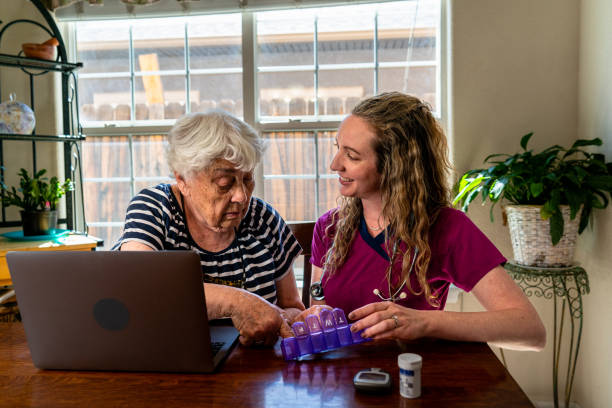
Encouraging family involvement can make a significant difference in managing medications effectively. Here’s how:
Establishing a Support Network
Create a network of family members who can help monitor medication adherence and provide reminders. Regular communication among family members ensures everyone is informed about the loved one’s health status and needs.
Sharing Responsibilities
Distributing responsibilities among family members can alleviate stress on any one individual. For example, one person might handle organizing pills while another manages appointments or communicates with healthcare providers.
READ ALSO: The Importance of Companionship for Seniors and How It Improves Mental Health
Conclusion
Managing medication for elderly loved ones is essential for promoting their health and well-being. By implementing effective strategies such as creating organized systems, utilizing technology, educating seniors about their medications, and involving family members in the process, caregivers can significantly reduce the risks associated with polypharmacy and improve treatment outcomes. Remember that open communication with healthcare providers is key in ensuring that your loved ones receive the best possible care as they navigate this important aspect of aging.
FAQs
- What should I do if my elderly loved one misses a dose?
If a dose is missed, check the medication instructions; if it’s close to the next dose, skip the missed dose—never double up without consulting a doctor. - How often should I review my loved one’s medications?
Regular reviews should occur at least once every six months or whenever there’s a change in health status or new prescriptions are added. - What tools can help manage multiple medications?
Pill organizers, smartphone apps, and alarm reminders are effective tools for managing multiple medications safely. - How do I know if my loved one is experiencing side effects?
Monitor for unusual symptoms such as fatigue, mood changes, or gastrointestinal issues; keeping a journal can help track these observations. - Is it necessary to involve healthcare providers in medication management?
Yes! Regular consultations with healthcare providers ensure that any potential interactions or side effects are addressed promptly and that the medication regimen remains appropriate as health needs change.