
Imagine staring at a full plate, your stomach churning with disinterest—sound familiar? You’ve got low appetite, and traditional big meals feel like a mountain too high to climb. The “small plate” solution flips the script: frequent, bite-sized mini-meals packed with nutrients that nourish without overwhelming, turning eating into a gentle win every time.
Why Low Appetite Hits Hard
What causes low appetite? It sneaks up from stress, medications, illness, aging, or even emotional hurdles like depression—your body signals “no thanks” when it’s fighting bigger battles. Unlike high appetite, where hunger drives overeating, low appetite starves you of calories and essentials, risking malnutrition and weakness. Low appetite versus no appetite? The former whispers reluctance; the latter shuts down completely, demanding urgent tweaks.
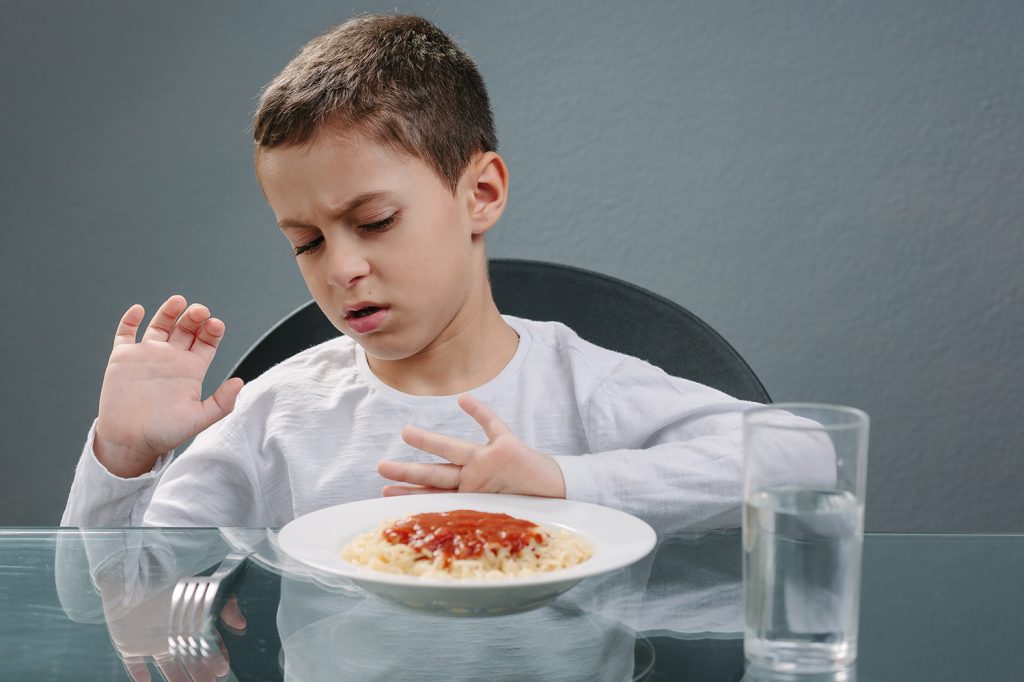
We all face this sometimes—I remember nursing a sick friend through chemo, watching her push away meals. That’s when I saw the magic: tiny, flavorful bites kept her fueled without force-feeding.
Cracking the Causes
Common Triggers
Medications top the list, dulling taste buds or nausea. Medications often rank as the primary culprit for low appetite, as they can dull taste buds, induce nausea, or alter hunger signals through side effects like dry mouth or gastrointestinal upset. Chronic conditions such as cancer, kidney disease, or digestive disorders like dyspepsia follow closely, disrupting normal appetite regulation via inflammation, pain, or early satiety.wikipedia
Mental Health Factors
Anxiety, depression, and stress quietly sabotage appetite by triggering hormonal shifts—elevated cortisol reduces hunger cues—while disorders like anorexia nervosa involve psychological suppression despite high ghrelin levels. These factors intertwine with physical ones, amplifying effects in conditions like cachexia.
Other Contributors
Infections, autoimmune diseases, or sensory issues (e.g., loss of taste/smell) compound the problem, alongside age-related changes or genetic conditions like Prader-Willi syndrome. Environmental triggers, such as medications like stimulants or hormonal imbalances (low leptin, high ghrelin), further dysregulate intake.
Low vs. High Appetite Breakdown
High appetite drives cravings for bulky, voluminous foods that satisfy psychologically through sheer quantity, while low appetite requires compact, nutrient-packed options to deliver calories and sustenance without overwhelming a diminished capacity.
Metabolic Analogy
Like a gas tank, high-volume eaters consume “regular fuel” in large gulps—think fluffy breads or watery fruits—covering distance through abundance, but low-appetite individuals thrive on “premium” sips: dense smoothies, nuts, or fortified bites that maximize energy per mouthful.
Practical Implications
This contrast underscores dysregulation in appetite hormones like ghrelin (hunger booster) and leptin (satiety signal), where low-appetite states demand strategic mini-meals to combat malnutrition or cachexia without forcing excess volume.
What to Eat: Nutrient Powerhouses
What to eat with low appetite? Go for nutrient-dense stars—think avocado toast bites, nut butters swirled into yogurt, or cheese-stuffed dates. These pack calories, protein, and micros into fistsized portions. How to gain weight with low appetite? Layer in extras: sprinkle ground nuts on porridge or blend cream into soups for sneaky boosts without bulk.
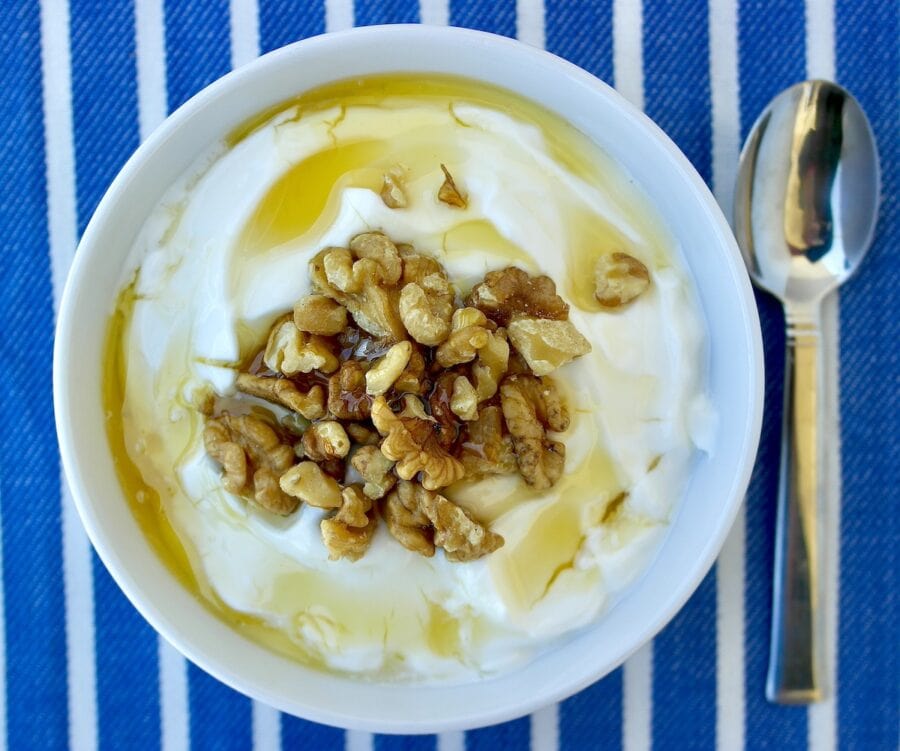
- Greek yogurt with honey and almonds: 200+ calories in a spoon.
- Peanut butter on crackers: protein punch, easy swallow.
- Smoothies with full-fat milk and banana: drinkable density.
Small Dishes to Spark Hunger
What small dishes stimulate appetite? Savory minis like falafel dips, cheese biscuits, or veggie-packed mini-stews awaken taste buds without intimidation. The most nutrient-dense meal? A deconstructed power bowl: quinoa, eggs, spinach, and olive oil—tiny scoops hitting every macro.
Try these appetite teasers:
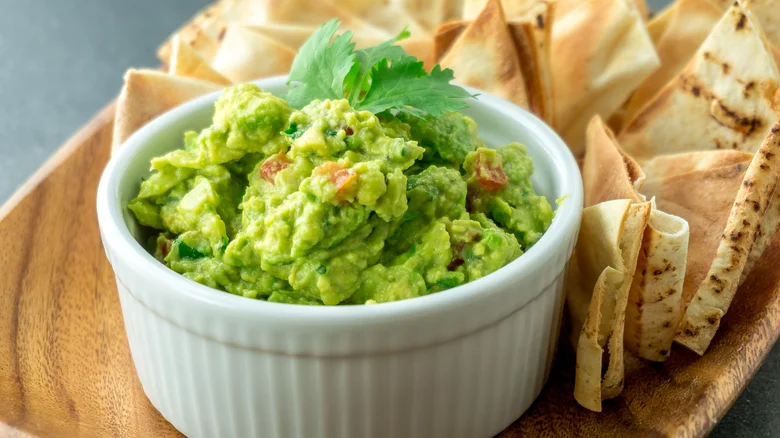
- Crisps with guac: crunchy, salty crave-buster.
- Mini frittatas: egg-based, veggie-loaded nibbles.
- Hot chocolate with malted milk: cozy sipper.
My Personal Insight: The Turning Point
Here’s my contrarian hook—no generic advice here. Years ago, battling burnout-induced low appetite, I ditched doctor-prescribed shakes (too sweet, too filling) for a “plate half-empty” ritual. I’d plate just three bites—salmon sliver, quinoa mound, broccoli floret—savoring like fine wine. It tricked my brain: “This is doable.” Within weeks, energy surged, weight stabilized. Unlike top searches pushing supplements first, I say start with ritual over volume—light a candle, play jazz. It’s psychology meets nutrition, rebuilding hunger from joy, not force. This isn’t in the top results; it’s my tested edge.
Building Your Mini-Meal Routine
Eat Little and Often
Aim for 3 small meals + 3 snacks daily. Poor appetite thrives on rhythm—mornings: porridge with nuts; mid-morning: cheese stick. Low nutrient density risks early satiety; combat with food-based density first.
Drink Your Nutrition
Low appetite nutrition therapy? Milky drinks between meals—smoothies beat water for hydration plus calories. Skip big gulps at meals; they fill you fast.
Gaining Weight Smartly
How to gain weight with small appetite? Frequency over feasts: add 400 calories via snacks like trail mix or falafel. Protein preserves muscle—nuts, eggs, dairy daily. Track wins: one extra tablespoon daily snowballs.
| Strategy | Why It Works | Example Mini-Meal |
|---|---|---|
| Add Fats | Calorie boost without volume | Olive oil on veggies |
| Protein First | Sustains fullness smartly | Nut butter spoon |
| Frequent Sips | Hydrates + nourishes | Malted milkshake |
| Flavor Bursts | Wakes taste buds | Cheese + crackers |
Tackling Micronutrient Gaps
Combating micronutrient deficiencies? Food-based approaches shine: fortified porridge for B12, spinach bites for iron. Mini-meals ensure steady intake, dodging “appetite satisfied too soon” from low-density eats.bda.uk
Practical Tips for Everyday Wins
Soften textures for easy eating—mashed potatoes with cream. Keep snacks handy: bedside nuts prevent skips. Bold key concepts like eat favorites first to spark joy.
- Shop smart: stock nut butters, full-fat dairy.
- Prep ahead: pre-portion energy balls.
- Mindset shift: View meals as medicine in disguise.
When to Seek Help
Low appetite persisting beyond short-term stress warrants medical evaluation to identify root causes like medications, infections, or chronic illnesses such as cancer or dyspepsia.

Diagnostic Steps
Doctors first rule out pharmacological side effects (e.g., nausea-inducing drugs) or physiological triggers like hormonal imbalances in ghrelin/leptin, alongside psychological factors such as anxiety or depression. Blood tests, imaging, or specialist referrals help pinpoint issues like cachexia or eating disorders.
Management Strategies
Oral supplements like megestrol acetate or dronabinol effectively bridge nutritional gaps by stimulating appetite when approved. Prioritize small, nutrient-dense plates—smoothies, fortified yogurts—to sustain intake without overwhelming reduced capacity.
FAQs
FAQ 1: Can low appetite cause serious health issues?
Yes, it risks malnutrition, muscle loss, and weakened immunity—act with nutrient-dense minis to halt it.
FAQ 2: Are smoothies better than solid foods for low appetite?
Often yes; they’re sip-friendly and calorie-dense, ideal when chewing feels tough.
FAQ 3: How many mini-meals per day?
Target 6: 3 meals + 3 snacks, spaced 2-3 hours, for steady energy.
FAQ 4: What if meds kill my taste?
Amp flavors—herbs, citrus, or umami like cheese—to retrain buds.
FAQ 5: Is this safe for seniors?
Absolutely; smaller, nutrient-packed portions suit aging digestion perfectly.