Cooking for one gets a bad rap.
It’s often framed as sad, inconvenient, or not “worth the effort.” And if you’ve ever stared into your fridge thinking, Why am I chopping an onion just for myself?, I get it.
But here’s the truth I’ve learned—both personally and professionally: cooking for one can be one of the most freeing, creative, and nourishing habits you build. The trick isn’t cooking less. It’s cooking smarter—and pairing efficiency with intentional social connection.
This guide is designed to be the most complete resource on cooking for one without the loneliness. We’ll combine batch cooking strategies, flexible planning, and social meal ideas that help you eat well and feel connected.
If you’ve ever searched for easy cooking for one, lazy dinner for one, or simple meals for one person for a week, you’re in the right place. Let’s reframe solo cooking as a skill, not a compromise.
Search Intent & Core Questions We’ll Answer
Before we dive in, here are the key question clusters this article naturally answers, based on real search behavior:
Practical / How-To Intent
- cooking for one ideas
- easy cooking for one
- cooking for one crock pot
- simple meals for one person for a week
- what is the best way to cook for one person?
Emotional / Lifestyle Intent
- how to embrace cooking for one
- lazy dinner for one
- home alone dinner theme
Foundational Knowledge
- cooking for one healthy
- what are the 5 P’s of cooking?
Rather than listing answers, we’ll weave them into real-life strategies you can actually use.
Why Cooking for One Feels Hard (and Why It Doesn’t Have to)
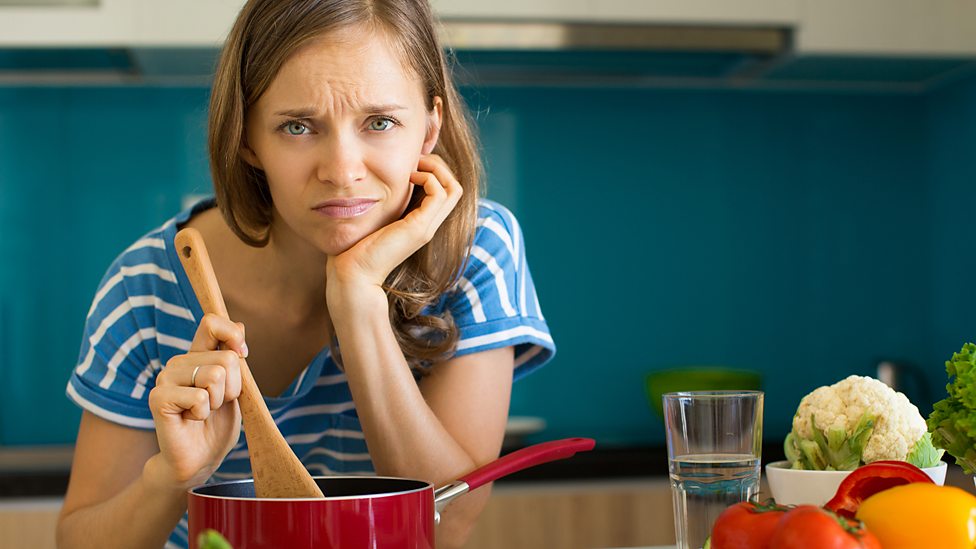
Let’s name the real issue: it’s not the cooking—it’s the emotional math.
We subconsciously calculate effort vs. reward. When you’re cooking for a family or partner, the reward feels multiplied. Cooking for yourself can feel like a net loss.
But that mindset misses something important.
Cooking for one gives you:
- Complete control over taste and timing
- Freedom to experiment without judgment
- The ability to eat exactly what your body needs
The problem isn’t solo cooking.
The problem is using family-sized systems for a one-person life.
The Foundation: The Best Way to Cook for One Person
So what is the best way to cook for one person?
In short: batch components, not full meals.
Instead of cooking seven separate dinners or eating the same thing all week, you prep building blocks that can be recombined.
Think of it like LEGO bricks instead of finished sculptures.
The 5 P’s of Cooking (Reframed for One)
You may have heard of the 5 P’s of cooking. Let’s adapt them for solo life:
- Plan – Decide on 2–3 anchor proteins and vegetables per week
- Prep – Batch-cook components, not recipes
- Portion – Store food in single-serve containers
- Preserve – Use your freezer strategically
- Pivot – Remix leftovers into new meals
This framework alone solves 80% of cooking-for-one frustration.
Batch Cooking Without the Boredom

Most times, Batch cooking gets a bad reputation because people do it wrong.
Eating chili five nights in a row isn’t efficient—it’s punishing.
The Component Batch Method
Instead, batch:
- 1–2 proteins (roasted chicken thighs, lentils, tofu, pulled pork)
- 2 vegetables (roasted broccoli, sautéed peppers, greens)
- 1 starch (rice, quinoa, potatoes)
From there, you mix and match:
- Bowl one night
- Wrap the next
- Soup or stir-fry later
Same ingredients. Completely different meals.
Cooking for One Crock Pot Strategy
Slow cookers are a secret weapon for solo cooks.
Here’s how to use them without drowning in leftovers:
- Choose recipes that freeze well (soups, shredded meats, stews)
- Portion immediately after cooking
- Freeze half before you get tired of it
Future-you will thank you.
Cooking for One, But Make It Healthy
Healthy cooking for one isn’t about restriction. It’s about reducing friction.
When healthy food is already cooked, you eat it.
Healthy Solo Staples to Always Have Ready
- Washed greens
- Cooked grains
- A protein you enjoy cold and hot
- One “fun” sauce (pesto, tahini, chimichurri)
Nutrition doesn’t come from perfection.
It comes from availability.
Easy and Lazy Dinners for One (No Shame Allowed)
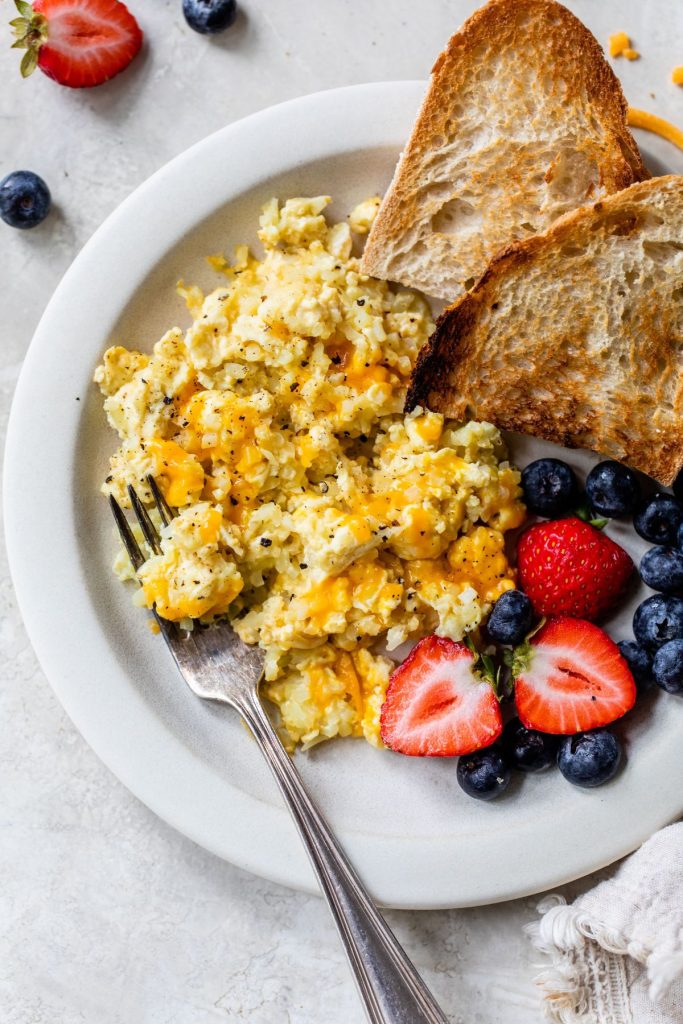
Some nights, cooking feels like too much. That’s normal.
Lazy doesn’t mean unhealthy or boring.
Lazy Dinner for One Ideas
- Scrambled eggs + toast + fruit
- Store-bought rotisserie chicken + salad kit
- Frozen dumplings + steamed vegetables
- Peanut butter noodles
The goal isn’t to impress anyone.
It’s to eat and move on with your life.
Simple Meals for One Person for a Week (Realistic Edition)
Here’s what a flexible week might look like:
- Monday: Grain bowl with roasted veg and protein
- Tuesday: Same ingredients, turned into a wrap
- Wednesday: Stir-fry using leftovers
- Thursday: Soup made from remaining components
- Friday: Eggs or freezer meal
- Weekend: One “fun” or social meal
Notice the theme?
You’re not cooking every day. You’re assembling.
Embracing Cooking for One (The Mindset Shift)
This is where most articles stop short.
Cooking for one isn’t just a logistics problem—it’s an identity shift.
Writer’s Personal Insight: The “Client Mindset” Trick
In my work helping people design sustainable habits, I’ve noticed something fascinating: people treat others better than they treat themselves.
So here’s a trick that changed everything for me.
When I cook for myself, I imagine I’m cooking for:
- A future version of me
- A client I care about
- A guest arriving later
That mental shift turns cooking into an act of respect, not obligation.
You deserve the same effort you’d give anyone else.
Social Meal Ideas That Break the Isolation
Cooking for one doesn’t mean eating alone forever.
You just need intentional friction—small structures that create connection.
Low-Effort Social Food Strategies
- Cook once, share once: Invite a friend over monthly
- Meal swap: Trade portions with neighbors or coworkers
- Virtual dinner: Eat the same meal over video
- Community tables: Potlucks, clubs, classes
Food is a connector—but only if you design for it.
The “Home Alone Dinner” Theme Night
One of my favorite ideas?
Make solo dinners an event.
Try themes like:
- Breakfast for dinner
- Childhood comfort food
- One-country night (Italian, Korean, Mexican)
- Eat-with-your-hands night
When the meal has a story, loneliness fades into the background.
Tools That Make Cooking for One Easier
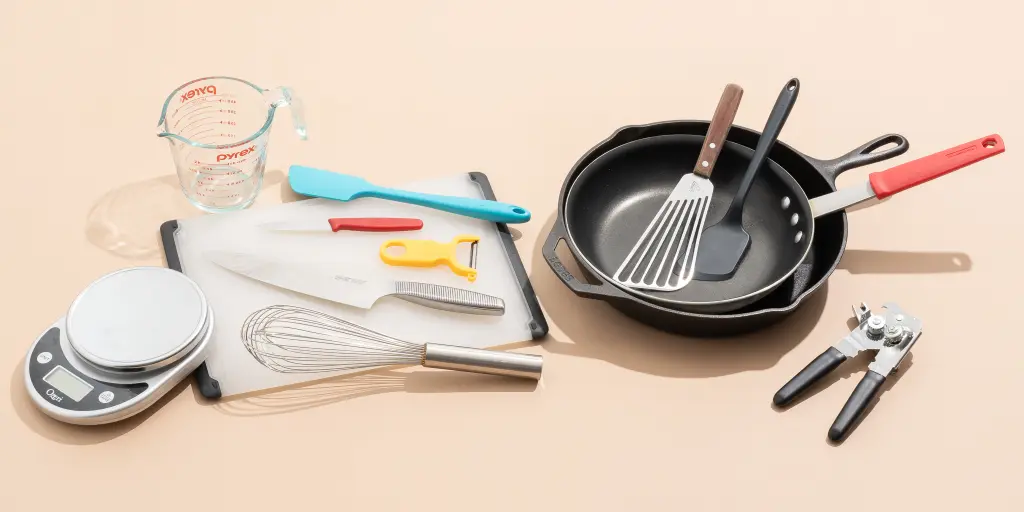
You don’t need fancy gadgets, but a few tools help:
- Freezer-safe containers (single portions)
- A small sheet pan
- A good nonstick skillet
- A slow cooker or Instant Pot
Efficiency reduces emotional resistance.
Common Mistakes to Avoid When Cooking for One
Let’s save you some frustration.
Avoid:
- Cooking family-sized recipes without a plan
- Skipping seasoning because “it’s just me”
- Treating leftovers like a punishment
- Expecting every meal to be exciting
Consistency beats novelty every time.
Bringing It All Together
Cooking for one isn’t about shrinking your life.
It’s about designing systems that support it.
When you:
- Batch components instead of meals
- Keep healthy food accessible
- Allow lazy dinners
- Build in social touchpoints
You transform solo cooking from lonely to empowering.
And maybe—just maybe—you start to enjoy it.
FAQs
FAQ 1: What is the best way to cook for one person?
The best way is to batch-cook flexible components (proteins, vegetables, grains) and recombine them into different meals throughout the week.
FAQ 2: How do I embrace cooking for one without feeling lonely?
Shift the mindset from “just me” to self-care, and intentionally create social food moments like shared meals or themed solo dinners.
FAQ 3: Is cooking for one healthy?
Yes—often healthier, because you control ingredients and portions. The key is having prepped food ready so convenience doesn’t override nutrition.
FAQ 4: What are good lazy dinners for one?
Eggs, frozen dumplings, rotisserie chicken, simple pasta, or leftovers reinvented with a sauce all work beautifully.
FAQ 5: How can I use a crock pot when cooking for one?
Choose freezer-friendly recipes, portion immediately after cooking, and freeze half to avoid burnout.