Let’s start with the question people quietly Google at 2 a.m.:
“How do you hydrate when you’re not thirsty?”
Because this isn’t about forgetting a water bottle at the gym. It’s about kids, teens, older adults, busy students, caregivers, or even yourself—people who genuinely don’t feel the urge to drink. You can remind, nag, beg, or lecture about dehydration… and still watch the glass sit untouched.
Here’s the core truth most hydration advice misses:
thirst is not a reliable hydration signal for everyone.
Some people have weaker thirst cues, Some dislike plain water, Some are distracted, anxious, medicated, or simply not wired to sip all day. If we rely on “just drink more water,” we fail them.
This guide takes a different approach.
Instead of forcing water, we’ll design hydration—making fluids fun, flavorful, sneaky, and automatic. We’ll explore drinks that aren’t water, foods that hydrate without feeling like a chore, and habits that work even when thirst never shows up.
Why Some People Struggle to Drink Water at All
Before we fix hydration, we need to understand the resistance.
When people ask, “Why do I struggle to drink water?”, the answers usually fall into a few buckets:
- Weak thirst signals (common in kids, teens, and older adults)
- Dislike of plain water (taste, temperature, texture)
- Executive function challenges (forgetting, distraction)
- Fear of bathroom trips (school, work, long days)
- Emotional associations (being forced to drink)
This is not stubbornness.
It’s biology, psychology, and environment colliding.
So the solution isn’t pressure.
It’s creativity.
How to Hydrate When You’re Not Thirsty (The Big Picture)
If thirst won’t do the job, we use three alternative drivers:
- Flavor – make fluids desirable
- Habit – remove decision-making
- Food – hydrate indirectly
Think of hydration like brushing your teeth. You don’t wait until your teeth ask to be brushed. You build it into the day.
When Water Is the Problem (And That’s Okay)
One of the most common searches is:
“I don’t like water—what can I drink instead?”
Good news: hydration does not require loving plain water.
Hydrating Drinks That Aren’t Plain Water
You can meet fluid needs with:
- Herbal teas (hot or iced)
- Diluted fruit juice (½ juice, ½ water)
- Sparkling water with flavor
- Milk or plant-based milk
- Brothy soups
- Smoothies
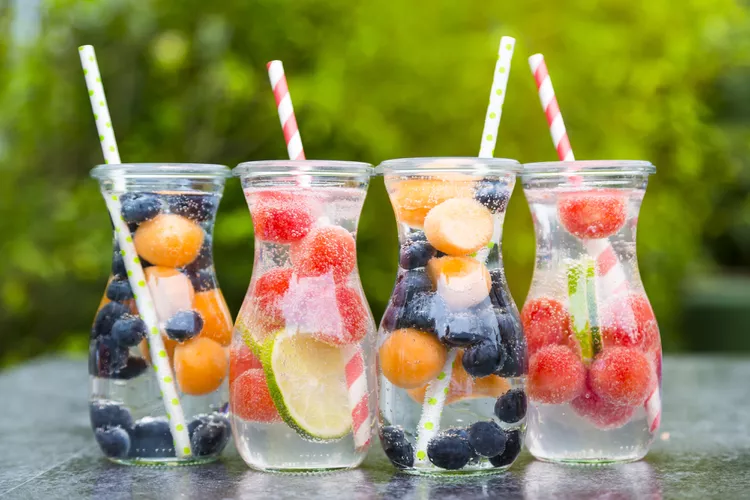
If it’s mostly liquid and low in dehydrating ingredients, it counts.
Hydration is about total fluid intake, not purity tests.
Making Water More Appealing Without Turning It Into Soda
For those who could drink water if it tasted better, infusion is your best friend.
Creative Ways to Infuse Water at Home
Skip the sad lemon wedge. Think sensory.
Try:
- Cucumber + mint
- Orange + cinnamon stick
- Frozen berries + basil
- Watermelon + lime
- Ginger + peach
Cold infusion overnight creates subtle flavor without sugar overload.
Here’s the trick most people miss:
use scent as much as taste. Aroma primes the brain to want a sip.
Hacks to Drink More Water Without Thinking About It
When someone won’t drink intentionally, we switch to passive hydration.
Environmental Hydration Tricks
- Keep drinks visible (out of sight = out of mind)
- Use a favorite cup or bottle
- Match temperature preference (ice-cold vs. warm)
- Pair sipping with habits (after bathroom, before screens)
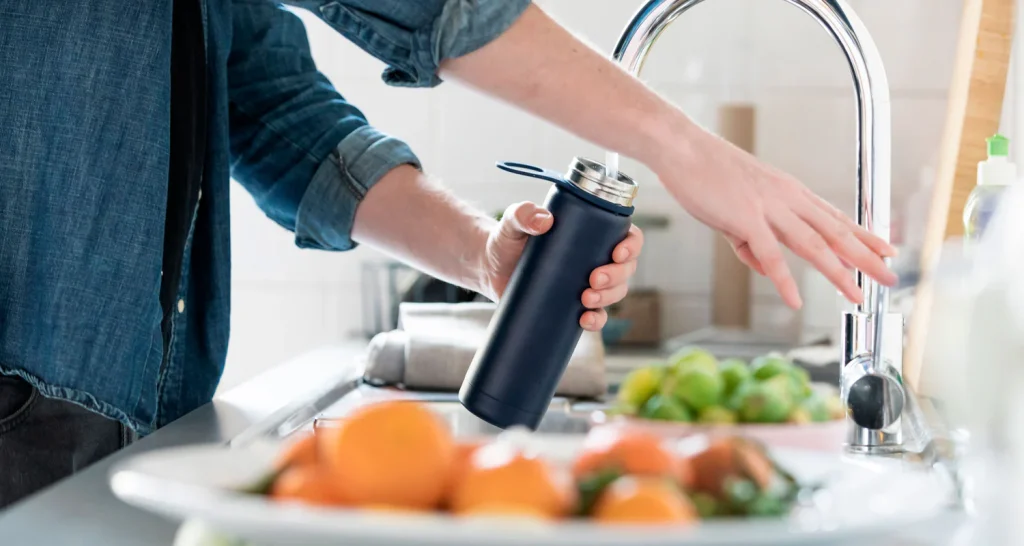
Hydration succeeds when it stops being a decision.
Smart Tools That Actually Help (When Used Right)
Searches like “hydration reminder apps” and “best smart water bottles” exist for a reason—but tools only work if they reduce friction.
How to Use Hydration Reminder Apps Effectively
Apps fail when they:
- Interrupt randomly
- Feel nagging
- Ignore routine
They succeed when:
- Reminders are tied to daily anchors
- Goals are flexible, not rigid
- Feedback feels encouraging
Set reminders after meals, not every hour.
Smart Water Bottles: Helpful or Hype?
They’re useful for:
- Data-oriented people
- Teens who like gamification
- Visual learners
They’re less helpful for people who already resent reminders.
Tools should support motivation—not replace it.
Hydration Through Food: The Sneaky Superpower
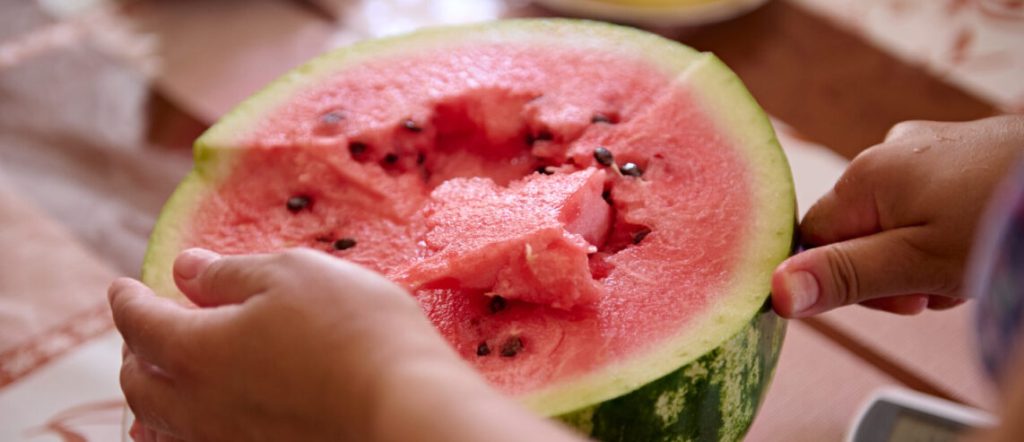
This is where hydration gets fun.
If drinking is a struggle, eat your fluids.
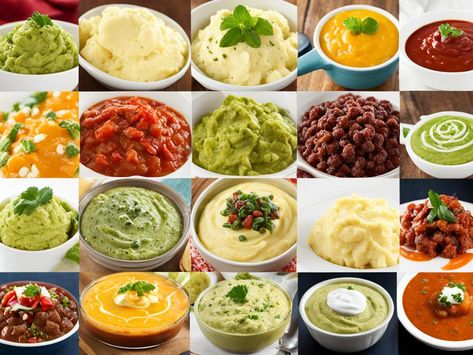
High-Water-Content Foods That Count
Many foods are over 80–90% water:
- Watermelon
- Oranges
- Cucumbers
- Yogurt
- Applesauce
- Soups and stews
A bowl of soup hydrates more reliably than a lecture about water.
Hydrating Meals That Don’t Feel “Healthy”
Hydration sticks when it doesn’t feel medicinal.
Examples:
- Smoothie bowls
- Popsicles made from juice or yogurt
- Ramen or noodle soups
- Fruit with whipped yogurt dip
Fluids wrapped in pleasure go down easier—literally and emotionally.
How to Hydrate Someone Who Won’t Drink Water
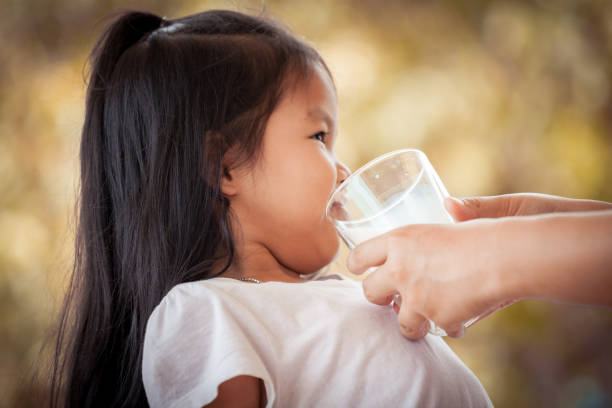
This question shows up constantly, especially from caregivers.
Here’s the honest answer:
You can’t force hydration—you can design it.
Strategies That Work Better Than Nagging
- Offer choices, not commands
- Use small portions more often
- Normalize sipping together
- Model hydration casually
People resist control. They respond to invitation.
Encouraging Fluids Without Power Struggles
If hydration turns into a battle, everyone loses.
Try reframing:
- “Want to try this flavor?” instead of “You need to drink.”
- “Let’s have soup” instead of “You’re dehydrated.”
Connection hydrates better than correction.
A Contrarian Insight: Thirst Isn’t the Villain
Here’s a perspective you won’t see in most hydration articles:
The goal isn’t to feel thirsty less—it’s to rely on thirst less.
Modern life trains us to override body signals. Screens distract. Stress blunts appetite. Schedules suppress bathroom breaks.
So instead of waiting for thirst (which may never come), we outsource hydration to structure.
That’s not weakness.
That’s adaptation.
Hydration for Teens, Kids, and “I’m Too Busy” People
Younger people and busy minds share a trait: they forget.
Hydration for Distracted Brains
What works:
- Flavored drinks
- Straws (they increase intake)
- Smoothies
- Soups
- Popsicles
What doesn’t:
- Long explanations
- Guilt-based messaging
- “Just remember” advice
Design beats discipline.
Signs Hydration Is Improving (Even Without Thirst)
You don’t need to track ounces obsessively.
Look for:
- Lighter urine color
- Better energy
- Fewer headaches
- Improved focus
Hydration shows up quietly—but consistently.
Common Hydration Myths Worth Letting Go
Let’s clear the clutter.
- ❌ You must drink plain water
- ❌ You must feel thirsty
- ❌ Coffee cancels hydration completely
- ❌ One-size-fits-all water goals
Hydration is personal. Flexibility is strength.
Putting It All Together: The Hydration Hero Framework
Here’s the big picture:
- Flavor over force
- Food over lectures
- Habits over willpower
- Design over discipline
When someone “just isn’t thirsty,” hydration doesn’t fail because they don’t care. It fails because the system isn’t built for them.
Change the system—and hydration follows.
Conclusion: Hydration That Meets People Where They Are
Hydration isn’t about winning a battle against resistance.
It’s about becoming a hydration hero—someone who adapts, experiments, and makes fluid intake feel natural instead of forced.
When you:
- Offer appealing alternatives
- Build hydration into routines
- Use food creatively
- Let go of rigid rules
You turn hydration from a daily struggle into a quiet success.
And the best part?
It works even when thirst never shows up.
FAQs
FAQ 1: How much should someone drink if they’re never thirsty?
There’s no universal number. Focus on consistent fluid intake across the day and hydration signs like urine color and energy levels.
FAQ 2: Does tea or juice really count as hydration?
Yes. Most fluids contribute to hydration, especially when diluted and low in caffeine or alcohol.
FAQ 3: Are hydration apps worth it?
They can help some people, especially those who like reminders and tracking—but they’re not necessary for success.
FAQ 4: What’s the easiest way to hydrate kids or teens?
Flavored drinks, smoothies, soups, and popsicles work far better than plain water alone.
FAQ 5: Can you hydrate mostly through food?
Partially, yes. High-water foods can significantly support hydration, especially when drinking is difficult.