As we age, everyday tasks like using the bathroom can become challenging. Limited mobility, whether due to age-related changes or specific medical conditions, makes it essential to create a safe and functional environment. If you’re wondering how to adapt a small bathroom for an elderly loved one with limited mobility, you’re in the right place. Let’s dive into practical, space-saving solutions that combine comfort, safety, and style.
Why Small Bathrooms Need Special Attention
Small bathrooms often lack the space needed for easy maneuverability, which can make them hazardous for elderly individuals. Tight corners, slippery floors, and hard-to-reach fixtures can pose significant risks. However, with the right adaptations, you can transform even the smallest bathroom into a safe and user-friendly space.
Sleep Hygiene 101: Creating a Restful Environment for Better Rest
Key Considerations for Bathroom Adaptations
Before you start, consider these factors:
- Safety: Minimize slip and fall risks.
- Accessibility: Ensure all fixtures are easy to reach and use.
- Comfort: Incorporate features that reduce strain on joints and muscles.
- Space Utilization: Make the most of every square inch.
Start with the Basics: Decluttering
The first step is decluttering. Remove unnecessary items and furniture to free up space. This creates a more open and accessible environment, reducing tripping hazards and making navigation easier.
Non-Slip Flooring: A Must-Have
Slippery floors are a leading cause of bathroom accidents. Install non-slip tiles or adhesive strips to provide extra grip. If replacing flooring isn’t an option, consider adding non-slip mats or rugs with rubber backings.
Grab Bars: Stability Where It Matters
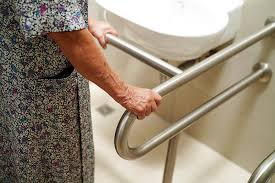
Grab bars are essential for providing support and stability. Install them:
- Near the toilet for easier sitting and standing.
- In the shower or bathtub to prevent slips.
- Along walls for additional support.
Ensure the bars are securely anchored to withstand weight and pressure.
Walk-In Showers: A Game-Changer
If possible, replace the traditional bathtub with a walk-in shower. They eliminate the need to step over high ledges, reducing the risk of falls. For extra safety, include:
- Foldable shower seats: For those who need to sit while bathing.
- Handheld showerheads: Easier to use and more flexible.
Raised Toilet Seats
A raised toilet seat reduces the effort required to sit down and stand up. Look for models with side handles for added support. These are especially useful in small bathrooms where grab bars may not fit.
Compact Vanity Units
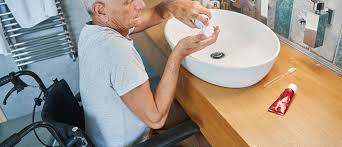
Choose compact, wall-mounted vanities to free up floor space. Look for designs with rounded edges to prevent injuries. Ensure the sink height is suitable for elderly users, especially those in wheelchairs.
Easy-to-Use Faucets
Traditional twist knobs can be difficult for arthritic hands. Replace them with:
- Lever handles: Easier to turn.
- Touchless faucets: Activated by motion sensors, reducing effort.
Adequate Lighting
Poor lighting can lead to accidents. Improve visibility by:
- Installing bright, glare-free LED lights.
- Adding motion-sensor nightlights for nighttime use.
- Using contrasting colors to distinguish fixtures from walls and floors.
Door Modifications
Standard bathroom doors may be too narrow for wheelchairs or walkers. If feasible, widen the doorway. Sliding doors are another great option, as they save space and are easier to opera.
The Importance of Companionship for Seniors and How It Improves Mental Health
Storage Solutions
Install open shelves or wall-mounted cabinets to keep essentials within reach. Avoid overhead storage that requires stretching or climbing.
Shower Safety Features
Equip the shower area with additional safety features, such as:
- Anti-scald valves: To maintain a consistent water temperature.
- Slip-resistant flooring: For added grip.
Emergency Alert Systems
Install a waterproof emergency pull cord or button in the bathroom. In case of a fall or emergency, the elderly person can quickly alert caregivers or family members.
Ventilation
Proper ventilation reduces moisture, which can make surfaces slippery and promote mold growth. Use exhaust fans or dehumidifiers to keep the bathroom dry.
Mirrors and Accessories
Opt for adjustable or tilt mirrors, which are more accessible for wheelchair users. Avoid sharp-edged accessories, and choose shatterproof materials wherever possible.
Professional Installation
For more complex adaptations like installing grab bars or walk-in showers, consider hiring professionals. Proper installation ensures safety and durability.
Budget-Friendly Tips
Adapting a bathroom doesn’t have to break the bank. Here are some cost-effective ideas:
- Use adhesive grab bars as temporary solutions.
- Install non-slip mats instead of replacing flooring.
- Look for second-hand or refurbished mobility aids.
Personalizing the Space
A functional bathroom can still feel warm and inviting. Add personal touches like:
- Soft, absorbent towels in favorite colors.
- Framed photos or simple artwork.
- Scented candles or air fresheners for a pleasant ambiance.
Conclusion
Adapting a small bathroom for elderly individuals with limited mobility requires thoughtful planning and attention to detail. By focusing on safety, accessibility, and comfort, you can create a space that meets their needs without compromising on style. Remember, even small changes can make a big difference.
FAQs
1. What are the most important features for a senior-friendly bathroom?
Safety features like non-slip flooring, grab bars, and proper lighting are crucial. Accessibility elements, such as walk-in showers and raised toilet seats, also enhance usability.
2. How can I make a small bathroom wheelchair-accessible?
Consider widening the doorway, installing a roll-in shower, and using wall-mounted sinks. Remove obstacles to ensure smooth navigation.
3. Are there affordable ways to adapt a bathroom for the elderly?
Yes! Simple solutions like non-slip mats, adhesive grab bars, and raised toilet seats are budget-friendly and effective.
4. Can I install grab bars myself?
While DIY installation is possible, professional installation is recommended to ensure the bars are securely anchored.
5. What type of lighting is best for elderly users?
Bright, glare-free LED lighting is ideal. Motion-sensor nightlights are also helpful for nighttime use.