

As we age, the importance of maintaining cognitive health becomes increasingly evident. Memory loss is a common concern among the elderly, often leading to anxiety and decreased quality of life. However, engaging in cognitive exercises can significantly help in preventing memory decline and enhancing overall brain function. In this article, we’ll explore various cognitive exercises, their benefits, and how they can be effectively integrated into the daily lives of seniors.
READ ALSO: Signs Your Aging Parent May Need Additional Support at Home
Understanding Memory Loss
What Causes Memory Loss?
Memory loss in elderly individuals can stem from various factors, including:
- Normal Aging: As we age, our brains naturally undergo changes that can affect memory.
- Medical Conditions: Diseases like Alzheimer’s and other forms of dementia can lead to significant memory loss.
- Stress and Anxiety: High stress levels can impair cognitive function and memory retention.
- Poor Nutrition: A diet lacking essential nutrients can negatively impact brain health.
The Importance of Cognitive Health
Cognitive health is crucial for maintaining independence and quality of life. Engaging the brain through various activities helps preserve mental function and can even enhance emotional well-being. Just as physical exercise strengthens muscles, cognitive exercises fortify neural connections.
The Role of Cognitive Exercises
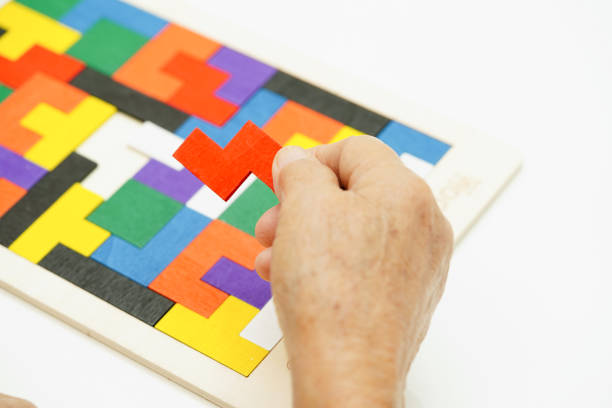
What Are Cognitive Exercises?
Cognitive exercises are activities designed to stimulate the brain, improve mental agility, and enhance memory. These exercises can range from puzzles and games to more structured activities like learning new skills or languages.
Benefits of Cognitive Exercises
Engaging in regular cognitive exercises offers numerous benefits:
- Improved Memory: Regular mental challenges help strengthen memory recall.
- Enhanced Problem-Solving Skills: Cognitive exercises promote critical thinking and adaptability.
- Increased Brain Plasticity: Challenging the brain encourages the formation of new neural connections.
- Better Mood: Mental engagement can lead to increased feelings of accomplishment and satisfaction.
Types of Cognitive Exercises
1. Puzzles and Games
Puzzles such as crosswords, Sudoku, and jigsaw puzzles are excellent for stimulating the mind. These activities require concentration, problem-solving skills, and memory recall.
Example: In countries like the United States, many elderly individuals enjoy participating in weekly crossword puzzle clubs at community centers, fostering social interaction while keeping their minds sharp.
2. Memory Games
Memory games involve matching pairs or recalling sequences. These games can be played with cards or through digital platforms.
Example: Apps like Lumosity offer tailored memory games designed for seniors, making it easy for them to engage with technology while exercising their brains.
READ ALSO: The Importance of Companionship for Seniors and How It Improves Mental Health
3. Learning New Skills
Taking up a new hobby or learning a new skill can be incredibly beneficial for cognitive health. This could include learning a musical instrument, painting, or even coding.
Example: In Canada, seniors are increasingly enrolling in community classes to learn digital skills, helping them stay connected while keeping their minds active.
4. Reading and Writing
Reading books or writing journals stimulates the brain by encouraging comprehension and creativity. Discussing books with others also enhances social interaction.
Example: Book clubs have become popular among older adults in Australia, where members not only read but also engage in discussions that challenge their thinking.
Incorporating Cognitive Exercises into Daily Life

Setting a Routine
Establishing a routine that includes cognitive exercises is essential for consistency. Aim for at least 30 minutes a day dedicated to mental activities.
Making It Social
Incorporating social elements into cognitive exercises can enhance motivation. Joining clubs or groups focused on puzzles, reading, or games encourages interaction while exercising the mind.
Utilizing Technology
Many apps and online platforms offer engaging cognitive exercises tailored for seniors. These tools make it easy to practice mental skills anytime and anywhere.
Nutritional Support for Cognitive Health

Brain-Boosting Foods
A balanced diet rich in antioxidants, healthy fats, vitamins, and minerals supports brain health. Foods such as:
- Berries: Rich in antioxidants that may improve communication between brain cells.
- Fatty Fish: High in omega-3 fatty acids essential for brain function.
- Leafy Greens: Provide vitamins that support cognitive function.
Hydration Matters
Staying hydrated is equally important for cognitive health. Dehydration can lead to confusion and impaired memory. Encourage regular water intake throughout the day.
Recognizing Signs of Memory Decline
Early Warning Signs
Being aware of early signs of memory decline is crucial:
- Frequently forgetting recent conversations or events.
- Difficulty following conversations or losing track of thoughts.
- Misplacing items more often than usual.
Recognizing these signs early allows for timely intervention through cognitive exercises and lifestyle adjustments.
READ ALSO: Different Types of Senior Care Services and Which One is Right for You
Success Stories from First World Countries
In many first-world countries, innovative programs are being implemented to promote cognitive health among seniors:
- United States: Many retirement communities offer structured cognitive training programs that include puzzles, games, and classes aimed at enhancing memory.
- United Kingdom: The “Dementia Friends” initiative educates communities about dementia while promoting activities that stimulate cognitive engagement among seniors.
- Australia: Programs like “MindGames” provide online platforms where seniors can participate in daily brain training exercises tailored to their skill levels.
Overcoming Barriers to Engagement
Addressing Physical Limitations
For seniors with mobility issues or other physical limitations, finding accessible ways to engage in cognitive exercises is vital. Consider seated activities or using adaptive tools that make participation easier.
Combating Motivation Issues
Sometimes seniors may feel unmotivated to engage in cognitive exercises. Encouraging family involvement or setting up regular “exercise dates” with friends can help combat this issue.
Conclusion
Incorporating cognitive exercises into the daily lives of elderly individuals is essential for preventing memory loss and promoting overall mental well-being. By engaging in puzzles, learning new skills, and maintaining social connections through these activities, seniors can significantly enhance their cognitive health. With consistent effort and support from family members and communities, it’s possible to foster an environment where aging individuals thrive mentally as they navigate their golden years.
FAQs
- How often should seniors engage in cognitive exercises? Seniors should aim for at least 30 minutes of cognitive exercises daily to maintain mental sharpness.
- What types of puzzles are best for improving memory? Crosswords, Sudoku, jigsaw puzzles, and memory card games are excellent choices for stimulating memory function.
- Can nutritional changes really impact cognitive health? Yes! A diet rich in antioxidants, omega-3 fatty acids, vitamins, and hydration plays a significant role in supporting brain health.
- Are there specific apps recommended for seniors? Yes! Apps like Lumosity and Brain Age offer tailored games designed specifically for enhancing cognitive skills among seniors.
- What should I do if I notice signs of memory decline? If you notice early signs of memory decline in yourself or a loved one, consider consulting a healthcare provider for advice on interventions like cognitive exercises or dietary changes.