Choosing the right caregiver for your senior loved one is one of the most crucial decisions you’ll ever make. It’s a choice that affects their quality of life, health, and well-being. With so many factors to consider, it can feel overwhelming. But don’t worry, I’m here to help guide you through this important process with clarity and confidence.
Understanding the Need for a Caregiver
Why Consider a Caregiver?
As our loved ones age, they may need assistance with daily activities, medical care, or simply companionship. A professional caregiver provides the necessary support, ensuring seniors maintain their independence and dignity.
Types of Caregivers
There are various types of caregivers, including personal care aides, certified nursing assistants (CNAs), and registered nurses (RNs). Knowing the differences can help you determine which type is best suited for your loved one’s needs.
Assessing Your Loved One’s Needs
Physical Needs
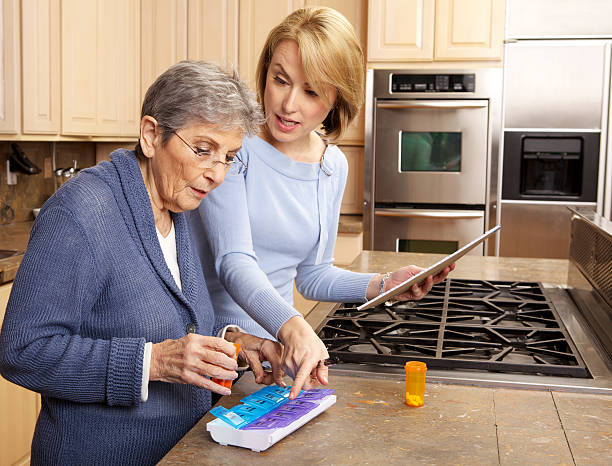
Evaluate the physical needs of your loved one. Do they require help with mobility, bathing, or medication management? Understanding these needs will guide you in selecting a caregiver with the right skills.
Emotional and Social Needs
Consider the emotional and social needs of your senior family member. A caregiver should not only provide physical support but also offer companionship and emotional stability.
Qualifications and Experience
Professional Training
Ensure the caregiver has the necessary training and certifications. For instance, a CNA should have completed a state-approved education program and passed a competency exam.
Experience with Similar Cases
Look for caregivers who have experience working with seniors who have similar health conditions or needs as your loved one. This experience can make a significant difference in the quality of care provided.
Compatibility and Personality
Matching Personalities
A caregiver’s personality should complement your loved one’s temperament. For instance, if your loved one enjoys a quiet environment, a calm and patient caregiver would be ideal.
Cultural and Language Considerations
Consider any cultural or language preferences that might make your loved one more comfortable. A caregiver who shares the same cultural background or speaks the same language can provide a sense of familiarity and ease.
Conducting Interviews
Preparing Questions
Prepare a list of questions to ask potential caregivers. Topics should include their experience, approach to caregiving, and availability.
Assessing Communication Skills
During the interview, assess the caregiver’s communication skills. They should be able to communicate effectively with your loved one and family members.
Checking References and Background
Professional References
Request references from previous employers or clients to gauge the caregiver’s reliability and professionalism.
Background Checks
Conduct thorough background checks to ensure the caregiver has no criminal history and is trustworthy.
Understanding the Costs
Evaluating Costs
Caregiver costs can vary widely based on their qualifications and the level of care needed. Understand the costs involved and create a budget that aligns with your financial situation.
Insurance and Financial Assistance
Check if your loved one’s insurance covers caregiving services. There may also be government programs or financial assistance available to help with the costs.
Setting Expectations
Defining Roles and Responsibilities
Clearly outline the roles and responsibilities of the caregiver. This helps avoid misunderstandings and ensures all parties are on the same page.
Establishing a Schedule
Create a schedule that details the caregiver’s working hours, tasks, and any specific needs of your loved one.
Building a Relationship
Encouraging Open Communication
Foster a relationship of trust and open communication between your loved one and the caregiver. Regular check-ins can help address any concerns early on.
Providing Feedback
Provide constructive feedback to the caregiver to ensure the care being provided meets your expectations and your loved one’s needs.
Monitoring Care
Regular Check-Ins
Conduct regular check-ins with your loved one and the caregiver to monitor the quality of care and address any issues promptly.
Adjusting Care Plans
Be open to adjusting care plans as your loved one’s needs change. Flexibility is key to providing effective care.
Legal Considerations
Employment Contracts
Consider drafting an employment contract that outlines the terms of employment, including pay, duties, and confidentiality agreements.
Understanding Caregiver Rights
Ensure you are aware of the caregiver’s rights and obligations under employment laws to avoid legal issues.
Resources for Finding Caregivers
Agencies vs. Independent Caregivers
Decide whether to hire a caregiver through an agency or independently. Agencies can provide vetted candidates, but independent hiring may offer more flexibility.
Online Platforms
Utilize online platforms and local resources to find potential caregivers. Websites like Care.com or local community centers can be valuable resources.
Personal Reflection
The Emotional Aspect
Choosing a caregiver is not just a practical decision but an emotional one. It involves trusting someone with the well-being of your loved one, which can be daunting.
Relevance to Current Trends
With the increasing aging population and the rise of chronic illnesses, the demand for professional caregivers is growing. This makes understanding how to choose the right caregiver even more crucial.
Conclusion
Choosing the right caregiver for your senior loved one involves careful consideration of their needs, the caregiver’s qualifications, and the compatibility between them. By taking the time to thoroughly vet and select the right caregiver, you can ensure that your loved one receives compassionate and effective care, enhancing their quality of life.
FAQs
1. What qualifications should I look for in a caregiver?
Look for caregivers with relevant certifications, such as CNAs or RNs, and experience in handling similar cases to your loved one’s needs.
2. How do I assess a caregiver’s compatibility with my loved one?
Consider your loved one’s personality, preferences, and any cultural or language needs. Conduct interviews to gauge the caregiver’s communication skills and compatibility.
3. What are the typical costs associated with hiring a caregiver?
Caregiver costs vary based on qualifications and care level. Consider insurance coverage and financial assistance programs to help manage costs.
4. How can I monitor the quality of care provided?
Regular check-ins with both the caregiver and your loved one, along with being open to adjusting care plans, help ensure high-quality care.
5. What legal considerations should I be aware of?
Draft employment contracts and understand caregiver rights under employment laws to ensure a smooth and legal hiring process.
Choosing the right caregiver is a significant decision that requires careful thought and planning. By considering all aspects outlined in this guide, you can make an informed choice that benefits your loved one’s well-being and peace of mind.