How to Create a Daily Exercise Routine for Seniors at Home
Creating a daily exercise routine for seniors at home is not just beneficial; it’s essential for maintaining health, mobility, and overall well-being. As we age, our bodies undergo various changes that can affect our strength, balance, and flexibility. However, the right exercise routine can help counteract these changes, enhance quality of life, and promote independence. This article will guide you through creating an effective exercise routine tailored for seniors, focusing on safety, accessibility, and enjoyment.
Understanding the Importance of Exercise for Seniors
Regular physical activity is crucial for seniors for several reasons:
- Improved Physical Health: Exercise helps to prevent chronic diseases such as heart disease, diabetes, and arthritis.
- Enhanced Mental Well-being: Physical activity releases endorphins, which can alleviate symptoms of depression and anxiety.
- Better Balance and Coordination: Regular exercise improves strength and flexibility, reducing the risk of falls—a significant concern for older adults.
- Social Engagement: Group activities or classes can provide social interaction, combating loneliness and isolation.
Setting Realistic Goals
Before diving into specific exercises, it’s important to set realistic goals. Consider the following:
- Assess Current Fitness Level: Understand where you or your loved one stands in terms of mobility and strength. This could involve a simple evaluation of how long you can walk without stopping or how easily you can stand up from a chair.
- Define Objectives: Are you looking to improve balance? Increase strength? Enhance cardiovascular health? Clear objectives will guide your routine.
- Start Small: Begin with short sessions (10-15 minutes) and gradually increase duration and intensity as comfort grows.
Key Components of a Senior Exercise Routine
A well-rounded exercise routine should include several key components:
Aerobic Exercises
Aerobic exercises are crucial for heart health. They can be easily adapted for seniors:
- Walking: One of the simplest forms of aerobic exercise. Aim for 20-30 minutes daily. Walking indoors around the house or in a safe outdoor area works well.
- Cycling: Using a stationary bike can be an excellent low-impact option that strengthens leg muscles without stressing joints.
- Swimming: If accessible, swimming provides a full-body workout with minimal impact on joints.
Strength Training
Strength training helps maintain muscle mass and bone density:
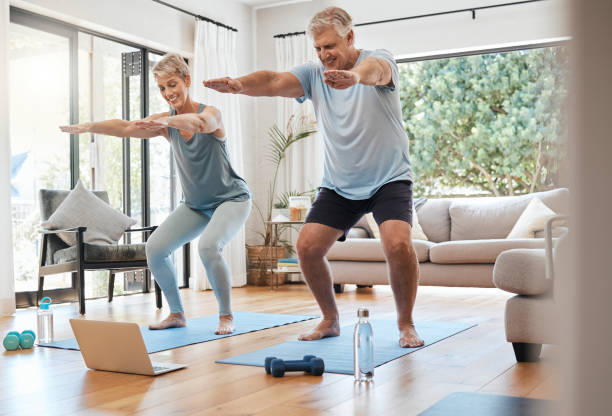
- Bodyweight Exercises: Simple movements like squats (or half-squats), wall push-ups, and seated leg lifts can be very effective.
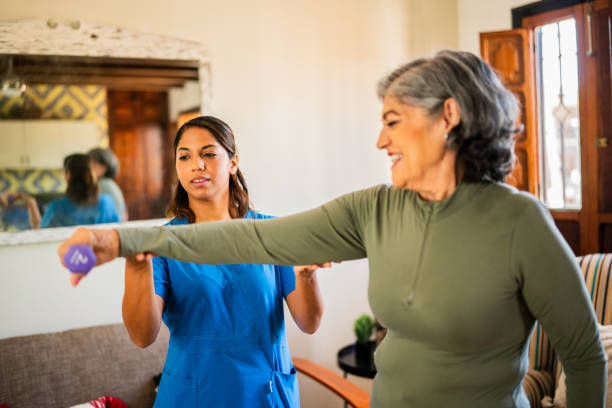
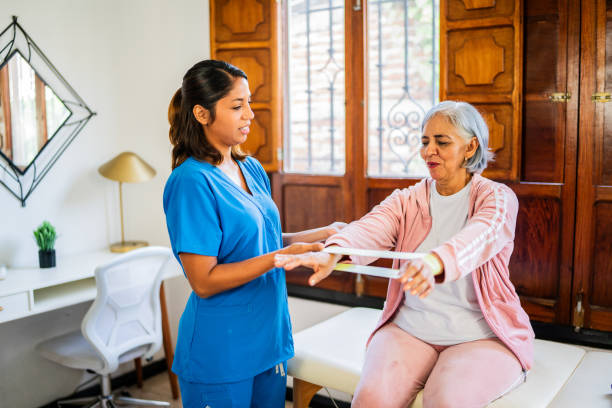
- Resistance Bands: These are great tools for adding resistance without the need for heavy weights. Exercises can include bicep curls or seated rows.
Flexibility Exercises
Flexibility is vital for maintaining range of motion:
- Stretching: Incorporate gentle stretches focusing on major muscle groups. Hold each stretch for 15-30 seconds.
- Yoga or Tai Chi: These practices enhance flexibility while promoting relaxation and balance.
Balance Exercises
Improving balance is essential to prevent falls:
- Heel-to-Toe Walk: Walk in a straight line placing one foot directly in front of the other.
- Single-leg Stands: Hold onto a sturdy chair or countertop while lifting one leg off the ground. Aim to hold this position for 10 seconds on each leg.
Creating Your Daily Routine
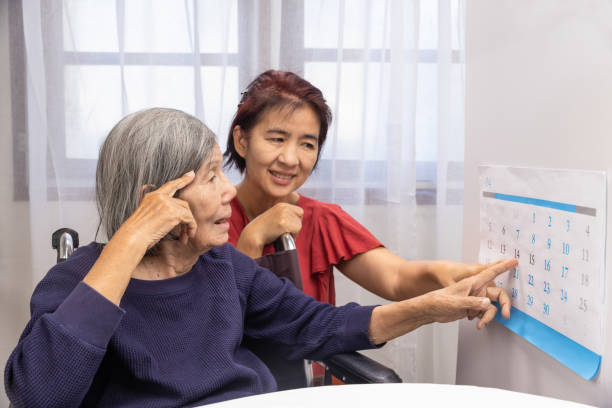
Here’s how to structure your daily exercise routine effectively:
Warm-Up (5-10 minutes)
Start with gentle movements to prepare your body:
- March in place
- Arm circles
- Gentle neck rotations
Main Workout (20-30 minutes)
READ ALSO: The Importance of Companionship for Seniors and How It Improves Mental Health
Combine different types of exercises:
- Aerobic Activity (10 minutes):
- Walking in place or around the house.
- Cycling on a stationary bike at a comfortable pace.
- Strength Training (10 minutes):
- Perform 1 set of 10-15 repetitions of bodyweight exercises like chair stands or resistance band exercises.
- Balance Exercises (5 minutes):
- Practice heel-to-toe walking or single-leg stands.
- Flexibility Exercises (5 minutes):
- End with stretching major muscle groups focusing on arms, legs, back, and neck.
Cool Down (5 minutes)
Finish with deep breathing exercises and gentle stretching to relax your muscles.
Tips for Staying Motivated
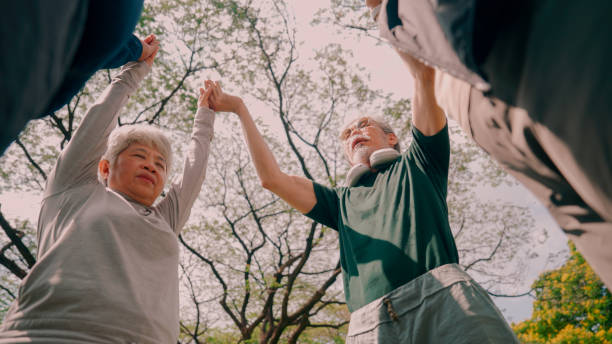
Staying motivated can be challenging but here are some strategies:
- Find Enjoyable Activities: Choose exercises that are fun! Whether it’s dancing to favorite tunes or gardening—enjoyment is key.
- Buddy Up: Exercising with friends or family can make workouts more enjoyable and provide accountability.
- Track Progress: Keep a journal of your workouts to see improvements over time; this can be highly motivating!
Safety Considerations
Safety should always come first:
- Consult Healthcare Providers: Before starting any new exercise program, seniors should consult their doctors to ensure it’s safe based on their health conditions.
- Listen to Your Body: If something feels wrong—stop! It’s important not to push through pain.
- Stay Hydrated: Drink plenty of water before, during, and after exercising to stay hydrated.
Examples from First World Countries
In many first world countries like the United States and Canada, community centers offer tailored fitness programs specifically designed for seniors. These programs often include:
- Group classes focusing on low-impact aerobics.
- Strength training sessions using resistance bands.
- Yoga classes aimed at improving flexibility and balance.
Such initiatives not only promote physical health but also foster community engagement among older adults, reducing feelings of isolation.
READ ALSO: Signs Your Aging Parent May Need Additional Support at Home
Conclusion
Creating a daily exercise routine at home is an empowering step toward maintaining health and independence as we age. By incorporating various forms of exercise—such as aerobic activities, strength training, flexibility work, and balance exercises—seniors can significantly enhance their quality of life. Remember that every little bit counts; even short sessions add up over time! Embrace the journey towards better health with enthusiasm and patience—your future self will thank you!
FAQs
- How often should seniors exercise?
Seniors should aim for at least 150 minutes of moderate aerobic activity per week along with strength training at least two days a week.
- What if I have mobility issues?
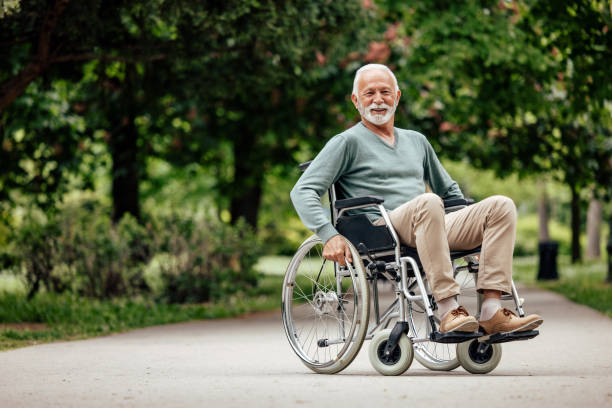
Modify exercises as needed! Seated exercises or using support from furniture can help maintain safety while still being active.
- Can I do these exercises every day?
Yes! However, it’s important to listen to your body and allow rest days if you feel fatigued or sore.
- What equipment do I need?
Basic equipment includes comfortable clothing, supportive footwear, resistance bands, light weights (if desired), and possibly a yoga mat for floor exercises.
- Is it safe to exercise alone?
While many seniors can safely exercise alone at home, having someone nearby during more challenging activities is advisable for added safety.