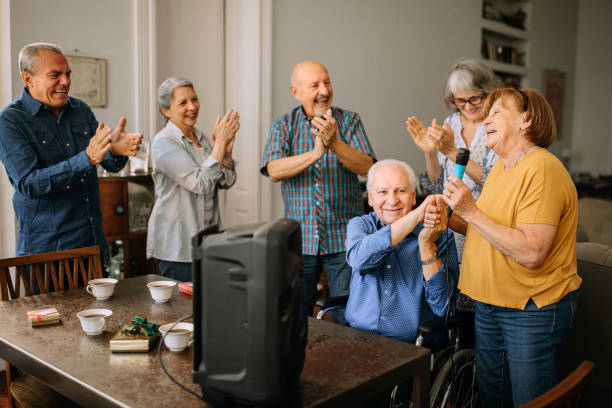
As we age, maintaining social connections becomes increasingly important for our mental and emotional well-being. For seniors, staying socially active can combat feelings of loneliness and isolation, which are common challenges in later life. With the right strategies and activities, we can help our elderly loved ones remain engaged, connected, and vibrant in their golden years. Let’s explore how to keep seniors socially active and engaged at home.
Understanding the Importance of Social Engagement

Why Social Interaction Matters
Social interaction is essential for everyone, but it holds particular significance for older adults. Engaging with others can lead to:
- Improved Mental Health: Regular social interaction helps reduce feelings of depression and anxiety.
- Enhanced Cognitive Function: Social engagement stimulates the brain, promoting cognitive health and potentially delaying memory decline.
- Increased Longevity: Studies suggest that individuals with strong social ties tend to live longer than those who are isolated.
The Risks of Social Isolation
Social isolation can have severe consequences for seniors, including:
- Cognitive Decline: Lack of social interaction can lead to accelerated cognitive decline.
- Physical Health Issues: Isolation has been linked to various health problems, including heart disease and weakened immune function.
- Emotional Distress: Feelings of loneliness can contribute to depression and a diminished quality of life.
Identifying Barriers to Engagement

Before we can effectively encourage social activity, it’s essential to understand the barriers that may prevent seniors from engaging:
1. Mobility Issues
Many seniors face physical limitations that make it challenging to participate in social activities outside the home.
2. Transportation Challenges
Accessing transportation can be difficult for seniors who no longer drive or live in areas with limited public transport options.
3. Health Concerns
Chronic health conditions may lead to fatigue or discomfort, making socializing less appealing.
4. Technology Barriers
While technology offers numerous ways to connect, many seniors may feel intimidated or overwhelmed by digital platforms.
READ ALSO: 10 Essential Home Safety Tips for Seniors to Prevent Falls
Strategies to Keep Seniors Socially Active at Home

1. Create a Social Calendar
Establishing a routine can help seniors anticipate and prepare for social activities. Consider creating a monthly calendar filled with planned events such as:
- Family Visits: Schedule regular visits from family members.
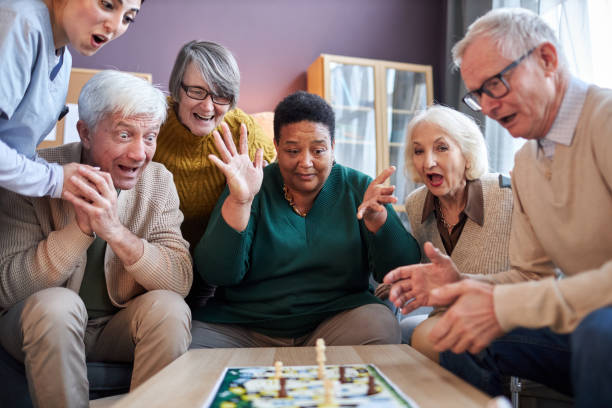
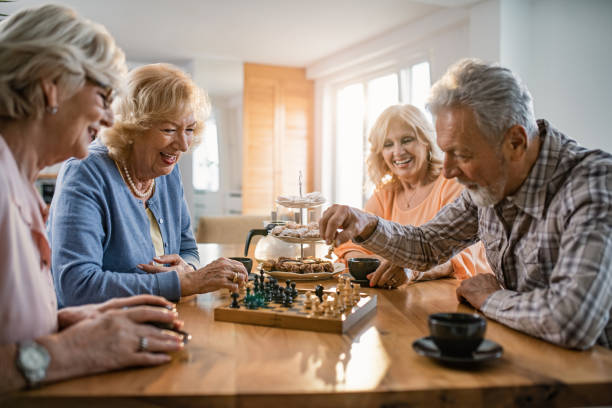
- Game Nights: Organize weekly game nights featuring card games or board games.
- Virtual Gatherings: Set up regular video calls with friends or family using platforms like Zoom or Skype.
2. Encourage Hobbies and Interests
Engaging in hobbies not only provides enjoyment but also offers opportunities for social interaction:
- Crafting Groups: Encourage participation in local crafting groups or online forums where they can share their creations.
- Book Clubs: Joining a book club—whether virtual or in-person—can foster discussions and connections over shared reading experiences.
3. Utilize Technology for Connection
Technology can bridge the gap between seniors and their loved ones:
- Video Calls: Teach seniors how to use video calling apps to stay connected with friends and family.
- Social Media: Introduce them to platforms like Facebook, where they can share updates and interact with others.
Making Social Activities Accessible
1. Adapt Activities for Mobility Limitations
For seniors with mobility issues, consider adapting activities to ensure participation:
- Seated Games: Organize seated games like bingo or card games that don’t require extensive movement.
- Home-Based Exercise Classes: Look for online classes designed for seniors that can be done from home.
2. Arrange Transportation Options
If transportation is a barrier, explore options such as:
- Community Shuttles: Some communities offer shuttle services specifically for seniors.
- Family Support: Coordinate with family members to provide rides to local events or appointments.
Incorporating Family Involvement
1. Family Game Nights
Encourage family members to participate in game nights or movie nights at home. This not only strengthens family bonds but also creates a fun atmosphere for engagement.
2. Cooking Together
Cooking meals together can be a delightful way for families to bond while engaging seniors in meaningful activities. Consider hosting themed cooking nights where everyone contributes a dish.
Community Resources for Social Engagement
Many communities offer resources aimed at keeping seniors socially active:
1. Senior Centers
Local senior centers often provide various activities, including classes, outings, and social events tailored specifically for older adults.
2. Volunteer Opportunities
Volunteering is an excellent way for seniors to stay engaged while giving back to their communities. Many organizations welcome senior volunteers for various roles that align with their interests.
Creative Activities for Engagement at Home

1. Arts and Crafts Projects
Encouraging creativity through arts and crafts can be incredibly fulfilling:
- Painting Classes: Set up painting sessions at home using online tutorials.
- Scrapbooking: Help them create scrapbooks filled with memories, which also serves as a conversation starter when sharing stories with others.
2. Gardening
Gardening is not only therapeutic but also provides opportunities for socialization:
- Container Gardening: If space is limited, container gardening allows seniors to grow plants on patios or balconies.
- Gardening Clubs: Look into local gardening clubs that may offer virtual meetings or resources for home gardening enthusiasts.
Encouraging Physical Activity as a Group
Physical activity can also be a great way to socialize:
1. Group Walks
Organizing group walks in safe environments encourages both physical activity and social interaction among peers.
2. Dance Classes
Consider virtual dance classes tailored for seniors that promote movement while allowing them to connect with others through music and rhythm.
Recognizing Signs of Emotional Distress
It’s crucial for caregivers and family members to recognize signs of emotional distress in seniors:
- Withdrawal from Activities: If they suddenly lose interest in previously enjoyed activities, it may indicate emotional struggles.
- Changes in Mood: Noticeable shifts in mood or increased irritability could signal underlying issues related to loneliness or depression.
Seeking Professional Help When Necessary
If you notice persistent signs of emotional distress in your loved one, don’t hesitate to seek professional help:
- Counseling Services: Many therapists specialize in working with older adults and can provide valuable support.
- Support Groups: Look into local support groups focused on mental health issues among seniors.
READ ALSO: Time Management Tips for Caregivers Juggling Multiple Responsibilities
Conclusion
Keeping seniors socially active and engaged at home is vital for their mental health and overall well-being. By implementing creative strategies such as establishing routines, encouraging hobbies, utilizing technology, involving family members, and accessing community resources, we can help our elderly loved ones thrive socially even within the comfort of their homes. Remember that every small effort counts—whether it’s organizing a game night or simply checking in regularly—these actions contribute positively to their quality of life as they navigate their golden years.
FAQs
- How often should I engage my elderly loved one in social activities?
Aim for at least two to three social engagements per week to maintain connections without overwhelming them. - What are some easy hobbies I can introduce?
Consider simple hobbies like painting, knitting, puzzle-solving, or gardening that require minimal setup but offer great enjoyment. - How can I help my loved one use technology?
Start by teaching them simple tasks like sending messages or making video calls; patience is key! - What if my loved one prefers solitude?
Respect their preferences but gently encourage small interactions; sometimes just being present is enough. - Are there online resources available for senior engagement?
Yes! Many websites offer virtual classes, hobby groups, and forums specifically designed for older adults seeking connection and engagement opportunities.