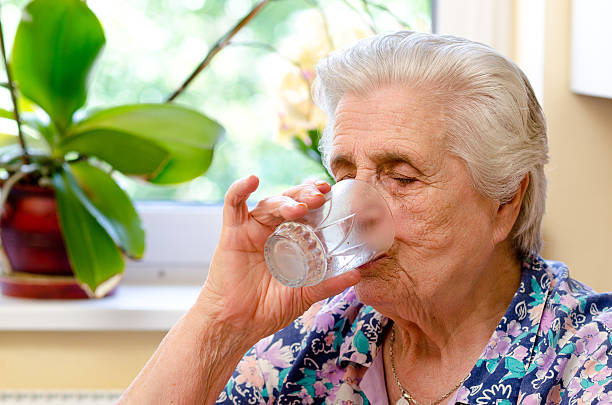

As we age, our bodies undergo numerous changes that can affect our health and well-being. One crucial aspect often overlooked is hydration. Dehydration can lead to serious health complications, especially in seniors. In this article, we’ll explore the importance of hydration for older adults, how to recognize signs of dehydration, practical tips to ensure adequate fluid intake, and effective strategies to prevent dehydration at home.
Understanding the Importance of Hydration
Why Hydration Matters
Water is essential for nearly every function in the body. It regulates temperature, aids digestion, and helps transport nutrients. For seniors, staying hydrated is particularly important because:
- Decreased Thirst Sensation: As we age, our sense of thirst diminishes, making it easier for seniors to overlook their need for fluids.
- Increased Risk of Health Issues: Dehydration can exacerbate existing health conditions like kidney disease, urinary tract infections, and even cognitive decline.
- Medication Side Effects: Many medications can lead to increased fluid loss or reduced thirst, heightening the risk of dehydration.
READ ALSO: Signs Your Aging Parent May Need Additional Support at Home
Recognizing Signs of Dehydration
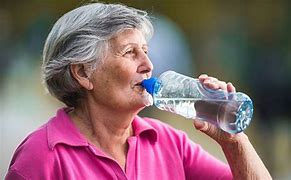
Common Symptoms
Understanding the signs of dehydration is crucial for prevention. Some common symptoms include:
- Dry Mouth and Thirst: A dry or sticky mouth is often one of the first signs.
- Fatigue or Dizziness: Low energy levels or feelings of lightheadedness can indicate dehydration.
- Dark Yellow Urine: A darker urine color typically signifies concentrated urine due to insufficient fluid intake.
- Confusion or Irritability: Cognitive changes can occur as a result of dehydration.
Factors Contributing to Dehydration in Seniors
1. Physical Changes
As we age, our bodies become less efficient at conserving water. Seniors may also experience changes in kidney function that affect their ability to concentrate urine.
2. Health Conditions
Chronic illnesses such as diabetes can increase fluid loss through urination. Additionally, conditions like dementia may impair a senior’s ability to recognize thirst.
3. Medications
Certain medications, such as diuretics or laxatives, can contribute to fluid loss. It’s essential for caregivers and seniors to be aware of these effects.
READ ALSO: How to Recognize and Overcome Caregiver Burnout: 7 Proven Strategies
Practical Tips for Ensuring Adequate Hydration

1. Set a Daily Water Goal
Encourage seniors to aim for a specific daily water intake. The general recommendation is about 8 cups (64 ounces) per day, but individual needs may vary based on activity level and health status.
2. Use Reminders
Setting reminders on phones or using apps designed for hydration tracking can help seniors remember to drink water throughout the day.
3. Flavor the Water
Some seniors may find plain water unappealing. Adding slices of fruits like lemon, cucumber, or berries can enhance the flavor and encourage more frequent consumption.
Incorporating Hydrating Foods into the Diet
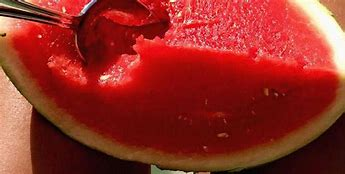
1. Fruits and Vegetables
Many fruits and vegetables have high water content and can contribute significantly to hydration:
- Watermelon: Contains about 92% water and is refreshing during hot weather.
- Cucumbers: Composed of about 95% water; they make a great snack.
- Oranges: Not only hydrating but also rich in vitamin C.
2. Soups and Broths
Soups are an excellent way to increase fluid intake while providing essential nutrients. Consider preparing vegetable or chicken broth-based soups that are both nourishing and hydrating.
Creating a Hydration-Friendly Environment
1. Keep Water Accessible
Ensure that water bottles or pitchers are easily accessible throughout the home. Placing them in common areas encourages seniors to drink more frequently.
2. Encourage Regular Breaks
If your loved one is engaged in activities like watching TV or reading, remind them to take regular breaks for hydration.
READ ALSO: 10 Essential Home Safety Tips for Seniors to Prevent Falls
Engaging in Social Activities Around Hydration

1. Hydration Parties
Organizing social gatherings centered around healthy drinks can be a fun way to promote hydration among seniors. Serve infused waters, herbal teas, or smoothies while encouraging conversation and connection.
2. Group Activities
Encouraging participation in group activities such as walking clubs can help promote both physical activity and hydration awareness.
Monitoring Fluid Intake
1. Keep a Fluid Log
Maintaining a log of daily fluid intake can help track hydration levels effectively. This log can be simple—just jotting down each glass consumed throughout the day.
2. Regular Check-ins
Family members or caregivers should regularly check in on their loved ones’ hydration status by asking about their fluid intake and monitoring any signs of dehydration.
The Role of Healthcare Providers
It’s essential for seniors with chronic conditions or those taking multiple medications to have regular check-ups with healthcare providers who can monitor hydration status as part of overall health management.
Medical Facts Supporting Adequate Hydration
Research shows that maintaining proper hydration levels is linked to improved cognitive function and physical performance in older adults:
- Cognitive Performance: Studies indicate that even mild dehydration can impair cognitive performance, affecting attention and memory.
- Physical Health: Adequate hydration supports cardiovascular health by helping maintain blood volume and regulating blood pressure.
- Kidney Function: Staying hydrated helps kidneys filter waste from the blood more effectively, reducing the risk of kidney stones and urinary tract infections.
- Skin Health: Proper hydration contributes to skin elasticity and overall skin health, which can diminish with age.
- Digestive Health: Sufficient fluid intake aids digestion by preventing constipation—a common issue among older adults.
READ ALSO: Time Management Tips for Caregivers Juggling Multiple Responsibilities
Conclusion
Preventing dehydration in seniors is crucial for maintaining their overall health and well-being. By understanding the importance of hydration, recognizing signs of dehydration early, implementing practical strategies at home, and fostering an environment conducive to drinking fluids regularly, we can significantly improve our loved ones’ quality of life. Remember that hydration isn’t just about drinking water; it’s about creating habits that support healthy aging every day!
FAQs
- How much water should seniors drink daily?
Seniors should aim for about 8 cups (64 ounces) per day but may need more depending on activity level and health conditions. - What are some signs that my elderly loved one is dehydrated?
Look for symptoms such as dry mouth, fatigue, dark yellow urine, confusion, or irritability. - Can certain foods help with hydration?
Yes! Foods like watermelon, cucumbers, oranges, soups, and broths are excellent sources of hydration. - How can I encourage my loved one to drink more water?
Set daily goals, use reminders, flavor their water with fruits, and keep drinks accessible throughout their living space. - What should I do if I notice severe signs of dehydration?
If severe symptoms occur—like extreme confusion or inability to keep fluids down—seek medical attention immediately as this could indicate a medical emergency.