As we journey through life, the importance of mental well-being becomes increasingly evident, especially for older adults. With the challenges that come with aging—such as health issues, loss of loved ones, and changes in lifestyle—many seniors find themselves in need of effective coping strategies. Enter meditation and mindfulness: practices that have gained popularity for their profound benefits on mental and emotional health. In this article, we will explore how these practices can enhance the quality of life for older adults, backed by scientific research and practical applications.
Understanding Meditation and Mindfulness
What is Meditation?
Meditation is a practice that involves focusing the mind to achieve a state of calmness and clarity. It can take various forms, including guided meditation, transcendental meditation, or mindfulness meditation. Each type encourages individuals to cultivate awareness and presence in the moment.
What is Mindfulness?
Mindfulness is the practice of being fully present in the moment without judgment. It involves observing thoughts and feelings without getting caught up in them. This practice can be applied in daily activities such as eating or walking, making it accessible for everyone.
READ ALSO: How to Build a Support Network as a Family Caregiver
The Importance of Mental Health in Older Adults
As we age, mental health becomes increasingly important. Many older adults face challenges such as loneliness, depression, anxiety, and cognitive decline. These issues can significantly impact their quality of life. Engaging in meditation and mindfulness can help mitigate these challenges by promoting emotional resilience and cognitive function.
Benefits of Meditation for Older Adults
1. Reduces Stress and Anxiety
One of the most significant benefits of meditation is its ability to reduce stress and anxiety levels. Studies have shown that regular meditation can lower cortisol levels—the hormone associated with stress—leading to a calmer state of mind. For older adults facing various life changes, such as retirement or loss of loved ones, this can be incredibly beneficial.
2. Enhances Cognitive Function
Meditation has been linked to improved cognitive function in older adults. Regular practice can enhance attention span, memory retention, and overall brain health. Research indicates that mindfulness practices can lead to structural changes in the brain associated with improved cognitive abilities.
3. Improves Emotional Well-Being
Meditation fosters emotional well-being by promoting positive emotions and reducing negative ones. Older adults who meditate regularly often report feeling more content and less prone to feelings of sadness or isolation. This emotional uplift can lead to a more fulfilling life.
4. Promotes Better Sleep
Sleep disturbances are common among older adults. Meditation can help improve sleep quality by calming the mind and preparing the body for rest. Techniques such as guided imagery or progressive muscle relaxation can be particularly effective in promoting restful sleep.
Benefits of Mindfulness for Older Adults
1. Encourages Healthy Aging
Mindfulness encourages a positive outlook on life, which is essential for healthy aging. By focusing on the present moment rather than worrying about the past or future, older adults can cultivate a sense of peace that promotes overall well-being.
2. Enhances Social Connections
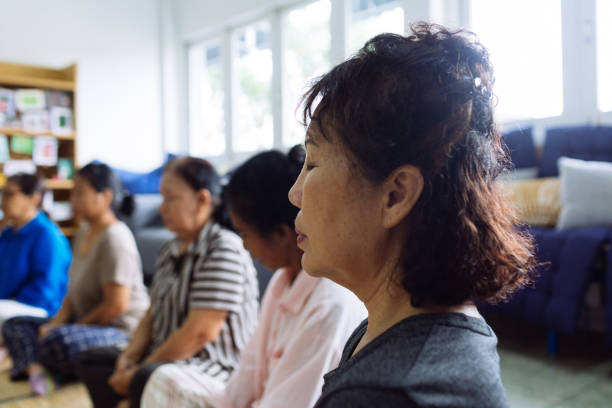
Mindfulness practices often involve group settings where individuals can connect with others who share similar interests. This social interaction is vital for combating loneliness among seniors. Participating in mindfulness groups or classes fosters community engagement while enhancing mental health.
3. Supports Physical Health
Research indicates that mindfulness can lead to better physical health outcomes by promoting healthy lifestyle choices. For instance, mindful eating encourages seniors to pay attention to their hunger cues and make healthier food choices.
READ ALSO: How In-Home Senior Care Promotes Independence and Safety
Practical Ways to Incorporate Meditation and Mindfulness
1. Start Small
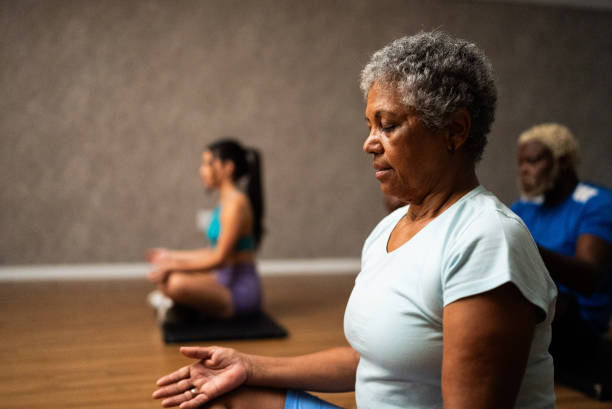
For those new to meditation or mindfulness, starting small is key. Begin with just five minutes a day, gradually increasing the duration as comfort grows. This approach helps build a sustainable practice without overwhelming the individual.
2. Use Guided Meditations
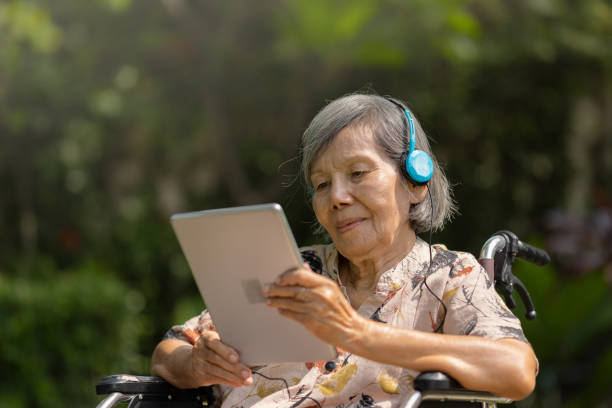
Guided meditations are an excellent way for beginners to learn techniques without feeling lost. Many apps and online resources provide free guided sessions tailored specifically for seniors.
3. Create a Comfortable Space
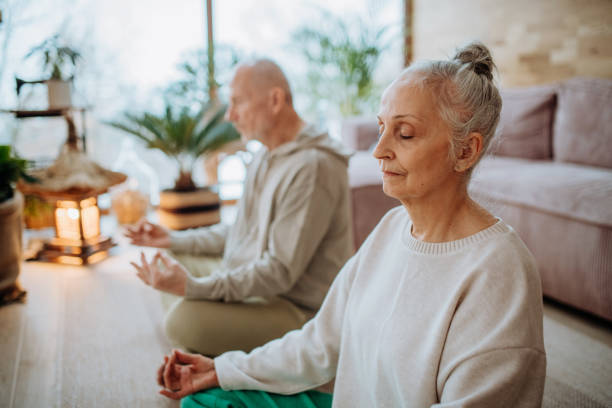
Designate a quiet space at home where your loved one can practice meditation or mindfulness without distractions. A comfortable chair or cushion along with calming elements like soft lighting or soothing music can enhance the experience.
4. Incorporate Mindful Activities
Encourage your loved one to engage in mindful activities throughout their day—whether it’s savoring each bite during meals or taking slow walks while focusing on their surroundings.
READ ALSO: Time Management Tips for Caregivers Juggling Multiple Responsibilities
Medical Facts Supporting Meditation and Mindfulness
Engaging in meditation and mindfulness is not just beneficial; it’s supported by medical research:
- Neuroplasticity: Studies show that regular meditation promotes neuroplasticity—the brain’s ability to reorganize itself by forming new neural connections—which is crucial as we age.
- Reduced Risk of Dementia: Research indicates that individuals who regularly engage in mindfulness practices have a lower risk of developing dementia-related diseases due to enhanced cognitive reserve.
- Mental Health Benefits: Cognitive-behavioral therapy combined with mindfulness has been shown to reduce symptoms of depression and anxiety among older adults significantly.
- Stress Reduction: Numerous studies have demonstrated that mindfulness-based stress reduction (MBSR) programs effectively decrease stress levels among older adults, leading to improved overall health outcomes.
- Improved Quality of Life: A meta-analysis revealed that mindfulness interventions significantly improve quality of life among elderly populations by enhancing emotional regulation and reducing psychological distress.
Overcoming Barriers to Practice
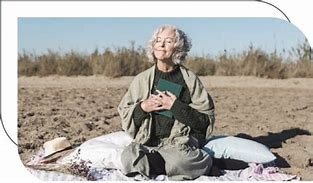
Addressing Physical Limitations
For seniors who have limited mobility or chronic pain conditions, traditional meditation poses may be challenging. Encourage seated meditations or lying down comfortably during practice sessions.
Combating Skepticism
Some individuals may be skeptical about the benefits of meditation or mindfulness due to misconceptions about these practices being “new-age” or ineffective. Providing evidence-based research on their benefits can help alleviate concerns.
READ ALSO: The Importance of Companionship for Seniors and How It Improves Mental Health
Conclusion
The benefits of meditation and mindfulness for older adults are profound and far-reaching. By incorporating these practices into daily routines, seniors can experience reduced stress levels, enhanced cognitive function, improved emotional well-being, and better overall health outcomes. As families and caregivers, encouraging our loved ones to explore these techniques not only supports their mental health but also fosters deeper connections within our families and communities.
In a world where aging often comes with challenges, meditation and mindfulness offer a beacon of hope—a way for our elderly loved ones to navigate their golden years with grace, clarity, and joy.
FAQs
- How long should older adults meditate each day?
Starting with just five minutes daily is recommended; gradually increasing this time as they become more comfortable with the practice. - What types of meditation are best for seniors?
Guided meditations or mindfulness-based stress reduction techniques are particularly beneficial for seniors due to their structured approach. - Can mindfulness improve physical health?
Yes! Mindfulness has been linked to healthier lifestyle choices which contribute positively to physical health outcomes among older adults. - Are there specific apps recommended for seniors interested in meditation?
Apps like Headspace and Calm offer user-friendly guided meditations tailored specifically for beginners of all ages. - How can I encourage my elderly loved one to start meditating?
Introducing them gently through short sessions together or providing resources like guided meditations can help spark their interest in practice.