Introduction
Have you ever struggled to find the perfect socks for a loved one dealing with diabetes and cold feet? It’s not just about keeping toes warm; it’s about safety, comfort, and promoting healthy circulation. Non-slip socks are a game-changer, offering stability while catering to the unique needs of seniors with diabetes. Let’s dive into everything you need to know to make the best choice for your loved ones.
Why Non-Slip Socks Are Essential for Seniors
Safety First: Preventing Slips and Falls
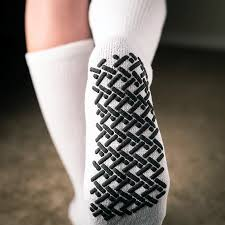
Slippery floors and poor balance can spell disaster for seniors. Non-slip socks have grippy soles that provide extra traction, reducing the risk of falls. These socks are especially helpful for seniors who spend a lot of time at home on hardwood or tiled floors.
Supporting Diabetic Foot Care
Diabetes often comes with complications like neuropathy, which reduces sensation in the feet. Non-slip socks offer additional security, ensuring seniors feel confident as they move around their home.
Keeping Cold Feet Cozy
Cold extremities are a common issue for seniors, particularly those with diabetes. Non-slip socks combine warmth with functionality, making them an ideal solution for chilly toes.
Features to Look for in Non-Slip Socks for Seniors
Non-Slip Grip
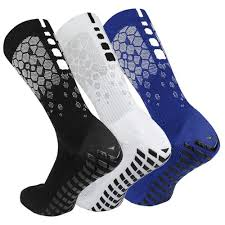
The hallmark of these socks is their grippy soles. Look for rubberized or silicone treads that are durable and cover the entire bottom surface.
Moisture-Wicking Material
Diabetic feet are prone to excessive moisture, which can lead to infections. Choose socks made from materials like bamboo or merino wool, which wick away moisture while maintaining breathability.
Seamless Design
Seams can rub against the skin and cause blisters or ulcers, which are particularly dangerous for diabetics. Opt for seamless socks to minimize irritation.
Compression Benefits
Mild compression can improve circulation, which is beneficial for cold and diabetic feet. However, avoid overly tight socks that may restrict blood flow.
Thermal Properties
Look for socks with insulating materials or thermal technology to keep feet warm during colder months.
Top Non-Slip Sock Brands for Seniors with Diabetes
1. GripJoy Non-Slip Socks
GripJoy is a favorite among seniors. These socks feature full-foot silicone grips, a plush interior for warmth, and moisture-wicking fabric to keep feet dry.
2. Dr. Scholl’s Diabetes & Circulatory Socks
Known for their diabetic-friendly products, Dr. Scholl’s socks provide mild compression, a non-binding top, and a soft non-slip sole.
3. Pembrook Non-Slip Socks
Pembrook offers high-quality socks with sturdy grips and a variety of styles. Their socks are made from a cozy, breathable blend of fabrics, perfect for all-day wear.
4. Therafirm’s Grip Socks
Designed for diabetic and circulatory health, these socks offer graduated compression and a reinforced, non-slip sole for extra safety.
5. Yomandamor Diabetic Socks
These socks focus on seamless construction and antibacterial properties. They’re perfect for seniors who prioritize hygiene alongside comfort.
How to Choose the Right Non-Slip Socks
Assess Specific Needs
Does the senior require extra warmth, compression, or antibacterial properties? Identifying these needs will narrow down the options.
Prioritize Comfort
Comfort is non-negotiable. Ensure the socks fit well without being too tight or too loose.
Check Customer Reviews
Reviews often reveal real-world experiences and insights about durability, fit, and effectiveness.
Look for Recommendations from Healthcare Professionals
Doctors or podiatrists may recommend specific brands or features based on the senior’s health condition.
Caring for Non-Slip Socks
Washing Tips
Always follow the care instructions. Most non-slip socks can be machine-washed, but avoid high heat to prevent the grips from deteriorating.
Replacing Worn-Out Socks
Inspect the grips regularly. Replace the socks if the tread starts peeling or loses effectiveness.
The Science Behind Cold Feet in Seniors with Diabetes
Poor Circulation
Diabetes often causes reduced blood flow to extremities, leading to perpetually cold feet.
Peripheral Neuropathy
This condition damages nerves in the feet, reducing sensation and making it hard for seniors to notice cold temperatures or injuries.
Importance of Warmth
Keeping feet warm improves comfort and can promote better blood circulation.
Benefits of Non-Slip Socks Beyond Safety
Improved Confidence
Non-slip socks empower seniors to move freely without the constant fear of falling.
Enhanced Mobility
With better grip, seniors can maintain their independence, walking comfortably around their home.
Overall Foot Health
Quality socks provide the right balance of cushioning, warmth, and moisture control, contributing to better foot health.
Common Myths About Non-Slip Socks
“They’re All the Same.”
Not true! Features like material, grip pattern, and design vary greatly between brands.
“Compression Socks Aren’t Necessary.”
While not always essential, mild compression can be a boon for circulation, especially for diabetics.
“Non-Slip Socks Are Too Bulky.”
Modern designs are lightweight and sleek, making them comfortable for everyday use.
Alternatives to Non-Slip Socks
Slipper Socks
These combine the warmth of slippers with the grip of non-slip socks, offering a cozy alternative.
Non-Slip Footwear
For seniors who prefer shoes, non-slip slippers or lightweight sneakers with a grippy sole can be an option.
DIY Non-Slip Solutions
Adding grip pads to regular socks can be a budget-friendly alternative, though not as reliable as purpose-built non-slip socks.
Real Stories: Seniors Who Love Non-Slip Socks
Mary’s Story
“After my mom’s fall last winter, we switched to non-slip socks. She’s been walking around with so much more confidence and hasn’t slipped once!”
John’s Experience
“I’ve struggled with cold feet for years. These socks keep me warm without making my feet sweat. I couldn’t ask for more.”
The Benefits of Music Therapy for Seniors with Alzheimer’s Disease
Conclusion
Choosing the best non-slip socks for seniors with diabetes and cold feet is more than a purchase; it’s an investment in safety, comfort, and overall well-being. By focusing on the right features and trusted brands, you can find the perfect pair to keep your loved ones happy and secure. Whether it’s preventing falls or providing much-needed warmth, non-slip socks are a small change with a big impact.
FAQs About Non-Slip Socks for Seniors with Diabetes
1. Are non-slip socks suitable for outdoor use?
Most non-slip socks are designed for indoor use, but some brands offer thicker soles suitable for quick outdoor trips.
2. Can non-slip socks replace diabetic shoes?
While they’re great for home use, diabetic shoes provide additional support and protection for outdoor activities.
3. How do I know if the socks are too tight?
Check for marks on the skin after wearing the socks. If there are deep impressions, opt for a looser fit.
4. Are there non-slip socks for wide feet?
Yes, many brands offer sizes designed for wider feet. Look for those with a stretchy, non-binding design.
5. How often should I replace non-slip socks?
Replace them every 6-12 months or as soon as the grips start to wear out.