As our loved ones age, ensuring they maintain a healthy diet becomes increasingly important. Proper nutrition is crucial for elderly individuals to support their overall health, manage chronic conditions, and enhance their quality of life. This guide will explore nutritional meal plans tailored for seniors, emphasizing the importance of nutrient-dense foods, practical meal planning strategies, and examples of how these practices are applied in first-world countries.
Understanding the Nutritional Needs of Seniors
The Importance of Nutrition in Aging
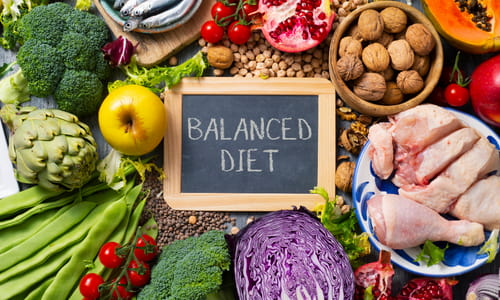
Nutrition plays a vital role in the health of elderly individuals. As we age, our bodies undergo various changes that can affect how we absorb nutrients. Factors such as decreased metabolism, changes in taste and smell, and potential health issues can all impact dietary needs. A well-balanced diet can help manage these changes and prevent malnutrition.
READ ALSO: How In-Home Senior Care Promotes Independence and Safety
Key Nutrients for Seniors
Certain nutrients become particularly important as we age:
- Protein: Essential for maintaining muscle mass and strength.
- Calcium and Vitamin D: Crucial for bone health to prevent osteoporosis.
- Fiber: Helps with digestion and can prevent constipation.
- Healthy Fats: Supports heart health and cognitive function.
- Vitamins and Minerals: Such as B12, potassium, and magnesium, which are vital for overall health.
Common Dietary Restrictions for Seniors

Understanding dietary restrictions is essential when planning meals for elderly loved ones. Some common restrictions include:
- Diabetes: Requires careful monitoring of carbohydrate intake.
- Hypertension: May necessitate a low-sodium diet.
- Food Allergies: Common allergens like nuts or dairy may need to be avoided.
- Chewing or Swallowing Difficulties: May require softer food options or pureed meals.
Creating a Nutritional Meal Plan
Assessing Individual Needs
Before creating a meal plan, assess the individual’s specific needs:
- Health Conditions: Consult with healthcare providers to understand dietary restrictions related to any medical conditions.
- Preferences: Consider their food likes and dislikes to ensure adherence to the meal plan.
- Cultural Background: Incorporate familiar foods that align with their cultural preferences.
Building a Balanced Plate
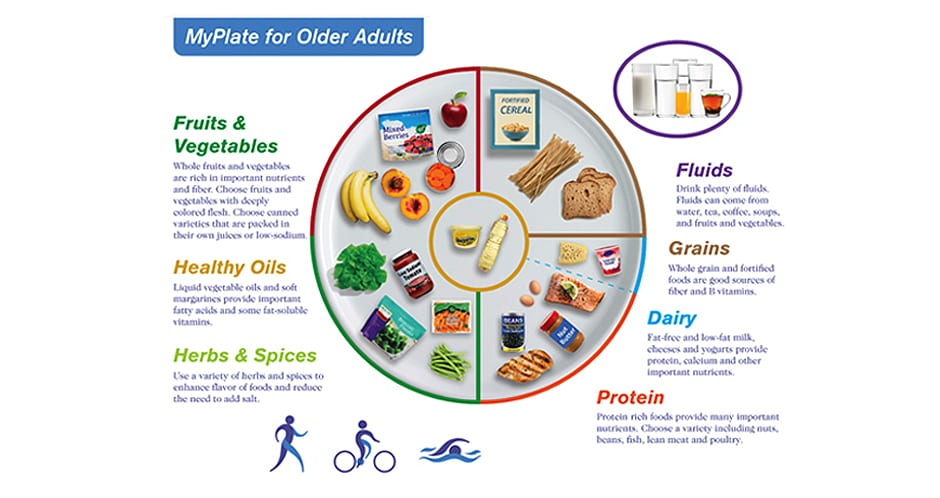
A balanced meal for seniors should include:
- Protein: Aim for lean sources like chicken, fish, beans, or tofu.
- Fruits and Vegetables: At least five servings daily to provide essential vitamins and minerals.
- Whole Grains: Include options like brown rice, quinoa, or whole-grain bread to ensure adequate fiber intake.
- Healthy Fats: Incorporate sources such as avocados, olive oil, or nuts in moderation.
Sample Nutritional Meal Plans

Here’s a week-long meal plan that balances nutrition while being easy to prepare:
First Day
- Breakfast: Oatmeal topped with sliced bananas and walnuts; served with low-fat milk.
- Snack: Fresh fruit salad.
- Lunch: Grilled chicken breast with steamed broccoli and quinoa.
- Snack: Whole-grain crackers with hummus.
- Dinner: Baked salmon with roasted carrots and a small baked potato.
Second Day
- Breakfast: Scrambled eggs with spinach; served with whole-grain toast.
- Snack: Greek yogurt with honey and berries.
- Lunch: Lentil soup with a side salad dressed in olive oil.
- Snack: A handful of mixed nuts.
- Dinner: Turkey meatballs with whole-grain pasta and marinara sauce.
READ ALSO: Signs Your Aging Parent May Need Additional Support at Home
Third day
- Breakfast: Whole-grain cereal with almond milk and sliced strawberries.
- Snack: Sliced apple with almond butter.
- Lunch: Quinoa salad with chickpeas, cucumber, and cherry tomatoes.
- Snack: Carrot sticks with tzatziki sauce.
- Dinner: Grilled shrimp tacos on corn tortillas topped with cabbage slaw.
Tips for Successful Meal Planning

Involve Your Loved Ones
Engaging elderly loved ones in meal planning can make them feel more invested in their nutrition. Ask them about their favorite meals or snacks. This not only ensures they enjoy what they eat but also encourages them to maintain a healthy diet.
Prepare Meals in Advance
Batch cooking is an effective strategy that saves time throughout the week. Preparing larger portions of meals allows you to freeze leftovers for later use. This ensures that nutritious meals are always on hand without requiring daily cooking efforts.
Focus on Texture
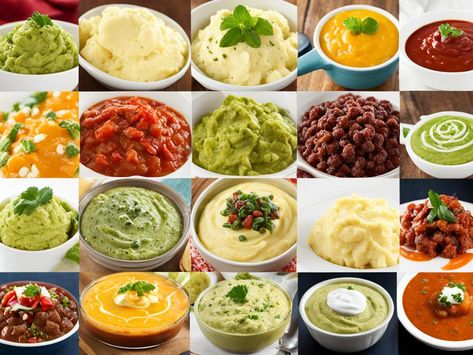
For seniors who may have difficulty chewing or swallowing, consider modifying the texture of foods. Softening vegetables by steaming or pureeing soups can make meals easier to consume while still being nutritious.
Hydration Matters Too!

Staying hydrated is crucial for seniors. Dehydration can lead to serious health issues. Encourage your loved ones to drink water regularly throughout the day. You can also include hydrating foods such as:
- Watermelon
- Cucumber
- Broth-based soups
- Herbal teas
READ ALSO: The Importance of Companionship for Seniors and How It Improves Mental Health
Practical Examples from First World Countries

In countries like the United States and Canada, community programs often focus on providing nutritional education tailored specifically for seniors. These programs may include:
- Cooking Classes: Teaching seniors how to prepare healthy meals using affordable ingredients.
- Nutrition Workshops: Offering guidance on managing chronic conditions through diet.
- Meal Delivery Services: Providing pre-prepared meals that cater to specific dietary needs while ensuring nutrition is prioritized.
These initiatives not only promote better eating habits but also foster community engagement among older adults, reducing feelings of isolation while encouraging social interaction during mealtimes.
Addressing Common Challenges
Limited Mobility
For seniors who have limited mobility, grocery shopping may become a challenge. Consider utilizing online grocery delivery services or local programs that offer home delivery for fresh produce and other essentials.
Financial Constraints
Budgeting for nutritious meals can be difficult on a fixed income. Focus on cost-effective strategies such as:
- Buying seasonal fruits and vegetables.
- Utilizing canned or frozen produce when fresh options are unavailable.
- Planning meals around sales or discounts at local grocery stores.
READ ALSO: Time Management Tips for Caregivers Juggling Multiple Responsibilities
Conclusion
Creating nutritional meal plans for elderly loved ones is an essential part of promoting their health and well-being. By understanding their unique dietary needs, involving them in meal planning, and preparing balanced meals filled with nutrient-dense foods, you can significantly enhance their quality of life. Remember that every small effort counts—whether it’s preparing a favorite dish or ensuring they stay hydrated—these actions contribute positively to their overall health journey. With thoughtful planning and creativity in the kitchen, you can help your loved ones thrive as they age gracefully!
FAQs
- What are the best sources of protein for seniors? Lean meats (like chicken and turkey), fish, eggs, beans, lentils, tofu, and low-fat dairy products are excellent protein sources for seniors.
- How can I ensure my elderly loved one stays hydrated? Encourage regular water intake throughout the day and include hydrating foods like fruits (watermelon) and soups in their diet.
- What should I do if my loved one has dietary restrictions? Consult healthcare providers or registered dietitians to create personalized meal plans that accommodate any allergies or medical conditions while ensuring balanced nutrition.
- How often should seniors eat? Seniors should aim for three balanced meals per day along with healthy snacks in between to maintain energy levels and nutrient intake throughout the day.
- Are there specific vitamins seniors should focus on? Yes! Seniors should focus on vitamins B12 (for nerve function), D (for bone health), calcium (for bones), potassium (for heart health), and fiber (for digestive health).