Designing a bathroom that caters to the needs of older adults is essential for ensuring their safety and comfort. As we age, our mobility and physical abilities can change, making it crucial to adapt our living spaces accordingly. A well-designed bathroom can significantly reduce the risk of accidents and enhance the overall quality of life for seniors. In this article, we will explore practical tips and considerations for creating a senior-friendly bathroom, emphasizing safety features, comfort enhancements, and the importance of thoughtful design.
Understanding the Needs of Seniors
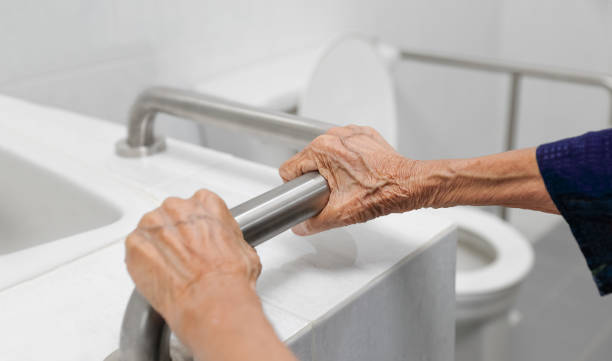
The Importance of Bathroom Safety
Bathrooms can be hazardous places for seniors due to slippery surfaces, tight spaces, and the potential for falls. According to the Centers for Disease Control and Prevention (CDC), falls are the leading cause of injury among older adults, with bathrooms being one of the most common locations for these accidents. Therefore, prioritizing safety in bathroom design is non-negotiable.
Common Challenges Faced by Seniors
Seniors may face various challenges when using traditional bathrooms, including:
- Limited Mobility: Conditions such as arthritis or balance issues can make it difficult to navigate standard bathroom layouts.
- Vision Impairment: Diminished eyesight can make it hard to see hazards or read labels on products.
- Cognitive Decline: Memory issues may lead to confusion about where items are located or how to use certain fixtures.
READ ALSO: How to Build a Support Network as a Family Caregiver
Key Features of a Senior-Friendly Bathroom
1. Non-Slip Flooring
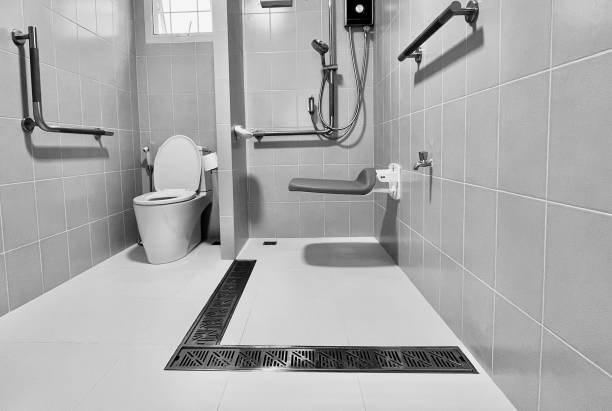
One of the most effective ways to prevent slips and falls is by installing non-slip flooring. Options like textured vinyl or rubber flooring provide better traction than traditional tiles. Additionally, consider using rugs with non-skid backing in areas that may get wet.
2. Grab Bars
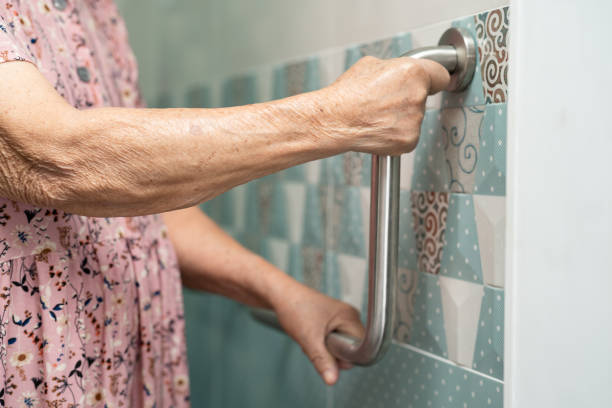
Installing grab bars near toilets and in showers or bathtubs can provide essential support for seniors when standing up or sitting down. These bars should be securely anchored to the wall and positioned at an appropriate height for easy access.
3. Walk-In Showers
Replacing a traditional bathtub with a walk-in shower can greatly enhance safety. Walk-in showers eliminate the need to step over high tub walls, reducing fall risk. Adding a bench inside the shower allows seniors to sit while bathing, further promoting safety and comfort.
READ ALSO: Time Management Tips for Caregivers Juggling Multiple Responsibilities
Enhancing Comfort in the Bathroom
4. Adjustable Showerheads
Installing an adjustable showerhead can make bathing more comfortable for seniors. Look for handheld options that allow users to direct water where they need it most without straining their arms or backs.
5. Comfort Height Toilets
Standard toilets can be challenging for seniors with mobility issues. Consider installing comfort height toilets that are slightly taller than standard models, making it easier to sit down and stand up.
6. Adequate Lighting
Proper lighting is crucial in any bathroom but especially important for seniors who may have vision impairments. Use bright, warm LED lights that illuminate all areas of the bathroom without creating harsh shadows. Consider installing night lights or motion-sensor lights for added convenience during nighttime trips.
Smart Design Elements
7. Lever-Style Faucets
Lever-style faucets are easier for seniors to operate than traditional knobs, especially for those with arthritis or limited hand strength. These faucets require less dexterity and can be turned on and off with minimal effort.
8. Accessible Storage Solutions
Ensure that frequently used items are easily accessible without requiring bending or stretching. Install shelves at waist height or use pull-out drawers in cabinets to keep toiletries within easy reach.
9. Clear Pathways
Maintaining clear pathways in the bathroom is essential for preventing accidents. Avoid clutter on floors and ensure that there is enough space between fixtures for walkers or wheelchairs if needed.
READ ALSO: How In-Home Senior Care Promotes Independence and Safety
Additional Considerations
10. Emergency Call Systems
Incorporating an emergency call system in the bathroom can provide peace of mind for both seniors and their caregivers. These systems allow users to summon help quickly in case of a fall or medical emergency.
11. Temperature Control Features
To prevent burns from hot water, consider installing anti-scald devices on faucets and showerheads. These devices regulate water temperature and ensure that it remains within a safe range.
How This Bathroom Design Helps Seniors
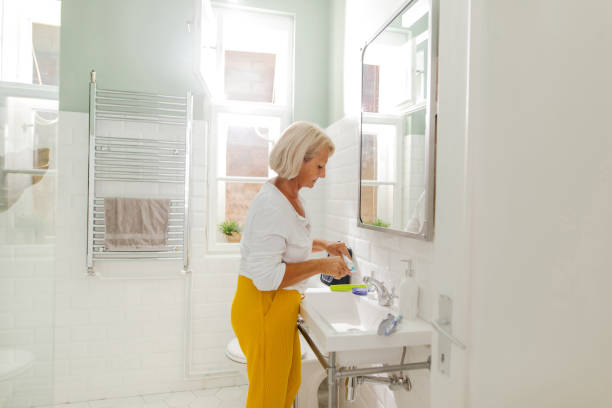
Creating a senior-friendly bathroom goes beyond aesthetics; it directly impacts seniors’ daily lives by enhancing their safety, independence, and overall well-being:
- Reduced Fall Risk: With features like non-slip flooring and grab bars, seniors can navigate their bathrooms with confidence, significantly lowering their chances of falling—a major concern as they age.
- Increased Independence: By incorporating comfort height toilets and walk-in showers, seniors can manage their personal hygiene without assistance, fostering a sense of independence that is vital for their self-esteem.
- Enhanced Comfort: Adjustable showerheads and adequate lighting create a more pleasant bathing experience, allowing seniors to maintain their routines without discomfort or fear.
- Easier Access: Lever-style faucets and accessible storage solutions mean that seniors do not have to struggle with difficult-to-use fixtures or reach high shelves, making daily tasks more manageable.
- Emergency Preparedness: Emergency call systems provide an added layer of security, ensuring that help is always within reach should an accident occur—this peace of mind is invaluable for both seniors and their families.
- Promotes Well-Being: A well-designed bathroom encourages regular personal care routines, which are essential not only for physical health but also for mental well-being—maintaining hygiene contributes positively to self-image and confidence.
READ ALSO: The Importance of Companionship for Seniors and How It Improves Mental Health
Conclusion
Designing a senior-friendly bathroom requires careful consideration of safety features, comfort enhancements, and practical design elements. By incorporating non-slip flooring, grab bars, walk-in showers, and adequate lighting, you can create a space that minimizes fall risks while promoting independence and dignity for older adults. Remember that small changes can make a significant difference in enhancing their quality of life.
Creating an environment where seniors feel safe and comfortable is not just about aesthetics; it’s about empowering them to maintain their independence as they age gracefully at home.
FAQs
- What are some essential safety features for a senior-friendly bathroom?
Essential features include non-slip flooring, grab bars near toilets and showers, walk-in showers, and adequate lighting. - How can I make my bathroom more accessible for seniors?
Consider installing comfort height toilets, lever-style faucets, adjustable showerheads, and ensuring clear pathways free from clutter. - What type of flooring is best for preventing slips?
Non-slip vinyl or rubber flooring provides better traction than traditional tiles and helps reduce fall risks. - Are there specific products designed for senior bathrooms?
Yes! Many brands offer specialized products like grab bars, raised toilet seats, and handheld showerheads designed specifically for seniors. - How important is lighting in a senior-friendly bathroom?
Proper lighting is crucial as it enhances visibility, reduces shadows that can obscure hazards, and helps prevent accidents related to poor visibility.