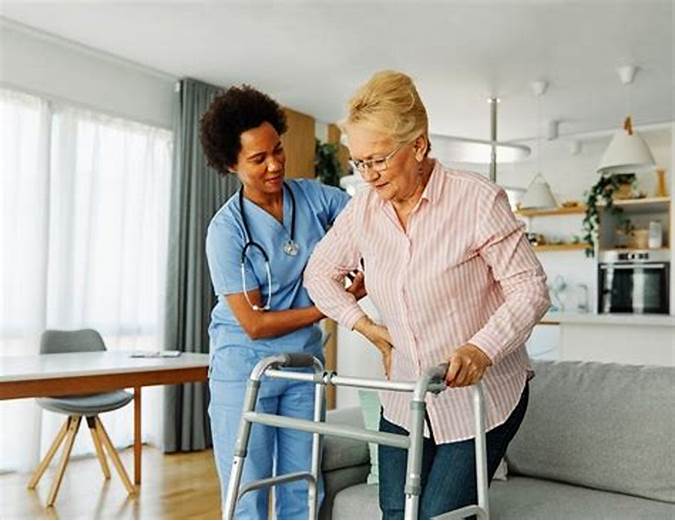
The Benefits of In-Home Care vs. Assisted Living for Seniors
As our loved ones age, deciding the best care option for them can be challenging. Among the many choices available, in-home care and assisted living stand out as two of the most popular. Each offers unique benefits suited to different needs and preferences. Understanding the advantages of each can help families make informed decisions.
In-Home Care
Comfort and Familiarity

One of the significant benefits of in-home care is that seniors can stay in the comfort of their own home. The familiarity of their surroundings provides a sense of security and continuity that is hard to replicate in any other setting.
Read Also How In-Home Senior Care Promotes Independence and Safety
Personalized Care

In-home care allows for highly personalized and one-on-one attention. Caregivers can tailor their support to meet the specific needs and preferences of the senior, ensuring a higher quality of care.
Independence and Autonomy
Staying at home allows seniors to maintain a level of independence and control over their daily routines. They can decide on their schedules, meals, and activities, fostering a sense of autonomy.
Close to Family
In-home care makes it easier for family members to stay involved in the daily lives of their loved ones. Frequent visits and participation in caregiving can strengthen family bonds and provide emotional support.
Cost-Effectiveness

Depending on the level of care needed, in-home care can be more cost-effective than assisted living. Families can hire caregivers for specific hours or tasks, managing expenses better than the often fixed costs of assisted living facilities.
Assisted Living
Social Interaction

Assisted living communities offer numerous opportunities for social interaction. Residents can participate in group activities, events, and outings, fostering friendships and reducing feelings of isolation and loneliness.
Comprehensive Care
Assisted living facilities provide a range of services, from housekeeping to medical care, all in one place. This comprehensive approach ensures that all the needs of residents are met, including emergency medical care if needed.
Structured Environment
Assisted living offers a structured environment that can be beneficial for seniors who thrive on routine. Scheduled meals, activities, and medical care help create a predictable and stable daily life.
Read Also Signs Your Aging Parent May Need Additional Support at Home
Safety and Security
These facilities are designed with the safety of residents in mind. Features like emergency call systems, secured premises, and professional staff available 24/7 ensure that residents are well-protected.
Reduced Family Burden
Choosing assisted living can alleviate the physical and emotional burden on family members who might otherwise be primary caregivers. Knowing that their loved ones are in a safe and supportive environment can bring peace of mind.
Conclusion
Both in-home care and assisted living have their distinct advantages. The best choice depends on the senior’s specific needs, preferences, and the family’s circumstances. By carefully considering the benefits of each, families can make informed decisions that best support the health, happiness, and well-being of their loved ones.
What aspects of senior care are most important to you? Are you leaning towards one option over the other? Leave us a comment below.