Aging is a beautiful journey, but it comes with its challenges. Many seniors wish to age gracefully in the comfort of their homes, surrounded by cherished memories and loved ones. In-home care has emerged as a solution that not only ensures safety but also significantly enhances the quality of life for older adults. Let’s dive into how this personalized care option is transforming lives.
What is In-Home Care?
In-home care involves providing assistance to seniors in their own homes, addressing their physical, emotional, and social needs. This support ranges from help with daily activities to specialized medical care, depending on the individual’s requirements.
Why Seniors Prefer Aging at Home
Imagine being in a familiar space where every corner tells a story. Aging at home gives seniors a sense of independence and dignity. It also spares them the emotional upheaval of relocating to a facility, keeping them connected to their community and loved ones.
How In-Home Care Enhances Quality of Life
Here’s a closer look at the ways in-home care makes life better for seniors:
1. Personalized Care Plans
No two seniors are the same. In-home care allows for tailored care plans that cater to individual needs, preferences, and routines. Whether it’s meal preparation or medication reminders, the care is as unique as the person.
2. Maintaining Independence
Loss of independence can be a tough pill to swallow. In-home care enables seniors to continue performing tasks they’re capable of, with a helping hand when needed. This fosters self-esteem and confidence.
3. Companionship and Social Interaction
Loneliness can be a silent killer. Caregivers provide not just physical support but also companionship. Whether it’s playing cards, sharing stories, or simply enjoying a cup of tea, these interactions are invaluable.
4. Safety and Fall Prevention
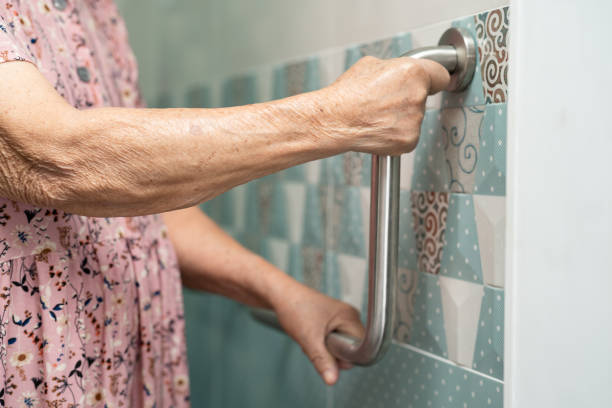
Did you know that falls are a leading cause of injuries among seniors? In-home care focuses on creating a safe environment, reducing risks, and providing immediate assistance if accidents occur.
5. Better Health Monitoring
Caregivers keep an eye on seniors’ health, noticing changes that might otherwise go unnoticed. Regular monitoring helps prevent minor issues from becoming major concerns.
6. Assistance with Daily Activities
From dressing to bathing, in-home care ensures seniors are well-groomed and comfortable. This boosts their self-esteem and promotes overall well-being.
7. Nutritious Meal Preparation
Good nutrition is crucial for seniors. Caregivers prepare balanced meals, accommodating dietary restrictions and preferences, ensuring seniors stay healthy and energized.
8. Support for Chronic Conditions
Managing chronic conditions like diabetes or arthritis can be overwhelming. In-home care provides assistance with medication, therapy, and lifestyle adjustments to improve health outcomes.
9. Reducing Hospital Readmissions
With consistent care at home, seniors are less likely to experience complications that lead to hospital readmissions. This saves time, money, and stress for everyone involved.
10. Comfort of Familiar Surroundings
Home is more than just a place—it’s a feeling. Staying at home provides emotional comfort, contributing to a positive outlook on life.
11. Encouraging Mental Stimulation
Engaging seniors in puzzles, reading, or other hobbies keeps their minds sharp and spirits high. Caregivers often introduce activities to keep boredom at bay.
12. Providing Respite for Family Caregivers
Caring for a loved one can be demanding. In-home care gives family caregivers a much-needed break, ensuring their own well-being while their loved one receives professional care.
13. Cost-Effective Compared to Assisted Living
In-home care can be a more affordable option than moving to an assisted living facility, especially for seniors who only need part-time assistance.
14. Tailored End-of-Life Care
For seniors in their final stages of life, in-home care ensures dignity and comfort. Caregivers focus on pain management, emotional support, and creating cherished moments with loved ones.
15. Strengthening Family Bonds
When seniors receive professional care at home, families can focus on spending quality time together rather than worrying about caregiving responsibilities.
The Role of Technology in In-Home Care
Technology has revolutionized in-home care. From wearable devices that track vitals to video call check-ins, tech innovations make caregiving more efficient and accessible. Smart home systems further enhance safety, offering peace of mind to families.
Choosing the Right In-Home Care Provider
Selecting a reliable in-home care provider is crucial. Here are a few tips:
- Research thoroughly: Check reviews and ask for recommendations.
- Ensure proper training: Verify caregiver qualifications and certifications.
- Evaluate compatibility: A good caregiver-senior relationship is vital.
- Understand the costs: Transparency in pricing helps avoid surprises.
Conclusion
In-home care is more than a service—it’s a lifeline for seniors aiming to live fulfilling lives in their golden years. It preserves their independence, ensures safety, and provides companionship, all while allowing them to stay in the comfort of their homes. As families navigate the challenges of aging, in-home care offers a compassionate and practical solution.
Call to Action
Have you or your loved ones experienced the benefits of in-home care? Share your thoughts in the comments below! Let’s start a conversation about aging with dignity and independence.
FAQs
1. What services does in-home care typically include?
In-home care covers assistance with daily activities, meal preparation, medication reminders, companionship, and sometimes medical care, depending on the provider.
2. How can in-home care improve a senior’s mental health?
By offering companionship, engaging activities, and a sense of independence, in-home care helps reduce loneliness and boosts mental well-being.
3. Is in-home care suitable for seniors with chronic illnesses?
Yes, in-home care can be tailored to manage chronic conditions through medication monitoring, therapy, and lifestyle support.
4. How do I know if my loved one needs in-home care?
Signs include difficulty with daily tasks, frequent falls, forgetfulness, and increased isolation. A professional assessment can provide clarity.
5. Can in-home care be combined with other healthcare services?
Absolutely! In-home care can work alongside services like physical therapy, nursing care, and hospice to ensure comprehensive support.