
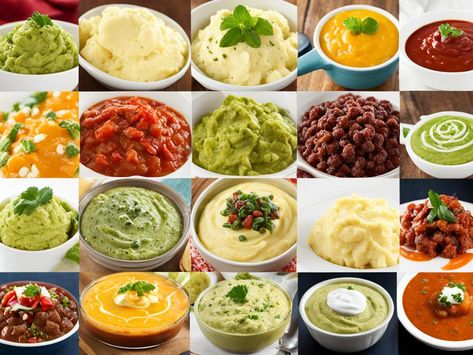
Let’s start with the question almost everyone types into Google at some point: What do you eat when it hurts to chew?
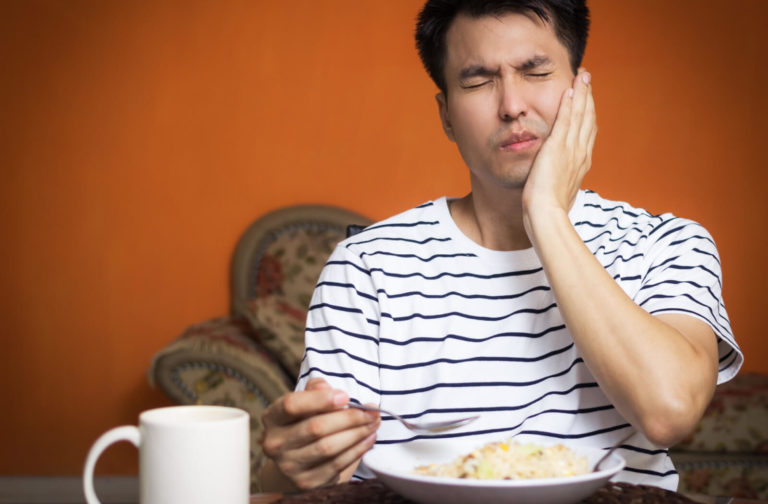
If you’ve ever had jaw pain, dental work, braces, wisdom teeth removal, oral surgery, or a medical condition that makes chewing painful, you already know the frustration. You’re hungry. You want real food. But everything crunchy, chewy, or crusty feels like an obstacle course for your mouth.
And then comes the worst part: the advice.
“Just eat soup.”
“Stick to mashed potatoes.”
“Try baby food.”
That’s where this guide takes a hard left.
Soft food doesn’t have to mean sad food. When chewing hurts, you can still eat meals that are flavorful, nourishing, visually appealing, and emotionally satisfying. You just need to rethink texture—not flavor—and borrow techniques from global cuisines that have been doing this well for centuries.
This article is your complete, practical guide to soft, appealing foods that don’t feel infantilizing, whether you’re on a short-term no-chew diet or navigating longer-term discomfort.
Understanding the Real Problem: It’s Texture, Not Taste
When chewing hurts, most people assume they have to give up flavor.
That’s backwards.
The real issue is mechanical texture—how much pressure, grinding, or jaw movement a food requires. Flavor lives in seasoning, aroma, fat, acid, and temperature. Those things are still fully available to you.
Once you separate texture from taste, everything changes.
You stop asking:
- “What can’t I eat?”
And start asking:
That mindset shift is the foundation of everything that follows.
What Is a Soft or No-Chew Diet, Really?
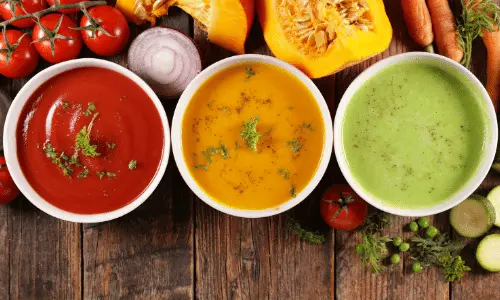
Search terms like no chew diet after jaw surgery or food you don’t have to chew to swallow often return overly restrictive lists.
In practice, soft diets exist on a spectrum:
- No-chew: Foods you can swallow with minimal jaw movement
- Very soft: Gentle mashing with tongue or gums
- Soft-chew: Light chewing without pain
Most people move along this spectrum as they heal.
The goal isn’t perfection.
The goal is comfort without malnutrition or boredom.
What to Eat When It Hurts to Chew (Without Losing Your Appetite)
Let’s get practical.
Soft Foods That Actually Feel Like Meals
Instead of thinking in categories like “purees” or “liquids,” think in formats:
1. Spoonable Savory Dishes
These are thick, rich, and satisfying.
- Creamy risotto (well-cooked rice, not al dente)
- Polenta with soft cheese
- Dal or lentil stew cooked until silky
- Savory oatmeal with eggs or tofu
These foods don’t require chewing, but they still feel substantial.
2. Fork-Soft Proteins
Protein is often the hardest part of a soft diet.
Look for proteins that:
- Flake
- Shred
- Dissolve easily
Examples:
- Slow-braised fish
- Pulled chicken in sauce
- Soft tofu
- Scrambled eggs
- Well-cooked lentils or split peas
Protein doesn’t need teeth. It needs moisture.
How to Make Soft Foods More Appealing (This Is the Game Changer)
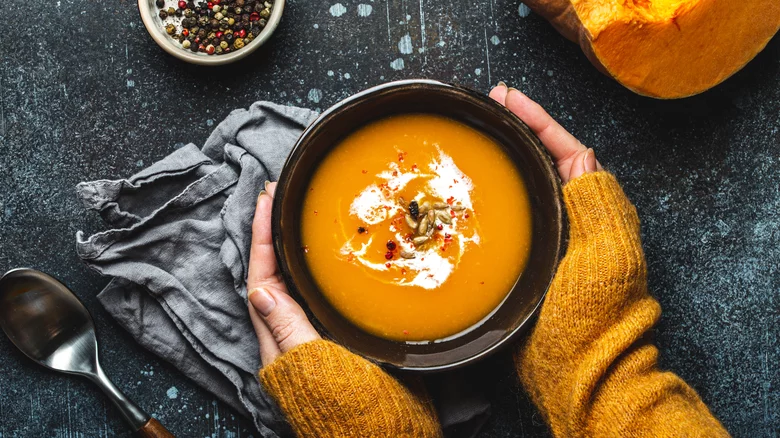
Here’s where most soft-food guides fail: they ignore pleasure.
In my experience helping people adapt their diets during recovery periods, the biggest predictor of success isn’t willpower—it’s whether the food still feels emotionally rewarding.
The “Three Levers” of Appealing Soft Food
When texture is limited, you amplify everything else.
1. Flavor Contrast
Use:
- Acid (lemon, vinegar, yogurt)
- Umami (miso, parmesan, mushrooms)
- Herbs and spices
A soft food with layered flavor feels intentional, not medicinal.
2. Temperature Contrast
Hot + cool creates interest without chewing.
Think:
- Warm soup with cool yogurt
- Hot porridge with chilled fruit compote
Your mouth still gets sensory variety.
3. Visual Appeal
We eat with our eyes first—even during recovery.
Use:
- Colorful garnishes
- Swirls of sauce
- Bowls instead of mugs
Presentation tells your brain: this is real food.
Soft Foods Across Global Cuisines (A Hidden Treasure)
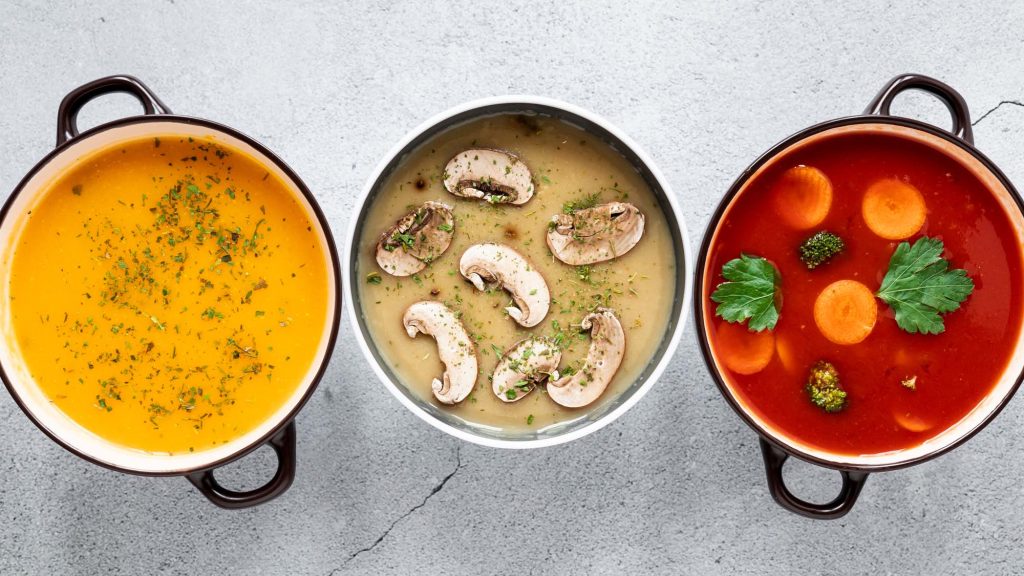
One contrarian observation: Western soft-diet advice is unusually bland.
Many global cuisines already emphasize soft textures without sacrificing sophistication.
Examples Worth Stealing
- Japanese: Chawanmushi (savory egg custard), silken tofu dishes
- Indian: Khichdi, dal, yogurt-based meals
- Middle Eastern: Hummus, baba ghanoush, lentil soups
- Italian: Polenta, soft gnocchi, well-cooked risotto
These aren’t “recovery foods.”
They’re cultural staples—just naturally gentle.
Soft Food Recipes After Surgery That Don’t Feel Like Punishment
When people search soft food recipes after surgery, what they’re really asking is:
“How do I get through this without hating food?”
Here’s a framework that works.
Build Meals Using This Formula
- Base: soft grain, legume, or vegetable
- Protein: blended, shredded, or custard-like
- Fat: olive oil, butter, cream, tahini
- Acid: citrus, vinegar, yogurt
You’re composing, not restricting.
Snacks When Chewing Hurts (Because Hunger Still Happens)
Snacks matter more than ever when eating is tiring.
Best Soft Snacks for Sensitive Teeth
- Greek yogurt with honey
- Cottage cheese blended smooth
- Soft protein bars designed for easy chewing
- Puddings made with real ingredients
- Smooth nut butters
If chewing is painful, calorie density matters. You don’t want to eat six times a day just to meet your needs.
Soft and Appealing Vegan Options (Yes, Plenty Exist)
Plant-based eaters often worry about protein during soft diets.
Good news: many vegan staples are already soft.
Examples:
- Lentil soups and dals
- Silken tofu with sauces
- Mashed beans with olive oil
- Chia pudding
- Blended vegetable stews
Texture is adjustable. Nutrition is not optional.
Easy-to-Order Soft Foods (When You Can’t Cook)
There will be days you don’t want to cook. That’s normal.
Look for:
- Ready-made soups (not just broth)
- Meal delivery with soft options
- Vegan or dairy-based protein shakes
- Soft protein bars for on-the-go nutrition
Convenience is part of healing.
The 20 Chew Rule—and When to Ignore It
You might stumble across the question: What is the 20 chew rule?
It’s a general digestive guideline suggesting each bite be chewed around 20 times.
Here’s the nuance:
It’s not a rule for people in pain.
When chewing hurts:
- Over-chewing can worsen inflammation
- Stress can slow digestion more than fewer chews
Soft foods are pre-digested by design. Let them do the work.
Long-Term Effects of Not Chewing Food Properly (And How to Protect Yourself)
Another common worry: What happens if I don’t chew much for a long time?
Short-term soft diets are generally safe. Long-term, you want to:
- Maintain protein intake
- Include fiber in gentle forms
- Resume chewing gradually when possible
The solution isn’t forcing hard foods.
It’s choosing smart soft ones.
A Personal Insight: Soft Food as Emotional Care
Here’s the part few articles talk about.
When chewing hurts, eating becomes stressful. Stress suppresses appetite. Appetite loss slows recovery. It’s a quiet feedback loop.
The most effective soft diets I’ve seen—whether during recovery, illness, or dental treatment—treat food as emotional care, not just fuel.
When a meal feels comforting, familiar, or even beautiful, the body relaxes. Healing speeds up. Food stops feeling like a chore.
That’s not indulgence.
That’s physiology.
Putting It All Together: Soft Food Without the Sadness
Let’s zoom out.
When chewing hurts, you don’t need:
- Baby food
- Flavorless mush
- Endless protein shakes
You need:
- Thoughtful textures
- Bold, layered flavors
- Foods that feel adult, intentional, and satisfying
Soft food isn’t a downgrade.
It’s a temporary adaptation—and it can still be delicious.
FAQs
FAQ 1: What soft foods can you eat when you can’t chew at all?
Soups with body, yogurt, smoothies, custards, mashed legumes, scrambled eggs, and well-cooked grains are ideal no-chew options.
FAQ 2: How can I get enough protein on a soft or no-chew diet?
Focus on eggs, dairy, tofu, lentils, blended beans, protein shakes, and soft protein bars designed for easy eating.
FAQ 3: Are there soft foods you can swallow without chewing?
Yes—smooth soups, yogurt, puddings, smoothies, and custard-style dishes can often be swallowed with minimal jaw movement.
FAQ 4: How long should you stay on a no-chew diet after surgery?
That depends on your procedure and provider. Always follow medical guidance, and reintroduce chewing gradually.
FAQ 5: Can soft food still be nutritious long-term?
Yes, if it includes adequate protein, healthy fats, fiber in gentle forms, and enough calories.
I appreciate Lively Staffing and Home care for all the professional care provided for my mother. Helped my mother to feel safe and well cared. Would recommend Lively Staffing to my community